Wishlist Coș de cumpărături Cart
Comandă tipăritul Comandă tipăritulCumpără imaginea Cumpără imaginea TrimiteTrimite
Detalii despre lucrareDetalii despre lucrare Adaugă la favorite Adaugă la favorite DescarcăDescarcă SimilareSimilare RadiografieRadiografie DiaporamaDiaporama

Painting 1946

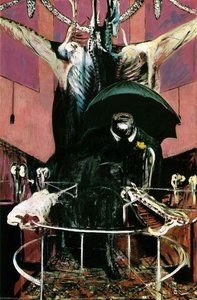
"Painting 1946" de Francis Bacon: O capodopera surrealistă expresionistă cu simboluri puternice și teme legate de război și existență. Explorează atmosfera întunecată și tehnica impresionantă a pictorului irlandez."

Challenging Conventions</h2> Francis Bacon&rsquo;s impact on 20th-century art is undeniable. He challenged traditional notions of representation

Reproducere manuală în ulei

Pictură în ulei pe pânză, pictată manual, la dimensiunea și ramele dorite de dumneavoastră, realizată la comandă de artiștii noștri.


P118B $10
P118H $10
P118W $10
P438Z $10
P508JH $12
P508YH $12
P805H $10
P805Z $10
P919BZ $10
P919G $10
P919XJ $10
P959ZH $10
P968JZ $12
W106C $8
W218G $10
W218JH $8
W218Y $10
W307PJ $10
W316G $10
W316PJ $8
W316Y $10
W398PJ $8
W4111J $10
W500HY $15
W500JH $15
W692G $12
W849H $8
W940BG $15
W953PJ $8

Standard
custom
CM
INCH

Alegeți dintre dimensiunile noastre prestabilite, care respectă proporțiile originale ale operei de artă.

lățime
înălțime

Puteți introduce propriile dimensiuni pentru a se potrivi unui anumit cadru sau spațiu. Dacă dimensiunea selectată nu corespunde proporțiilor imaginii originale, vom decupa opera de artă sau vom extinde pictura cu elemente suplimentare pictate manual. O simulare digitală vă va fi trimisă pentru aprobare înainte de începerea producției.
Vă rugăm să rețineți că previzualizarea de pe ecran nu reflectă decuparea sau extinderea reală. Doar macheta va arăta cu exactitate compoziția finală.
Deși sunt disponibile dimensiuni personalizate, vă recomandăm să selectați o dimensiune din lista predefinită pentru a păstra proporțiile originale.

Exemple de elemente ce pot fi modificate: Înlocuiți fața cu fotografia clientului; Adăugați un animal de companie (de exemplu, înlocuiți pisica cu un câine); Includeți un mesaj ascuns în fundal; Schimbați peisajul sau elementele din fundal.
După plasarea comenzii, echipa Most-Famous-Paintings.com va trimite clientului instrucțiuni prin e-mail și îi va furniza o previzualizare a machetei

Livrare în întreaga lume () în 3/4 săptămâni, în loc de cele 5 săptămâni standard. (18 Iulie). Fără compromisuri în ceea ce privește calitatea.

why_choose_icon
Livrare expres gratuită la nivel mondial
why_choose_icon
Pânză de in de înaltă calitate
why_choose_icon
Asigurare completă pentru transport
why_choose_icon
Garanție de rambursare a taxelor vamale
why_choose_icon
Garanția fidelității culorilor
why_choose_icon
Politica de retur de 60 de zile (doar pentru defecte)
why_choose_icon
Garanție 100% de rambursare
why_choose_icon
Reducere la comenzi multiple

Preț total

-

reproduction

Painting 1946

Tehnică de reproducere

Dimensiune reproducere

-

Preț total calculat

-

Informații rapide

  • style: Expressionist, Surreal
  • subject: reinterpretation of crucifixion, themes of suffering and societal critique
  • medium: oil on linen
  • year: 1946
  • title: painting, 1946
  • notable_elements: crucifixion scene, surreal imagery, bold brushwork, symbolic motifs

Test de cunoștințe despre artă

Fiecare întrebare are un singur răspuns corect.

Întrebare 1:
Who is the artist of the painting titled 'painting, 1946'?
Întrebare 2:
What is the primary style of 'painting, 1946'?
Întrebare 3:
Which theme is prominently depicted in 'painting, 1946'?
Întrebare 4:
What technique characterizes Bacon's 'painting, 1946'?
Întrebare 5:
Which symbolic element is present in 'painting, 1946'?

Descriere operă de artă

Francis Bacon: A Vision of Darkness and Decay

Francis Bacon’s “Painting 1946” stands as an arresting testament to the anxieties of postwar Britain, rendered in a style that defies easy categorization yet resonates powerfully with the broader currents of Expressionism and Surrealism. Completed in 1946, shortly after the devastation wrought by World War II, this monumental canvas confronts viewers with a disturbing tableau—a solitary figure seated beneath an umbrella amidst a lavishly decorated room populated by unsettling juxtapositions of organic and inorganic forms.

  • Subject Matter: The painting depicts an anonymous man, rendered in meticulous detail, positioned centrally within a richly ornamented interior. Alongside him are bizarre creatures—a giraffe, a snake, and various other fantastical animals—creating a scene that feels simultaneously familiar and profoundly alienating.
  • Style & Technique: Bacon’s masterful brushwork characterizes the artwork with thick impasto layering and visible strokes, conveying an intense emotional energy. The artist employs bold gestures to capture the essence of his subject matter, prioritizing expressive force over realistic representation.
  • Color Palette: Dominated by deep reds, purples, and blacks accented with touches of yellow and red, the color scheme amplifies the dramatic tension inherent in the composition. These hues contribute to a mood of unease and mystery, mirroring the psychological complexities explored within the artwork.
  • Historical Context & Artistic Significance: Created in 1946, *Painting* reflects the anxieties and uncertainties of the postwar era—a period marked by societal upheaval and existential questioning. Bacon’s work stands as a testament to the expressive power of Surrealism and Expressionism, challenging conventional artistic norms while delving into profound themes of human experience.
  • Symbolism & Emotional Impact: The artwork's central figure embodies both vulnerability and defiance—a poignant juxtaposition that speaks to the enduring struggle for meaning amidst chaos. The umbrella serves as a visual metaphor for protection yet simultaneously conceals, hinting at hidden truths and anxieties. The giraffe’s presence introduces an element of incongruity, disrupting the viewer’s expectations and prompting contemplation on the nature of reality itself.
  • Technique & Material Considerations: Executed with vigorous brushwork and impasto layering—a hallmark of Bacon's distinctive style—the painting utilizes oil paints on canvas to achieve a textured surface that amplifies emotional resonance. The artist’s deliberate manipulation of color and light contributes to the artwork’s dramatic intensity, creating shadows that deepen the sense of mystery and conveying profound psychological depth.
  • Historical Context & Artistic Significance: Created in 1946, *Painting 1946* emerges from the immediate aftermath of World War II—a period marked by societal upheaval and existential questioning—reflecting the broader artistic currents of Expressionism and Surrealism. Bacon’s bold approach aligns with the era's preoccupation with confronting uncomfortable truths and exploring the darker recesses of human consciousness, establishing him as a pivotal figure in 20th-century art history.
  • Symbolism & Emotional Impact: The artwork’s central motif—a man seated beneath an umbrella—represents protection against external forces yet simultaneously embodies confinement and vulnerability. Accompanying figures—including a giraffe, snake, and various fantastical creatures—serve as symbols of distorted reality and societal critique, prompting viewers to contemplate themes of alienation and decay. Bacon's masterful use of color and texture evokes feelings of unease and anxiety, capturing the psychological turmoil inherent in human experience.
  • Technique & Style: Executed with vigorous, expressive brushwork—a hallmark of Expressionism—the painting utilizes thick impasto layering to amplify emotional impact. Bold gestural strokes dominate the canvas surface, creating a textured texture that mirrors the artist’s inner state. The limited color palette—muted pinks, blacks, whites, and dark greens accented with touches of yellow and red—heightens dramatic tension and underscores the artwork's unsettling atmosphere.
  • Historical Context & Legacy: Created in 1946, *Painting 1946* emerges from the immediate aftermath of World War II, a period marked by profound societal upheaval and existential questioning. Bacon’s artistic vision reflects this turbulent era, blending modernist dystopian themes with classical religious motifs—a deliberate juxtaposition that challenges conventional perceptions of beauty and morality. The artwork's influence extends beyond its time, inspiring artists like Damien Hirst to explore similar visual languages and conceptual frameworks. Its enduring power resides in its ability to provoke contemplation on the human condition and confront viewers with uncomfortable truths about mortality and suffering.
  • Detailed Analysis: Bacon’s masterful use of chiaroscuro—the dramatic interplay between light and shadow—intensifies the painting's emotional resonance, casting deep recesses that amplify the sense of unease and isolation. The artist employs thick impasto layering to create a textured surface that conveys palpable physicality and visceral energy. Recurring motifs such as grotesque figures and decaying organic matter serve as potent symbols of decay, vulnerability, and the inescapable grip of death—themes central to Bacon’s philosophical explorations.
  • Historical Context: Painted in 1946, *Painting* emerges from the immediate aftermath of World War II, a time when anxieties about nuclear annihilation and the fragility of human existence permeated Western culture. Bacon's preoccupation with mortality reflects the broader intellectual climate of his era, marked by existentialist thinkers grappling with questions of meaninglessness and responsibility. The painting’s stylistic influences can be traced back to Expressionism and Surrealism, movements that sought to liberate art from representational conventions and explore the subconscious mind.
  • Symbolism: The umbrella held aloft by the central figure is a multifaceted symbol—protection against an unseen threat, concealment of inner turmoil, and perhaps a reference to Neville Chamberlain’s futile attempt to avert war. The giraffe, positioned prominently in the composition, embodies grandeur and aspiration yet simultaneously underscores the absurdity of human ambition against the vastness of existence. The snake represents deception and danger, mirroring the anxieties surrounding political instability during the period.
  • Technique: Bacon employed a bold expressionistic brushwork characterized by thick impasto layering—a technique that amplifies textural richness and emotional intensity. His palette consisted primarily of muted pinks, blacks, whites, and dark greens accented with touches of yellow and red—colors deliberately chosen to heighten dramatic tension and convey feelings of unease. The artist’s meticulous attention to detail is evident in the rendering of anatomical features and drapery folds, despite the overall distortion of perspective and spatial relationships.
  • Historical Context: “Painting 1946” emerged from the immediate aftermath of World War II—a period marked by profound societal upheaval and existential questioning. Bacon’s artistic vision reflects this turbulent era, blending dystopian themes with classical religious motifs. The artwork serves as a poignant commentary on human suffering, societal decay, and the relentless pursuit of meaning amidst chaos—themes that resonated deeply with audiences grappling with the trauma of war and the anxieties surrounding nuclear annihilation.
  • Symbolism: The umbrella held aloft by Bacon’s central figure is interpreted as representing protection or concealment—a visual allusion to Neville Chamberlain's stance on appeasement during the lead-up to World War II, a gesture intended to deflect scrutiny and shield oneself from unwelcome truths. The giraffe, snake, and other fantastical creatures interwoven into the composition symbolize distorted reality—a deliberate departure from traditional artistic conventions that challenges viewers to confront unsettling psychological landscapes.
  • Emotional Impact: Executed with vigorous, expressive brushwork and impasto techniques, “Painting 1946” embodies the raw intensity of Expressionism—a movement characterized by its unflinching portrayal of human emotion and experience. The artist’s bold color palette—muted pinks, blacks, whites, and dark greens accented with touches of yellow and red—amplifies the artwork's dramatic tension and conveys a palpable sense of unease. The monumental scale of the canvas contributes to an immersive visual experience that compels contemplation and invites reflection on themes of alienation and existential dread.
  • A Visionary Fragment: Exploring Francis Bacon’s “Painting 1946"

    The artwork, titled “Painting 1946,” stands as a haunting testament to the anxieties of postwar Britain—a period scarred by trauma and grappling with profound philosophical questions. Created in 1946 by the enigmatic Francis Bacon (1561-1626), this monumental oil painting transcends mere representation; it plunges into the depths of psychological turmoil, presenting a fragmented landscape populated by unsettling figures that embody both vulnerability and menace. Its genesis lies in the immediate aftermath of World War II, mirroring the pervasive sense of disillusionment and uncertainty that gripped Europe’s intellectual elite. Bacon himself was profoundly affected by the devastation wrought upon humanity, channeling these emotions into his artistic endeavors—a process evident in every brushstroke and hue.

    Subject Matter and Composition

    • The painting depicts a desolate expanse dominated by towering trees and shadowy undergrowth – a stark contrast to the lush gardens of Bacon’s time. However, its true focus resides in two central figures: a man seated beneath an umbrella and a giraffe—a juxtaposition that immediately disrupts conventional visual harmony. The giraffe's presence introduces an element of incongruity, symbolizing disorientation and perhaps hinting at the artist’s preoccupation with themes of absurdity and irrationality.
    • The composition is vertically oriented, emphasizing height and grandeur while

Biografie artist

O Viață Scufundată în Visceral

Francis Bacon, un nume sinonim cu emoționalitatea cea mai brută din arta secolului al XX-lea, s-a născut la Dublin, Irlanda, în 1909. Spiritul său artistic și-a găsit însă adevărata expresie în peisajul turbulent al Marii Britanii de după război. Copilăria sa a fost departe de stabilitate; mutările frecvente din cauza sănătății fragile a mamei sale i-au insuflat un sentiment de dezrădăcinare care i-a modelat profund viziunea asupra lumii și, în cele din urmă, pânzele sale. O relație complexă cu tatăl său sever și o legătură strânsă cu guvernanta sa, Jessie Lightfoot, au colorat suplimentar terenul emoțional al anilor formativi. Atrăs inițial de cursele de cai și o viață a jocurilor de noroc, Bacon a rătăcit prin diverse ocupații înainte de a se dedica în cele din urmă picturii la sfârșitul vârstei de douăzeci de ani – un început întârziat care poate a intensificat urgența și intensitatea lucrărilor sale ulterioare. Nu a fost instruit formal, ci și-a croit propria cale, absorbind influențe diverse și dezvoltând un limbaj vizual unic, tulburător.

Căldura Influențelor Timpurii

Trezirea artistică a lui Bacon nu a fost imediată, ci mai degrabă o acumulare graduală de impresii. Lucrările lui Pablo Picasso, în special figurile distorsionate din perioada sa cubistă timpurie, s-au dovedit esențiale pentru eliberarea sa de reprezentarea tradițională. A găsit inspirație suplimentară în fotografia tulburătoare a lui Egon Schiele, ale cărui distorsiuni expresive ale formei umane au rezonat cu fascinația sa emergentă pentru fragilitatea și vulnerabilitatea existenței. Cu toate acestea, o întâlnire întâmplătoare cu filmul *Battleship Potemkin* al lui Sergei Eisenstein a oferit un catalizator crucial. Imagistica viscerală a filmului, în special un prim-plan cu o față strigând, a devenit un motiv persistent în opera lui Bacon, reprezentând teroarea primordială și profunzimea suferinței umane. A admirat profund și pe Maeștrii Vechi, în special pe Diego Velázquez, al cărui *Portretul Papei Innocent X* l-a reinterpretat faimos de-a lungul carierei sale, transformând figura papală autoritară într-un spectru chinuit. Aceste influențe nu au fost simple apropieri stilistice; au fost absorbite și transmutate prin sensibilitatea sa unică, rezultând o viziune artistică care era atât profund personală, cât și universal rezonantă.

Forging a Signature Style: Distortion and Isolation

Punctul de cotitură al lui Bacon a venit cu *Trei Studii pentru Figuri la Baza unei Crucificări* (1944), o lucrare care a șocat și captivat publicul din Londra postbelică. Acest triptic a stabilit stilul său semnătură – figuri distorsionate, fragmentate, izolate în spații claustrofobice. Acestea nu au fost reprezentări ale martiriului religios, ci explorări viscerale ale agoniei umane, lipsite de orice narațiune reconfortantă sau mângâiere spirituală. Picturile sale prezintă adesea forme încețoșate sau dizolvabile, transmițând un sentiment de turbulență psihologică și vulnerabilitate fizică. Folosea frecvent structuri geometrice – cuști, cutii – pentru a închide subiecții săi, subliniind izolarea și neputința lor. Paleta lui Bacon era de obicei estompată și sumbră, reflectând temele întunecate pe care le explora, dar punctată de izbucniri de culoare intensă care accentuau impactul emoțional. Utilizarea acestor cuști nu a fost doar un dispozitiv compozițional; a simbolizat limitările inerente și constrângerile impuse existenței umane. A căutat să capteze nu doar *cum* arată lucrurile, ci *cum se simt*, transmițând stări interioare de anxietate, frică și disperare pe pânză cu o onestitate brutală.

Teme ale Mortalității, Agoniei și a Condiției Umane

De-a lungul carierei sale prolifice, Bacon s-a întors în mod repetat la anumite motive: crucificarea ca simbol al suferinței; portrete care au explorat intensitatea psihologică a subiecților săi, adesea prieteni și iubiți precum George Dyer; și autoportrete care au servit drept explorări introspective ale identității și mortalității. Seria sa *Studiu După Portretul Papei Innocent X al lui Velázquez* (1953) este poate una dintre cele mai iconice realizări ale sale, transformând portretul demn al lui Velázquez într-o apariție strigătoare, întruchipând teroarea existențială. Portretele lui George Dyer, iubitul său volatil, sunt deosebit de emoționante, capturând atât intensitatea conexiunii lor, cât și umbra iminentă a tragediei. Opera lui Bacon nu era despre portretizarea unor indivizi specifici; era vorba despre explorarea temelor universale ale vulnerabilității umane, izolării și inevitabilitatea morții. Nu s-a ferit de aspectele mai întunecate ale existenței, ci le-a confruntat direct, obligând spectatorii să se confrunte cu propria lor mortalitate și anxietăți.

Un Moștenire Durabilă: Contestarea Convențiilor

Impactul lui Francis Bacon asupra artei din secolul al XX-lea este incontestabil. A contestat noțiunile tradiționale de reprezentare, respingând frumusețea idealizată în favoarea unei portretizări crude și neînduplecate a condiției umane. Opera sa i-a influențat profund generații de artiști, deschizând calea pentru noi forme de expresie și contestând granițele convenționale ale artei.
  • Expresionismul Postbelic: Bacon este considerat o figură cheie în această mișcare, influențând artiștii cu stilul său îndrăzneț și profunzimea psihologică.
  • Recorduri de Licitație & Expoziții Muzeale: Picturile sale continuă să obțină prețuri mari la licitație și sunt expuse în muzee importante din întreaga lume, consolidându-și locul în istoria artei.
  • Confruntarea Adevărurilor: Moștenirea lui Bacon constă în capacitatea sa de a confrunta adevăruri inconfortabile despre existența umană și de a traduce acele experiențe în imagini puternice și memorabile.
În ciuda unei vieți personale tulburate, marcată de jocuri de noroc, băutură și relații complexe, el a rămas dedicat artei sale până la moartea sa în 1992. A lăsat în urmă o operă care continuă să rezoneze cu publicul de astăzi, amintindu-ne de fragilitatea existenței și puterea durabilă a artei de a confrunta cele mai întunecate colțuri ale sufletului uman. Picturile sale nu sunt doar imagini; ele sunt experiențe viscerale – o mărturie a puterii durabile a artei de a provoca, deranja și, în cele din urmă, lumina complexitățile ființei umane.
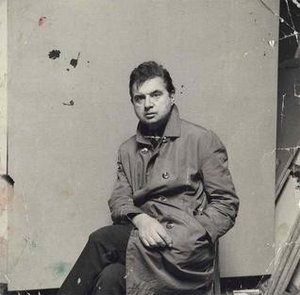
Francis Bacon

Francis Bacon

1909 - 1992 , Irlanda

Detalii rapide

  • Artiști Care L-Au Influențat:
    • Picasso
    • Schiele
  • Artiști/Curente Influențate: ['Expresionism postbelic']
  • Curent Artistic: Expresionism
  • Data Decesului: 28 aprilie 1992
  • Data Nașterii: 28 octombrie 1909
  • Locul Nașterii: Dublin, Irlanda
  • Naționalitate: Irlandez-Britanic
  • Nume Complet: Francis Bacon
  • Opere Notabile:
    • Crucifixiune...
    • Seria Popei
    • Portret Dyer
Explorați opere de artă organizate pe teme, stiluri și caracteristici.