Vinde opere de artă
Lista de dorințe Coș de cumpărături Cart
PrevizualizarePrevizualizare Previzualizare ARPrevizualizare AR Comandă printul Comandă printulCumpără imaginea Cumpără imaginea TrimiteTrimite
Detalii despre lucrareDetalii despre lucrare Adaugă la favorite Adaugă la favorite DescarcăDescarcă Produse similareProduse similare RadiografieRadiografie Diapozitive automateDiapozitive automate

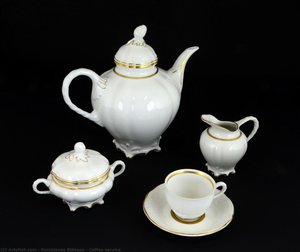
Chocolate Maker

Admire 'Chocolate Maker' by Fürstenberg Porcelain Company (1920). A stunning black & white reproduction of this exquisite Meissen piece. Elevate your art collection today!

Fürstenberg Porcelain Company is renowned for its exquisite Rococo and Neoclassical porcelain creations, including iconic tablewares and figurines; discover the timeless elegance of their artistry.

Reproducere pictată manual în ulei

Pictură în ulei pe pânză, realizată manual de artiștii noștri la dimensiunea și ramele dorite de dumneavoastră, pe comandă. (Comandă printul Comandă printulCumpără imaginea Cumpără imaginea)

P118B $10
P118H $10
P118W $10
P438Z $10
P508JH $12
P508YH $12
P805H $10
P805Z $10
P919BZ $10
P919G $10
P919XJ $10
P959ZH $10
P968JZ $12
W106C $8
W218G $10
W218JH $8
W218Y $10
W307PJ $10
W316G $10
W316PJ $8
W316Y $10
W398PJ $8
W4111J $10
W500HY $15
W500JH $15
W692G $12
W849H $8
W940BG $15
W953PJ $8

Standard
custom
CM
INCH

Alegeți dintre dimensiunile noastre prestabilite, care respectă proporțiile originale ale operei de artă.

lățime
înălțime

Puteți introduce propriile dimensiuni pentru a se potrivi unui anumit cadru sau spațiu. Dacă dimensiunea selectată nu corespunde proporțiilor imaginii originale, vom decupa opera de artă sau vom extinde pictura cu elemente suplimentare pictate manual. O simulare digitală vă va fi trimisă pentru aprobare înainte de începerea producției.
Vă rugăm să rețineți că previzualizarea de pe ecran nu reflectă decuparea sau extinderea reală. Doar macheta va arăta cu exactitate compoziția finală.
Deși sunt disponibile dimensiuni personalizate, vă recomandăm să selectați o dimensiune din lista predefinită pentru a păstra proporțiile originale.

Exemple de elemente ce pot fi personalizate: Înlocuiți fața cu fotografia clientului; Adăugați un animal de companie (de exemplu, înlocuiți pisica cu un câine); Includeți un mesaj ascuns în fundal; Schimbați peisajul sau elementele din fundal.
După plasarea comenzii, echipa Most-Famous-Paintings.com va contacta clientul prin e-mail pentru instrucțiuni și îi va furniza o previzualizare a machetei

Livrare în întreaga lume () în 3-4 săptămâni, în loc de cele 5 săptămâni standard. (20 August). Fără compromisuri în ceea ce privește calitatea.

why_choose_icon
Livrare expres gratuită la nivel mondial
why_choose_icon
Pânză de in de înaltă calitate
why_choose_icon
Asigurare completă pentru transport
why_choose_icon
Garanție de rambursare a taxelor vamale
why_choose_icon
Garanția fidelității culorilor
why_choose_icon
Politica de retur în 60 de zile (doar pentru defecte)
why_choose_icon
Garanție de rambursare 100%
why_choose_icon
Ofertă pentru comenzi multiple

Preț total

$ 272

reproduction

Chocolate Maker

Tehnică de reproducere

Dimensiune reproducere

-

Preț total calculat

$ 272


Biografie artist

The Enduring Legacy of Fürstenberg Porcelain

Fürstenberg Porcelain, a name synonymous with German artistry and refined elegance, boasts a history deeply interwoven with the ambitions of royalty and the pursuit of porcelain perfection. Founded in 1747 by Duke Carl I of Brunswick-Wolfenbüttel, the manufactory wasn’t merely intended as a source of luxury goods; it was conceived as a statement – a demonstration of the duchy's cultural prowess and economic independence. The Duke, captivated by the delicate beauty of porcelain emanating from Meissen, sought to replicate its success within his own domain. He understood that mastering this complex craft would not only elevate Brunswick-Wolfenbüttel’s status but also provide a valuable source of revenue. The initial years were fraught with challenges, as the secrets of hard-paste porcelain remained closely guarded by their Saxon rivals. However, through diligent experimentation and the recruitment of skilled artisans – notably from Meissen itself – Fürstenberg steadily began to unlock the mysteries of its creation. The early production focused on imitating existing models, but quickly evolved into a distinctive style characterized by rococo flourishes, intricate gilding, and a palette favoring soft blues, greens, and pinks.

Early Innovations and Rococo Splendor

The first decades of Fürstenberg’s existence were marked by an intense focus on technical innovation. Johann Gottlieb Kirchner, the factory's early director, played a pivotal role in establishing the manufactory’s reputation for quality. He successfully developed a unique porcelain paste using local materials, allowing Fürstenberg to move beyond simple imitation and forge its own path. This period saw the creation of exquisite tablewares – plates, cups, saucers, and elaborate serving pieces – adorned with scenes inspired by mythology, pastoral life, and the fashionable rococo aesthetic. The factory’s artisans excelled in producing finely painted figures, often depicting allegorical subjects or charming genre scenes. A hallmark of Fürstenberg porcelain from this era is its exceptional detail; delicate facial expressions, flowing draperies, and meticulously rendered foliage all speak to the skill and artistry of the craftsmen involved. The courtly demand for these pieces fueled production, establishing a clientele that extended beyond Brunswick-Wolfenbüttel to other European courts. The factory also pioneered innovative forms, such as the *Zwischenring* – an intermediate ring used in the firing process to create exceptionally thin-walled porcelain vessels.

Neoclassical Refinement and Royal Patronage

As tastes shifted towards Neoclassicism in the late 18th century, Fürstenberg adapted with remarkable grace. The rococo’s exuberant curves gave way to cleaner lines, symmetrical compositions, and motifs drawn from classical antiquity. The influence of artists like Johann Heinrich Wilhelm Tischbein, who served as court painter to Duke Ferdinand of Brunswick-Wolfenbüttel, is evident in the porcelain produced during this period. Figures became more stately and dignified, reflecting the ideals of reason and order that characterized the Neoclassical era. The factory continued to receive significant royal patronage, with commissions for elaborate dinner services, decorative vases, and ornamental sculptures. Duke Ferdinand, a keen art collector himself, actively encouraged experimentation and innovation within the manufactory. This led to the development of new techniques, such as *relief fond* – a method of creating raised designs on porcelain surfaces that added depth and texture to the pieces. The factory’s commitment to quality remained unwavering, ensuring that Fürstenberg porcelain continued to be highly sought after by discerning collectors throughout Europe.

The 19th Century: Artistic Diversification

The 19th century witnessed a period of artistic diversification at Fürstenberg. While continuing to produce traditional tablewares and figures, the factory also embraced new styles and techniques. The rise of Romanticism inspired a renewed interest in historical subjects and exotic motifs. Porcelain pieces from this era often depicted scenes from medieval legends, literary works, and distant lands. The factory’s artisans experimented with different glazes and colors, creating a wider range of aesthetic effects. A significant development was the introduction of *porcelain painting on biscuit* – a technique that allowed for greater detail and realism in figure decoration. The factory also began to produce architectural porcelain elements, such as panels and tiles, used in interior design projects. This expansion into new areas helped Fürstenberg maintain its relevance in a rapidly changing art world. The influence of the Art Nouveau movement can be seen in some later 19th-century pieces, with their flowing lines and organic forms.

Fürstenberg Today: A Continuing Tradition

Today, Fürstenberg Porcelain continues to thrive as one of Germany’s leading porcelain manufacturers. The factory remains committed to its tradition of handcraftsmanship, employing skilled artisans who carry on the techniques developed over centuries. While embracing modern design aesthetics, Fürstenberg also honors its rich heritage by producing reproductions of classic models and continuing to create pieces in traditional styles. The factory's current collection includes a wide range of products – from elegant tablewares and decorative objects to contemporary art pieces. Fürstenberg porcelain is still highly prized by collectors worldwide, not only for its beauty and craftsmanship but also for its historical significance. The factory’s enduring legacy is a testament to the vision of Duke Carl I, who recognized the power of art to elevate culture and enhance prestige. The meticulous attention to detail, the exquisite painting, and the innovative techniques employed by Fürstenberg artisans continue to set it apart as a true masterpiece of German porcelain.

Detalii rapide

  • Artistic Movement Or Style: Porcelain Manufacturing
  • Date Of Death: Living
  • Full Name: Fürstenberg Porcelain Company