x


 Comandă tipăritul Cumpără imaginea
 Trimite
 Detalii despre lucrare
 Adaugă la favorite
 Descarcă
 Similare
 Radiografie
 Diaporama
 Oil On CanvasWallArtRococo
 1760
1760 108.0 x 92.0 cm
 The Hepworth Wakefield
Pictură în ulei pe pânză, pictată manual, la dimensiunea și ramele dorite de dumneavoastră, realizată la comandă de artiștii noștri.





























Alegeți dintre dimensiunile noastre prestabilite, care respectă proporțiile originale ale operei de artă.

Puteți introduce propriile dimensiuni pentru a se potrivi unui anumit cadru sau spațiu. Dacă dimensiunea selectată nu corespunde proporțiilor imaginii originale, vom decupa opera de artă sau vom extinde pictura cu elemente suplimentare pictate manual. O simulare digitală vă va fi trimisă pentru aprobare înainte de începerea producției.
Vă rugăm să rețineți că previzualizarea de pe ecran nu reflectă decuparea sau extinderea reală. Doar macheta va arăta cu exactitate compoziția finală.
Deși sunt disponibile dimensiuni personalizate, vă recomandăm să selectați o dimensiune din lista predefinită pentru a păstra proporțiile originale.
Livrare în întreaga lume () în 3/4 săptămâni, în loc de cele 5 săptămâni standard. (18 Iulie). Fără compromisuri în ceea ce privește calitatea.


Reverend Daniel Wilson
Dimensiune reproducere
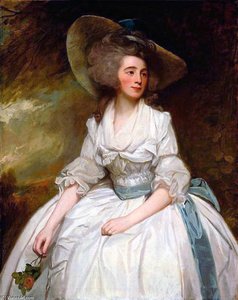
George Romney’s “Reverend Daniel Wilson,” painted in 1760, is more than just a likeness; it's a carefully constructed tableau of social standing, faith, and understated elegance. This portrait offers a rare glimpse into the life of a clergyman during the Georgian era, capturing not only his physical appearance but also the subtle nuances of his character and position within society. Romney’s masterful use of light, color, and composition elevates the scene beyond a simple depiction, transforming it into a compelling narrative that speaks volumes about its subject.
The painting immediately draws the eye to Reverend Wilson himself – a man of considerable presence despite an almost restrained demeanor. His attire, a rich teal-blue coat accented with subtle buttons and a crisp white waistcoat, speaks to his wealth and status. The careful arrangement of his hands—one resting gently on a stone pedestal, the other supporting his dog—suggests both authority and a quiet confidence. The dog, a Spaniel, is not merely an accessory; it’s a deliberate inclusion, often symbolizing loyalty, fidelity, and companionship – qualities highly valued in a respected figure of the community.
Romney's style firmly places “Reverend Daniel Wilson” within the Rococo movement. This artistic period, flourishing in Europe during the mid-18th century, prized elegance, grace, and a sense of playful sophistication. Romney expertly employs these principles here, creating a harmonious balance between light and shadow, formal structure and subtle detail. The background landscape, glimpsed through an arched doorway, adds depth and perspective to the scene, suggesting a connection to nature and perhaps even hinting at spiritual aspirations – a common theme in Rococo art.
The architectural elements—the imposing column and balustrade—are not merely decorative; they serve as visual anchors, reinforcing Wilson’s elevated social standing. The deliberate use of space around the figure creates a sense of formality and control, reflecting his role as a leader within his community. Even the muted color palette contributes to this overall effect – a restrained elegance that speaks volumes about the subject's character.
To fully appreciate “Reverend Daniel Wilson,” it’s essential to understand the social and religious context of 18th-century England. The Church of England held a significant position in society, and clergymen like Reverend Wilson played vital roles as spiritual guides, community leaders, and often, arbiters of morality. Portraits of this kind were frequently commissioned by wealthy patrons—in this case, likely someone connected to the clergyman’s congregation or family—as a way to commemorate their status and piety. Romney's painting serves as a testament to the importance placed on social standing and religious observance during that era.
Further research reveals that Daniel Wilson was a prominent figure in his community, and this portrait likely served as a lasting symbol of his influence. The inclusion of the dog adds a personal touch, suggesting a connection beyond mere formality – perhaps reflecting Wilson’s compassion or dedication to his flock. The painting offers a valuable window into the lives of those who shaped Georgian society.
“Reverend Daniel Wilson” is a captivating example of George Romney's skill as a portrait painter, showcasing his ability to capture both the outward appearance and inner character of his subjects. Reproductions of this work offer an accessible way to bring this elegant scene into your home or office. Consider framing it in a classic style that complements its Rococo aesthetic – perhaps a simple gold frame would enhance its timeless appeal.
Beyond its artistic merit, “Reverend Daniel Wilson” is a poignant reminder of the values and traditions that shaped Georgian Britain. It’s a piece that invites contemplation and offers a glimpse into a bygone era—a testament to the enduring power of portraiture to capture not just likeness but also the essence of human experience.


1734 - 1802 , Regatul Unit al Marii Britanii și Irlandei
Descoperă cele mai importante 25 de opere ale lui Georges Braque, pionier al cubismului! Explorează istoria, tehnicile și semnificația fiecărei picturi. Reproduceri artă de calitate muzeală pentru decorul tău pe Most-Famous-Paintings.com.
Descoperă cele mai frumoase 25 de picturi ale lui Georges Seurat! Explorează arta Pointillismului, culorile vibrante și stilul unic al acestui maestru impresionist. Reproduceri de calitate superioară pentru decor interior rafinat pe Most-Famous-Paintings.com.

Descoperă Top 10 portrete celebre din istoria artei! Explorează poveștile lui Van Gogh, Mona Lisa și alți maeștri. Reproduceri de calitate muzeală pentru decorul perfect. Inspiră-te acum pe Most-Famous-Paintings.com!

Explore the captivating world of vintage portrait art! Discover styles, techniques & the enduring appeal of 19th-century masterpieces. Expert restoration, custom reproductions & appraisal services at Most-Famous-Paintings.

Commission a timeless oil portrait from skilled artists at Most-Famous-Paintings. Preserve your family's legacy with museum-quality paintings, crafted to cherish for generations. Expert guidance & personalized service.


Rămâneți la curent cu cele mai recente știri din lumea artei, ofertele noastre exclusive și ideile de decor.
Spuneți-ne despre proiectul dumneavoastră, iar experții noștri în artă vă vor oferi 3 sugestii personalizate.
Vom selecta 3 opțiuni special pentru tine – Gratuit!


 Distribuie

 Vezi mai mult







 Opțiunea cu sticlă este disponibilă doar pentru dimensiuni de sub 110 cm