x

Printuri giclée sau pe canvas de calitate muzeală, cu proces de producție rapid și opțiuni flexibile de finisare. ( Comandă pictură lucrată manual Cumpără imaginea)





























Alegeți dintre dimensiunile noastre prestabilite, care respectă proporțiile originale ale operei de artă.

Puteți introduce propriile dimensiuni pentru a se potrivi unui anumit cadru sau spațiu. Dacă dimensiunea selectată nu corespunde proporțiilor imaginii originale, vom decupa lucrarea de artă sau vom extinde imaginea cu margini oglindite sau cu o culoare uniformă. Un mockup digital va fi trimis pentru aprobarea dumneavoastră înainte de începerea producției.
Vă rugăm să rețineți că previzualizarea de pe ecran nu reflectă decuparea sau extinderea reală. Doar mockup-ul va arăta cu exactitate compoziția finală.
Deși dimensiunile personalizate sunt disponibile, vă recomandăm să selectați o dimensiune din lista predefinită pentru a păstra proporțiile originale.
Livrare în întreaga lume () în 2 săptămâni, în loc de cele 4/5 săptămâni standard. (21 August)


Thomas Paine
Dimensiune reproducere
George Romney's "Thomas Paine" isn’t merely a portrait; it’s a distillation of the Enlightenment, a visual embodiment of revolutionary fervor captured with remarkable precision and emotional depth. Completed in 1792, during a period of intense political upheaval across Europe and America, this painting transcends its subject matter to become a symbol of intellectual independence and the burgeoning spirit of dissent. Romney, already establishing himself as the foremost portraitist of Georgian society, here eschews the typical formality of courtly commissions, instead presenting Paine – a radical pamphleteer and outspoken advocate for American liberty – with an arresting directness that speaks volumes.

(Image of Thomas Paine by George Romney)
Romney's mastery lies not just in his ability to capture likeness, but in the sophisticated use of chiaroscuro—the dramatic interplay of light and shadow. The composition is dominated by a strong, directional light source originating from Paine’s left side, sculpting his features with meticulous detail: the furrowed brow, the intense gaze, the slight downturn of the mouth – all conveying a profound seriousness and unwavering conviction. The background, rendered in deep, almost impenetrable darkness, serves to amplify this effect, forcing the viewer's attention entirely onto the subject. Romney’s technique is layered; he builds up form through subtle gradations of color and carefully applied brushstrokes, creating a sense of texture that is both realistic and subtly idealized. Note the delicate rendering of Paine’s coat lapels and the fine detail in his hair – evidence of a painter deeply attuned to the nuances of fabric and material.
Thomas Paine was a pivotal figure in the American Revolution. “Common Sense,” published in 1776, ignited public support for independence from Great Britain with its powerful arguments for self-governance. His subsequent "American Crisis" pamphlets provided crucial moral and strategic guidance to the Continental Army during the darkest days of the war. Romney’s portrait captures Paine at a critical juncture – a man wrestling with complex ideas and actively shaping the course of history. The painting was created in 1792, just as Paine returned to England to defend the French Revolution against critics like Edmund Burke, further cementing his reputation as a champion of liberty and reason.
Beyond its technical brilliance, “Thomas Paine” is rich in symbolic meaning. The subject’s posture – upright, resolute, and facing directly forward—conveys an air of authority and determination. His expression, a mixture of intensity and melancholy, suggests the weight of responsibility he carried as a revolutionary thinker. The dark background can be interpreted as representing the challenges and obstacles Paine faced in his fight for liberty, while the light illuminating his face symbolizes the hope and promise of a new era. The painting resonates with viewers not just as a likeness of a historical figure, but as an enduring testament to the power of ideas and the courage required to defend them.
Most-Famous-Paintings offers meticulously crafted hand-painted reproductions of George Romney’s “Thomas Paine,” allowing you to bring this iconic portrait into your home or office. Each reproduction is created by skilled artists using the same techniques and attention to detail as the original, ensuring an authentic representation of Romney's masterful work. Whether you are a collector of fine art, an admirer of revolutionary history, or simply seeking a piece that embodies intellectual strength and unwavering conviction, “Thomas Paine” offers a timeless appeal.


1734 - 1802 , Regatul Unit al Marii Britanii și Irlandei
Descoperă cele mai importante 25 de opere ale lui Georges Braque, pionier al cubismului! Explorează istoria, tehnicile și semnificația fiecărei picturi. Reproduceri artă de calitate muzeală pentru decorul tău pe Most-Famous-Paintings.com.
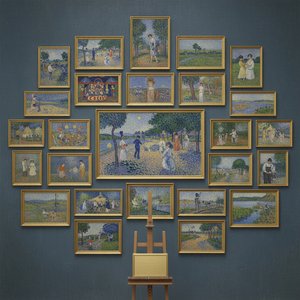
Descoperă cele mai frumoase 25 de picturi ale lui Georges Seurat! Explorează arta Pointillismului, culorile vibrante și stilul unic al acestui maestru impresionist. Reproduceri de calitate superioară pentru decor interior rafinat pe Most-Famous-Paintings.com.

Explore the life & art of George Romney, leading portraitist of Georgian England. Discover his style, famous patrons like Emma Hamilton, and legacy in British society. Expert insights for collectors.

Explore the luminous world of Sir George Clausen, a leading British Impressionist painter. Discover his captivating scenes of Edwardian life, rural England & poignant war art. Learn about his legacy and find high-quality reproductions at Most-Famous-Paintings.
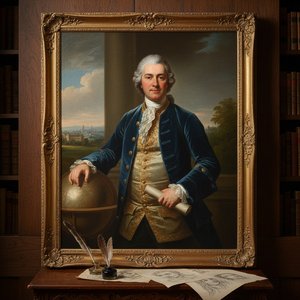
Explore the life & work of Thomas Hudson, a leading 18th-century British portraitist. Discover his mastery of the 'Grand Manner,' influential style, and lasting impact on British art. Learn about his notable portraits like Judge William Noel & Alexander Van Aken.


Rămâneți la curent cu cele mai recente știri din lumea artei, ofertele noastre exclusive și ideile de decor.
Spuneți-ne despre proiectul dumneavoastră, iar experții noștri în artă vă vor oferi 3 sugestii personalizate.
Vom selecta 3 opțiuni special pentru tine – Gratuit!


 Previzualizare
 Trimite
 Distribuie
 Detalii despre lucrare

 Descarcă
 Produse similare
 Radiografie
 Diapozitive automate


 Vezi mai mult







 Opțiunea cu sticlă este disponibilă doar pentru dimensiuni de sub 110 cm