x

 Abstract Expressionism
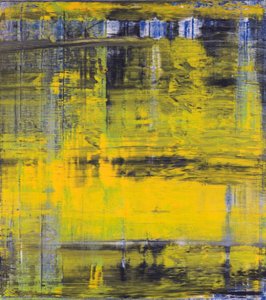
 1998
1998 19.0 x 65.0 cm
Achiziționați o imagine digitală de înaltă rezoluție, îmbunătățită, mult superioară previzualizării online.
Fiecare fișier este pregătit cu meticulozitate de specialiștii noștri interni, utilizând instrumente avansate și retușare manuală expertă. Ne asigurăm că fiecare imagine beneficiază de o claritate excepțională, o acuratețe precisă a culorilor și detalii fine.
Fișierul final este livrat prin e-mail în termen de 72 de ore, optimizat pentru utilizare imediată în medii profesionale, editoriale și de imprimare. Aceasta este aceeași calitate în care au încredere studiouri de design, edituri și galerii de top.
Descărcați un fișier la rezoluție înaltă pentru afișare personală, imprimare și proiecte creative. ( Cumpără print Cumpără pictură lucrată manual)
Când alegeți Most-Famous-Paintings.com, nu primiți doar o simplă imagine – primiți o operă de artă digitală îmbunătățită profesional, creată cu precizie și susținută de o garanție de satisfacție. Iată tot ceea ce primești odată cu comanda ta, în mod automat:

Fișierul imaginii digitale la rezoluție înaltă vă va fi trimis prin e-mail în termen de 72 de ore de la finalizarea comenzii – gata pentru utilizare imediată.

Opera ta de artă este optimizată profesional prin intermediul unor instrumente AI avansate și al editării manuale, asigurând un nivel maxim de detalii, claritate și acuratețe a culorilor.

Ai șters sau ai pierdut din greșeală fișierul? Nu îți face griji – ți-l vom retrimite oricând, gratuit.

Bucură-te instant de noua ta operă de artă, fără taxe vamale, taxe de import sau costuri de livrare – descărcările digitale sunt întotdeauna fără taxe.

Asigurăm o reflectare cât mai fidelă a culorilor originale în imaginea ta digitală, prin utilizarea unor instrumente profesionale și a proceselor de gestionare a culorii.

Dacă nu sunteți mulțumit de imaginea digitală achiziționată, o vom revizui sau vă vom returna 100% în termen de 60 de zile – fără nicio explicație necesară.

Nu ești mulțumit? Obține o rambursare completă în termen de 60 de zile de la primirea fișierului tău digital – fără întrebări.

Cumpără 3 imagini, economisește 10% - Cumpără 5, economisește 15% - Cumpără 10+, economisește 20%. Ideal pentru proiecte creative, galerii și agenții.

Born Moishe Chagall in Vitebsk, Belarus, on July 7, 1887, Marc Chagall’s life was a vibrant tapestry woven from the threads of Russian Jewish heritage, Parisian artistic innovation, and deeply personal symbolism. His early years were marked by poverty and upheaval – his family moved frequently due to economic hardship and political instability. This itinerant existence instilled in him a profound appreciation for movement and change, themes that would become central to his art. His father, a herring merchant, provided a modest but grounding influence, while his mother’s love of literature and music nurtured his creative spirit. Chagall's artistic journey began modestly, with lessons from a local painter, Jehuda Pen, followed by brief stints in Saint Petersburg academies – experiences that exposed him to the burgeoning avant-garde movements taking shape across Europe.
The pivotal moment arrived in 1911 when he secured a grant to travel to Paris. This marked a dramatic shift in his artistic direction. Immersed in the energy of Montparnasse, he encountered the revolutionary ideas of Fauvism and Cubism, absorbing their bold colors and fragmented perspectives. He quickly established himself within a circle of influential artists – Delaunay, Léger, Soutine, Lipchitz, and writers like Apollinaire and Salmon – forging connections that would profoundly shape his artistic development. His early Parisian works, such as *Golgotha* (1912) and *Homage to Apollinaire* (1912-13), demonstrated a willingness to experiment with new techniques and subject matter, reflecting the dynamism of the era.
Following World War I, Chagall returned to Vitebsk, a city grappling with political turmoil. He married Bella Rosenfeld in 1914, a union that would endure for over fifty years and serve as his primary source of inspiration. Their life together was marked by both joy and tragedy – the birth of their daughter, Ida, followed by the devastating loss of Bella during the Russian Revolution. Despite these hardships, Chagall continued to produce an astonishing volume of work, exploring themes of faith, memory, and the complexities of human relationships. His paintings from this period—*Promenade*, *Over the Town*, and *Apparition*—are characterized by a distinctive style that blended elements of Cubism, Fauvism, and Russian folklore.
The tumultuous years following the Revolution saw Chagall navigating a complex political landscape. Initially supportive of the Bolshevik ideals, he quickly became disillusioned with their authoritarian tendencies. His outspoken criticism led to his dismissal from his positions at the Vitebsk Fine Arts School and as Commissioner of Fine Arts. Forced to flee Russia in 1922, he sought refuge in Berlin, where he found renewed recognition through the efforts of art dealer Ambroise Vollard. This period witnessed a shift towards greater emotional intensity and a deepening engagement with religious iconography.
Chagall’s return to Paris in 1923 marked a significant chapter in his artistic evolution. He established a studio in Montparnasse, surrounded by fellow artists and writers, and continued to develop his unique visual language. His work during this period—including the iconic *I and the Village* (1916-17)—became increasingly infused with personal symbolism, drawing upon Jewish mythology, folklore, and memories of his childhood in Vitebsk. The recurring motifs of water, flight, and family – particularly Bella – emerged as powerful symbols within his oeuvre.
The 1930s saw Chagall experimenting with printmaking, notably his *Miserere* series (1925-1937), a deeply moving exploration of human suffering and redemption. These lithographs, commissioned by Ambroise Vollard, are considered among the most significant works of his career, showcasing his mastery of line, composition, and emotional expression. During this time he also began to incorporate elements of Surrealism into his work, reflecting the growing influence of psychoanalytic theory.
Marc Chagall died in 1983 at the age of 96, leaving behind a vast and profoundly influential body of work. His paintings are celebrated for their vibrant colors, dreamlike imagery, and deeply personal symbolism. He remains one of the most beloved artists of the 20th century, admired for his ability to capture the essence of human experience with both grace and power. His art continues to resonate with audiences worldwide, inviting us to enter a world of imagination, faith, and enduring beauty. His work is held in major museums around the globe, including the Museum of Modern Art (MoMA) in New York, the Centre Pompidou in Paris, and the State Russian Museum in Saint Petersburg.

1914 - 2007


Rămâneți la curent cu cele mai recente știri din lumea artei, ofertele noastre exclusive și ideile de decor.
Spuneți-ne despre proiectul dumneavoastră, iar experții noștri în artă vă vor oferi 3 sugestii personalizate.
Vom selecta 3 opțiuni special pentru tine – Gratuit!


 Previzualizare
 Trimite
 Distribuie
 Detalii despre lucrare

 Descarcă
 Produse similare
 Radiografie
 Diapozitive automate
 Vezi mai mult