x

 Contemporary Realism
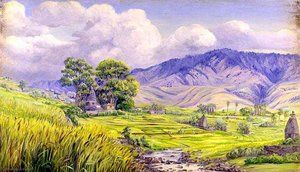
 1990
1990 76.0 x 61.0 cm
 Kerala Museum
Achiziționați o imagine digitală de înaltă rezoluție, îmbunătățită, mult superioară previzualizării online.
Fiecare fișier este pregătit cu meticulozitate de specialiștii noștri interni, utilizând instrumente avansate și retușare manuală expertă. Ne asigurăm că fiecare imagine beneficiază de o claritate excepțională, o acuratețe precisă a culorilor și detalii fine.
Fișierul final este livrat prin e-mail în termen de 72 de ore, optimizat pentru utilizare imediată în medii profesionale, editoriale și de imprimare. Aceasta este aceeași calitate în care au încredere studiouri de design, edituri și galerii de top.
Descărcați un fișier la rezoluție înaltă pentru afișare personală, imprimare și proiecte creative. ( Comandă printul Comandă pictură lucrată manual)
Când alegeți Most-Famous-Paintings.com, nu primiți doar o simplă imagine – primiți o operă de artă digitală îmbunătățită profesional, creată cu precizie și susținută de o garanție de satisfacție. Iată tot ceea ce primești odată cu comanda ta, în mod automat:

Fișierul imaginii digitale la rezoluție înaltă vă va fi trimis prin e-mail în termen de 72 de ore de la finalizarea comenzii – gata pentru utilizare imediată.

Opera ta de artă este optimizată profesional prin intermediul unor instrumente AI avansate și al editării manuale, asigurând un nivel maxim de detalii, claritate și acuratețe a culorilor.

Ai șters sau ai pierdut din greșeală fișierul? Nu îți face griji – ți-l vom retrimite oricând, gratuit.

Bucură-te instant de noua ta operă de artă, fără taxe vamale, taxe de import sau costuri de livrare – descărcările digitale sunt întotdeauna fără taxe.

Asigurăm o reflectare cât mai fidelă a culorilor originale în imaginea ta digitală, prin utilizarea unor instrumente profesionale și a proceselor de gestionare a culorii.

Dacă nu sunteți mulțumit de imaginea digitală achiziționată, o vom revizui sau vă vom returna 100% în termen de 60 de zile – fără nicio explicație necesară.

Nu ești mulțumit? Obține o rambursare completă în termen de 60 de zile de la primirea fișierului tău digital – fără întrebări.

Cumpără 3 imagini, economisește 10% - Cumpără 5, economisește 15% - Cumpără 10+, economisește 20%. Ideal pentru proiecte creative, galerii și agenții.

Born in 1929 amidst the poignant beauty and complex history of Srinagar, Ghulam Rasool Santosh – often known as G.R. Santosh – emerged from a modest background to become one of Kashmir’s most distinctive and spiritually resonant artistic voices. His life was a tapestry woven with threads of personal sacrifice, academic pursuit, and an unwavering dedication to expressing the profound themes of Kashmir Shaivism through a uniquely vibrant and sensual visual language. Santosh's journey is not merely that of a painter; it’s a testament to the power of art to transcend social boundaries and embody cultural identity.
Ghulam Rasool was born into a Kashmiri Muslim family in the Chinkral Mohalla, a vibrant neighborhood within old Srinagar. His early life was marked by hardship following his father’s death, forcing him to contribute financially from a young age. He initially worked as a signboard painter, weaver of silk, and whitewasher – skills that instilled an appreciation for texture, color, and the tactile nature of materials, all later reflected in his art. A pivotal moment arrived in 1954 when he secured a scholarship to study fine arts at the Maharaja Sayajirao University of Baroda in Gujarat—a significant departure from traditional Kashmiri artistic practices and a bold step towards formal training. This move was further complicated by an extraordinary personal choice: he married his childhood sweetheart, Santosh – a Kashmiri Pandit woman – defying societal norms and embracing a union that would profoundly shape his artistic perspective.
Upon returning to Srinagar, Santosh immersed himself in the study of Tantric art and, crucially, Kashmir Shaivism. This philosophical tradition, with its emphasis on union with the divine through sensory experience and ecstatic devotion, became the bedrock of his artistic vision. He began to translate these complex spiritual concepts into visual form, developing a distinctive style characterized by intense color palettes—deep blues, vibrant reds, and shimmering golds—and meticulously rendered lines that seemed to pulse with energy. His work moved beyond mere representation; it aimed to evoke a state of heightened awareness and connection to the divine, drawing heavily on the symbolism inherent in Tantric iconography.
Santosh’s art quickly gained recognition both within India and internationally. He participated in prestigious events such as the Tenth São Paulo Art Biennial in 1969, a landmark exhibition showcasing contemporary art from across the globe, and ‘Neo-Tantra: Contemporary Indian Art Inspired by Tradition’ at the University of California, Los Angeles, in 1985. These exhibitions brought his work to a wider audience, solidifying his reputation as a leading figure in modern Indian art. His paintings were celebrated for their spiritual depth, technical mastery, and sensual quality – a potent combination that resonated with viewers seeking both aesthetic beauty and profound meaning. He was also recognized for his literary contributions, writing plays, poetry, and essays in the ancient Kashmiri language of Sharda, demonstrating a deep connection to his cultural heritage.
Ghulam Rasool Santosh passed away in New Delhi in 1997, leaving behind a body of work that continues to captivate and inspire. His art stands as a powerful testament to the fusion of tradition and modernity, spirituality and sensuality. He skillfully blended the rich symbolism of Kashmir Shaivism with the dynamism of Tantric aesthetics, creating paintings that are both visually stunning and deeply evocative. Santosh’s legacy extends beyond his individual creations; he helped to preserve and revitalize the ancient Kashmiri language of Sharda, ensuring its continued existence alongside his artistic output. His work remains a vital window into the soul of Kashmir, offering viewers a glimpse into a world where art serves as a conduit for spiritual exploration and cultural preservation.

1929 - 1997 , India


Rămâneți la curent cu cele mai recente știri din lumea artei, ofertele noastre exclusive și ideile de decor.
Spuneți-ne despre proiectul dumneavoastră, iar experții noștri în artă vă vor oferi 3 sugestii personalizate.
Vom selecta 3 opțiuni special pentru tine – Gratuit!


 Previzualizare
 Trimite
 Distribuie
 Detalii despre lucrare

 Descarcă
 Produse similare
 Radiografie
 Diapozitive automate
 Vezi mai mult