


x

Achiziționați o imagine digitală de înaltă rezoluție, îmbunătățită, mult superioară previzualizării online.
Fiecare fișier este pregătit cu meticulozitate de specialiștii noștri interni, utilizând instrumente avansate și retușare manuală expertă. Ne asigurăm că fiecare imagine beneficiază de o claritate excepțională, o acuratețe precisă a culorilor și detalii fine.
Fișierul final este livrat prin e-mail în termen de 72 de ore, optimizat pentru utilizare imediată în medii profesionale, editoriale și de imprimare. Aceasta este aceeași calitate în care au încredere studiouri de design, edituri și galerii de top.
Descărcați un fișier la rezoluție înaltă pentru afișare personală, imprimare și proiecte creative. ( Cumpără print Cumpără pictură lucrată manual)
Când alegeți Most-Famous-Paintings.com, nu primiți doar o simplă imagine – primiți o operă de artă digitală îmbunătățită profesional, creată cu precizie și susținută de o garanție de satisfacție. Iată tot ceea ce primești odată cu comanda ta, în mod automat:

Fișierul imaginii digitale la rezoluție înaltă vă va fi trimis prin e-mail în termen de 72 de ore de la finalizarea comenzii – gata pentru utilizare imediată.

Opera ta de artă este optimizată profesional prin intermediul unor instrumente AI avansate și al editării manuale, asigurând un nivel maxim de detalii, claritate și acuratețe a culorilor.

Ai șters sau ai pierdut din greșeală fișierul? Nu îți face griji – ți-l vom retrimite oricând, gratuit.

Bucură-te instant de noua ta operă de artă, fără taxe vamale, taxe de import sau costuri de livrare – descărcările digitale sunt întotdeauna fără taxe.

Asigurăm o reflectare cât mai fidelă a culorilor originale în imaginea ta digitală, prin utilizarea unor instrumente profesionale și a proceselor de gestionare a culorii.

Dacă nu sunteți mulțumit de imaginea digitală achiziționată, o vom revizui sau vă vom returna 100% în termen de 60 de zile – fără nicio explicație necesară.

Nu ești mulțumit? Obține o rambursare completă în termen de 60 de zile de la primirea fișierului tău digital – fără întrebări.

Cumpără 3 imagini, economisește 10% - Cumpără 5, economisește 15% - Cumpără 10+, economisește 20%. Ideal pentru proiecte creative, galerii și agenții.
Gustav Klimt's "Study for The Dancer," a preparatory sketch rendered in delicate graphite and charcoal, offers an intimate window into the creative process behind one of his most iconic works. More than just a preliminary drawing, it embodies the nascent stages of a monumental vision—a testament to Klimt’s meticulous approach and profound exploration of feminine beauty and movement. This particular study, created in 1905, captures a pivotal moment in the development of “The Dancer,” a mural destined for the opulent Stoclet Palace in Brussels, and speaks volumes about Klimt's evolving artistic language.
The sketch itself is remarkably restrained, yet brimming with potential. A full-length female figure dominates the composition, poised with an almost regal stillness. Her arms are gracefully crossed, a subtle gesture of contained power and quiet contemplation. The lines are fluid and confident, suggesting not just the outline of her form but also the underlying musculature and drapery that would later be amplified in the finished painting. Noticeably absent is any attempt at shading or tonal variation; Klimt relies entirely on line weight and precise detailing to establish volume and depth. This deliberate choice underscores a shift towards a more linear, geometric style, characteristic of his mature work and heavily influenced by Japanese art – a fascination that would profoundly shape his aesthetic.
To fully appreciate this study, it's crucial to understand its context within Klimt’s broader artistic trajectory. The late 1890s marked a period of intense experimentation for the artist, as he moved away from the academic traditions that had initially defined his training and embraced a more personal, symbolic style. This shift culminated in what is often referred to as his “golden phase,” characterized by lavish use of gold leaf—a technique borrowed from Byzantine mosaics and medieval illuminated manuscripts – alongside bold geometric patterns and an exploration of themes related to sexuality, mythology, and the human psyche. "The Dancer," commissioned for the Stoclet Palace, was intended to be a centerpiece of this opulent display, embodying Klimt’s vision of female grace and spiritual transcendence.
This particular study, created in 1905, predates the full implementation of the gold leaf technique. It reveals a more restrained approach, focusing on capturing the essence of the pose and proportion before layering in the shimmering metallic accents that would ultimately define the final masterpiece. The sketch’s composition echoes elements found in Egyptian art – a deliberate reference to Klimt's fascination with ancient cultures and their idealized representations of the human form. The figure’s stance, reminiscent of statues from tombs, hints at an underlying sense of timelessness and spiritual significance.
Beyond its technical merits, “Study for The Dancer” is rich in symbolic meaning. The dancer herself represents a potent blend of vulnerability and strength, poised between earthly sensuality and ethereal beauty. Her crossed arms suggest both protection and introspection, while her gaze—implied rather than explicitly depicted—hints at an inner world of contemplation. Klimt’s use of line creates a dynamic tension, conveying the feeling of movement without resorting to traditional depictions of motion. The sketch invites us to imagine the dancer as more than just a figure; she becomes a vessel for exploring themes of desire, spirituality, and the complexities of the human experience.
The study’s monochrome palette—a stark contrast to the vibrant gold that would later adorn “The Dancer”—further emphasizes its introspective nature. It's a moment of pure form, stripped bare of extraneous details, allowing us to focus on the fundamental elements of composition and gesture. It is a reminder that Klimt’s genius lay not only in his ability to create visually stunning works but also in his capacity to distill complex emotions and ideas into deceptively simple sketches.
Reproductions of “Study for The Dancer” offer a remarkable opportunity to experience the intimacy and artistry of Klimt’s creative process. The meticulous detail captured in this preparatory sketch is faithfully reproduced, allowing viewers to appreciate the subtle nuances of line and form that define his unique style. Whether displayed as a standalone piece or incorporated into an interior design scheme, this study serves as a powerful reminder of Klimt's enduring legacy—a testament to the transformative power of art and its ability to capture the essence of beauty, movement, and the human spirit.
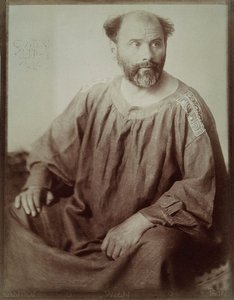
1862 - 1918 , Austria


Rămâneți la curent cu cele mai recente știri din lumea artei, ofertele noastre exclusive și ideile de decor.
Spuneți-ne despre proiectul dumneavoastră, iar experții noștri în artă vă vor oferi 3 sugestii personalizate.
Vom selecta 3 opțiuni special pentru tine – Gratuit!


 Previzualizare
 Trimite
 Distribuie
 Detalii despre lucrare

 Descarcă
 Produse similare
 Radiografie
 Diapozitive automate

 Vezi mai mult


