


x

Achiziționați o imagine digitală de înaltă rezoluție, îmbunătățită, mult superioară previzualizării online.
Fiecare fișier este pregătit cu meticulozitate de specialiștii noștri interni, utilizând instrumente avansate și retușare manuală expertă. Ne asigurăm că fiecare imagine beneficiază de o claritate excepțională, o acuratețe precisă a culorilor și detalii fine.
Fișierul final este livrat prin e-mail în termen de 72 de ore, optimizat pentru utilizare imediată în medii profesionale, editoriale și de imprimare. Aceasta este aceeași calitate în care au încredere studiouri de design, edituri și galerii de top.
Descărcați un fișier la rezoluție înaltă pentru afișare personală, imprimare și proiecte creative. ( Comandă printul Comandă pictură lucrată manual)
Când alegeți Most-Famous-Paintings.com, nu primiți doar o simplă imagine – primiți o operă de artă digitală îmbunătățită profesional, creată cu precizie și susținută de o garanție de satisfacție. Iată tot ceea ce primești odată cu comanda ta, în mod automat:

Fișierul imaginii digitale la rezoluție înaltă vă va fi trimis prin e-mail în termen de 72 de ore de la finalizarea comenzii – gata pentru utilizare imediată.

Opera ta de artă este optimizată profesional prin intermediul unor instrumente AI avansate și al editării manuale, asigurând un nivel maxim de detalii, claritate și acuratețe a culorilor.

Ai șters sau ai pierdut din greșeală fișierul? Nu îți face griji – ți-l vom retrimite oricând, gratuit.

Bucură-te instant de noua ta operă de artă, fără taxe vamale, taxe de import sau costuri de livrare – descărcările digitale sunt întotdeauna fără taxe.

Asigurăm o reflectare cât mai fidelă a culorilor originale în imaginea ta digitală, prin utilizarea unor instrumente profesionale și a proceselor de gestionare a culorii.

Dacă nu sunteți mulțumit de imaginea digitală achiziționată, o vom revizui sau vă vom returna 100% în termen de 60 de zile – fără nicio explicație necesară.

Nu ești mulțumit? Obține o rambursare completă în termen de 60 de zile de la primirea fișierului tău digital – fără întrebări.

Cumpără 3 imagini, economisește 10% - Cumpără 5, economisește 15% - Cumpără 10+, economisește 20%. Ideal pentru proiecte creative, galerii și agenții.
Gustav Klimt’s “The Pear Tree,” completed in 1903, stands as one of the artist's most celebrated landscapes—and arguably his most poignant exploration of themes surrounding femininity, spirituality, and the cyclical nature of life. More than just a depiction of fruit trees laden with blossoms and ripening pears, it embodies Klimt’s signature blend of Art Nouveau elegance and Byzantine mosaic influence, capturing a moment suspended between decay and renewal.
Originally commissioned by Viktor Zuckerkandl, an industrialist and avid art collector, Klimt envisioned this painting as part of a larger series intended for Zuckerkandl's opulent villa. The artwork’s immediate impact was considerable; critics initially condemned it for perceived vulgarity and lack of artistic merit—a reaction that underscored the anxieties surrounding Klimt’s bold stylistic choices and his willingness to challenge conventional aesthetic standards.
Klimt's artistic journey began in Vienna, where he honed his skills at the Kunstgewerbeschule alongside fellow artists like Franz von Matsch. Influenced by Symbolist painters such as Edvard Munch and James Abbott McNeill Whistler, Klimt swiftly developed a distinctive visual language characterized by flattened perspectives, stylized figures, and opulent ornamentation—elements that would define his oeuvre for decades to come.
The painting’s genesis coincided with the burgeoning Secession movement in Vienna, spearheaded by Klimt himself. Rejecting the conservative academic tradition, Secession artists sought inspiration from Byzantine mosaics and Japanese prints, aiming to forge a new artistic idiom rooted in decorative art and psychological introspection. “The Pear Tree” exemplifies this ethos perfectly—a deliberate departure from realism toward an expressive rendering of natural beauty imbued with symbolic significance.
Klimt’s masterful technique is immediately apparent upon viewing the canvas. Employing oil paint on canvas, he achieved remarkable textural depth through meticulous layering and glazing – a process that allowed him to capture the subtle nuances of light and shadow within the foliage and blossoms. The artist's use of color—primarily muted greens and blues contrasted with warm yellows and oranges—creates an atmosphere of serene contemplation.
However, Klimt’s most striking innovation lies in his stylistic approach. He eschewed traditional perspective, flattening the landscape into a shallow plane reminiscent of Byzantine mosaics—a technique that prioritized visual impact over accurate representation. The pear tree itself is rendered with meticulous detail, each leaf and blossom painstakingly delineated to convey an impression of vibrant life.
"The Pear Tree" transcends mere botanical depiction; it operates on multiple symbolic levels. The pear tree represents fertility, abundance, and the promise of regeneration—themes central to Klimt’s broader artistic concerns regarding mortality and rebirth. The blossoms symbolize purity and innocence, while the ripening pears signify maturity and fulfillment.
Furthermore, Klimt's deliberate use of color contributes significantly to the painting’s emotional impact. The dominant hues evoke feelings of tranquility and contemplation—yet beneath the surface lies an unspoken tension reflecting the artist’s preoccupation with psychological complexity. “The Pear Tree” invites viewers to contemplate not only the beauty of nature but also the profound mysteries of human existence.
“The Pear Tree” cemented Klimt's reputation as a visionary artist and profoundly influenced subsequent generations of painters who sought to explore themes of sexuality, spirituality, and decorative art. Its stylistic boldness—particularly its flattened perspective and mosaic-inspired technique—served as inspiration for artists across Europe.
Today, “The Pear Tree” remains a beloved masterpiece within the canon of modern art—a testament to Klimt’s unparalleled ability to transform visual observation into emotionally resonant symbolism. It continues to captivate audiences with its ethereal beauty and enduring contemplation on life's cyclical journey.

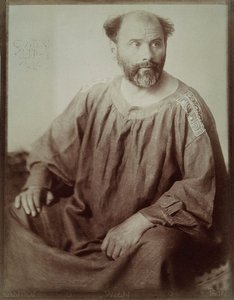
1862 - 1918 , Austria


Rămâneți la curent cu cele mai recente știri din lumea artei, ofertele noastre exclusive și ideile de decor.
Spuneți-ne despre proiectul dumneavoastră, iar experții noștri în artă vă vor oferi 3 sugestii personalizate.
Vom selecta 3 opțiuni special pentru tine – Gratuit!


 Previzualizare
 Trimite
 Distribuie
 Detalii despre lucrare

 Descarcă
 Produse similare
 Radiografie
 Diapozitive automate

 Vezi mai mult


