


x

Pictură în ulei pe pânză, realizată manual de artiștii noștri la dimensiunea și ramele dorite de dumneavoastră, pe comandă. ( Comandă printul Cumpără imaginea)





























Alegeți dintre dimensiunile noastre prestabilite, care respectă proporțiile originale ale operei de artă.

Puteți introduce propriile dimensiuni pentru a se potrivi unui anumit cadru sau spațiu. Dacă dimensiunea selectată nu corespunde proporțiilor imaginii originale, vom decupa opera de artă sau vom extinde pictura cu elemente suplimentare pictate manual. O simulare digitală vă va fi trimisă pentru aprobare înainte de începerea producției.
Vă rugăm să rețineți că previzualizarea de pe ecran nu reflectă decuparea sau extinderea reală. Doar macheta va arăta cu exactitate compoziția finală.
Deși sunt disponibile dimensiuni personalizate, vă recomandăm să selectați o dimensiune din lista predefinită pentru a păstra proporțiile originale.
Livrare în întreaga lume () în 3-4 săptămâni, în loc de cele 5 săptămâni standard. (23 August). Fără compromisuri în ceea ce privește calitatea.


Andromède
Dimensiune reproducere
Gustave Moreau's "Andromède" is not merely a depiction of a biblical narrative; it’s an immersion into the richly layered, emotionally charged world of Symbolism. Painted in 1890, this work exemplifies Moreau’s profound engagement with mythology, religion, and the subconscious—themes that would define his career and establish him as one of the movement's most distinctive figures. The painting immediately arrests the viewer with its dramatic composition: a woman, Andromède, stands poised against a monstrous figure, locked in what appears to be a desperate struggle. This isn’t a straightforward retelling of the story of Andromeda chained to a rock; instead, Moreau transforms it into a potent allegory for conflict, desire, and the precarious balance between order and chaos.
Moreau's technical mastery is evident in the meticulous detail with which he renders his subjects. The palette is dominated by deep blues, purples, and ochres, creating a sense of melancholy and foreboding. These colors aren’t used to simply represent reality; they are imbued with symbolic weight, reflecting the emotional turmoil at the heart of the scene. Notice the heavy impasto – the thick application of paint – particularly in the textures of the monster's skin and the woman's garments. This technique adds a tactile quality to the work, inviting the viewer to almost feel the struggle unfolding before them. The composition itself is deliberately unbalanced, with the figures positioned off-center, contributing to the overall sense of unease and instability. Moreau’s use of pyramidal structure, a common device in academic art, is subverted here, creating a dynamic tension that draws the eye across the canvas.
The monstrous figure accompanying Andromède is not a literal demon but rather a projection of her inner demons—representing fear, temptation, or perhaps even the destructive forces within herself. The presence of two additional figures – one on either side – adds another layer of complexity to the narrative. Some scholars believe they represent opposing forces, while others interpret them as aspects of Andromède’s own psyche. Moreau frequently employed allegorical figures in his work, drawing inspiration from classical mythology and esoteric traditions. His goal was not to simply depict a story but to explore universal themes through symbolic imagery, tapping into the viewer's subconscious.
"Andromède" was created during a period of significant artistic innovation in Paris. Moreau’s work stood apart from the naturalism and realism that dominated the art world at the time. He aligned himself with other Symbolist artists, such as Odilon Redon and Pierre Puvis de Chavannes, who sought to create works that were both beautiful and deeply meaningful. Moreau's influence can be seen in subsequent generations of artists, including those associated with Art Nouveau and early Modernism. Today, "Andromède" remains a powerful example of Symbolist painting—a testament to Moreau’s ability to transform myth into a profound meditation on the human condition. Its evocative imagery continues to captivate viewers, inviting them to contemplate the timeless themes of struggle, sacrifice, and the enduring power of the imagination.
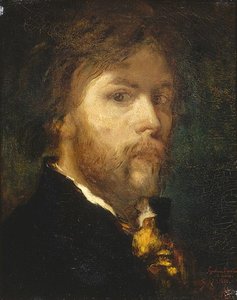
1826 - 1898 , Franța

Elevate your design projects with Most-Famous-Paintings's premium canvas prints and hand-painted reproductions. Discover affordable, museum-quality wall decor delivered worldwide, offering freelance decorators professional excellence, archival durability, and bespoke customization for every space.

Explore the evocative world of Symbolist painting. Discover how masters like Gustave Moreau rejected realism to capture dreams, myths, and the subconscious through fine art history and expert analysis.


Rămâneți la curent cu cele mai recente știri din lumea artei, ofertele noastre exclusive și ideile de decor.
Spuneți-ne despre proiectul dumneavoastră, iar experții noștri în artă vă vor oferi 3 sugestii personalizate.
Vom selecta 3 opțiuni special pentru tine – Gratuit!


 Previzualizare
 Trimite
 Distribuie
 Detalii despre lucrare

 Descarcă
 Produse similare
 Radiografie
 Diapozitive automate

 Vezi mai mult







 Opțiunea cu sticlă este disponibilă doar pentru dimensiuni de sub 110 cm


