x

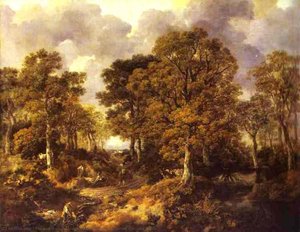
 155.0 x 107.0 cm
 Wolverhampton Art Gallery
Achiziționați o imagine digitală de înaltă rezoluție, îmbunătățită, mult superioară previzualizării online.
Fiecare fișier este pregătit cu meticulozitate de specialiștii noștri interni, utilizând instrumente avansate și retușare manuală expertă. Ne asigurăm că fiecare imagine beneficiază de o claritate excepțională, o acuratețe precisă a culorilor și detalii fine.
Fișierul final este livrat prin e-mail în termen de 72 de ore, optimizat pentru utilizare imediată în medii profesionale, editoriale și de imprimare. Aceasta este aceeași calitate în care au încredere studiouri de design, edituri și galerii de top.
Descărcați un fișier la rezoluție înaltă pentru afișare personală, imprimare și proiecte creative. ( Comandă printul Comandă pictură lucrată manual)
Când alegeți Most-Famous-Paintings.com, nu primiți doar o simplă imagine – primiți o operă de artă digitală îmbunătățită profesional, creată cu precizie și susținută de o garanție de satisfacție. Iată tot ceea ce primești odată cu comanda ta, în mod automat:

Fișierul imaginii digitale la rezoluție înaltă vă va fi trimis prin e-mail în termen de 72 de ore de la finalizarea comenzii – gata pentru utilizare imediată.

Opera ta de artă este optimizată profesional prin intermediul unor instrumente AI avansate și al editării manuale, asigurând un nivel maxim de detalii, claritate și acuratețe a culorilor.

Ai șters sau ai pierdut din greșeală fișierul? Nu îți face griji – ți-l vom retrimite oricând, gratuit.

Bucură-te instant de noua ta operă de artă, fără taxe vamale, taxe de import sau costuri de livrare – descărcările digitale sunt întotdeauna fără taxe.

Asigurăm o reflectare cât mai fidelă a culorilor originale în imaginea ta digitală, prin utilizarea unor instrumente profesionale și a proceselor de gestionare a culorii.

Dacă nu sunteți mulțumit de imaginea digitală achiziționată, o vom revizui sau vă vom returna 100% în termen de 60 de zile – fără nicio explicație necesară.

Nu ești mulțumit? Obține o rambursare completă în termen de 60 de zile de la primirea fișierului tău digital – fără întrebări.

Cumpără 3 imagini, economisește 10% - Cumpără 5, economisește 15% - Cumpără 10+, economisește 20%. Ideal pentru proiecte creative, galerii și agenții.

In the grand tapestry of Victorian British art, few threads are as vital yet subtly woven as that of Henry Mark Anthony. A master of light and atmosphere, Anthony stands as a transformative figure who bridged the gap between traditional studio landscapes and the revolutionary en plein air movement. Born in 1817 at Rusholme Lane, Manchester, his early years were shaped by a blend of Welsh heritage and an burgeoning artistic curiosity. Following his family's move to Cowbridge, Glamorgan, his initial creative sparks were fanned by an apprenticeship under Dr. Harrison, an amateur artist who recognized the young boy's innate sensitivity to the natural world. This early foundation in meticulous observation would later become the hallmark of his mature style.
The trajectory of Anthony’s career took a decisive turn when he moved to London around 1833. It was during this period of profound exploration that his artistic identity truly began to coalesce. Supported by newfound patronage, he embarked on extensive travels across the European continent, venturing through the Netherlands, France, Ireland, and Spain. These journeys were far more than mere sightseeing; they were rigorous academic pursuits. At the Hague and within the prestigious Académie des Beaux-Arts in Paris, Anthony immersed himself in the techniques of masters such as Paul Delaroche, Ary Scheffer, and Horace Vernet. However, it was his time in Fontainebleau in 1837 that would forever alter his brushwork. Immersed in the ethos of the Barbizon School, he drew deep inspiration from the works of Jean-Baptiste-Camille Corot and Jules Dupré, learning to capture not just the geography of a place, but its very soul through direct engagement with the elements.
What set Henry Mark Anthony apart from his contemporaries was his courageous rejection of the static, controlled environment of the studio in favor of the unpredictable beauty of the outdoors. He is widely credited with being among the first British artists to introduce the French plein-air style to the London art scene. This method required a radical shift in technique—a need for speed, spontaneity, and an acute awareness of fleeting atmospheric effects. His canvases began to breathe with the moisture of English mist and the warmth of Mediterranean sun, capturing textural nuances that had previously been lost in more formal compositions.
Critics of his era often drew favorable comparisons between Anthony and the legendary John Constable, noting a shared devotion to the sublime beauty of the landscape. His ability to render the ephemeral—the way light filters through a canopy of trees or how shadows stretch across a meadow—gave his work an emotional resonance that captivated audiences. This mastery of atmosphere was not merely a technical feat but a poetic one, as he sought to translate the transient moments of nature into permanent visual poetry. His frequent exhibitions at prestigious institutions such as the Royal Academy, the British Institution, and the Society of British Artists solidified his reputation as a leading voice in the Romantic movement.
The impact of Henry Mark Anthony extended far beyond his own canvases. By bringing the sensibilities of the Barbizon School to Britain, he helped pave the way for subsequent generations of landscape painters. His commitment to the careful observation of nature resonated deeply with the Pre-Raphaelite Brotherhood; he maintained a close friendship with Ford Madox Brown and earned the admiration of artists who sought a similar truth in their depictions of the natural world. His work served as a vital link between the classical traditions of the early 19th century and the more modern, impressionistic approaches that would follow.
Throughout his life, Anthony’s achievements were marked by both critical acclaim and institutional recognition. Notable milestones include:
When Henry Mark Anthony passed away in Hampstead in 1886, he left behind a transformed landscape painting tradition. He had successfully taught the British eye to look closer at the world, to find the extraordinary within the ordinary, and to appreciate the profound beauty found in a single, sun-drenched moment captured directly from the earth.

1817 - 1886


Rămâneți la curent cu cele mai recente știri din lumea artei, ofertele noastre exclusive și ideile de decor.
Spuneți-ne despre proiectul dumneavoastră, iar experții noștri în artă vă vor oferi 3 sugestii personalizate.
Vom selecta 3 opțiuni special pentru tine – Gratuit!


 Previzualizare
 Trimite
 Distribuie
 Detalii despre lucrare

 Descarcă
 Produse similare
 Radiografie
 Diapozitive automate
 Vezi mai mult