


x

Printuri giclée sau pe canvas de calitate muzeală, cu proces de producție rapid și opțiuni flexibile de finisare. ( Comandă pictură lucrată manual Cumpără imaginea)
Alegeți dintre dimensiunile noastre prestabilite, care respectă proporțiile originale ale operei de artă.

Puteți introduce propriile dimensiuni pentru a se potrivi unui anumit cadru sau spațiu. Dacă dimensiunea selectată nu corespunde proporțiilor imaginii originale, vom decupa lucrarea de artă sau vom extinde imaginea cu margini oglindite sau cu o culoare uniformă. Un mockup digital va fi trimis pentru aprobarea dumneavoastră înainte de începerea producției.
Vă rugăm să rețineți că previzualizarea de pe ecran nu reflectă decuparea sau extinderea reală. Doar mockup-ul va arăta cu exactitate compoziția finală.
Deși dimensiunile personalizate sunt disponibile, vă recomandăm să selectați o dimensiune din lista predefinită pentru a păstra proporțiile originale.
Livrare în întreaga lume () în 2 săptămâni, în loc de cele 4/5 săptămâni standard. (24 August)


The Archers
Dimensiune reproducere
Henry Raeburn’s "The Archers" is more than just a portrait; it's a window into the refined world of late 18th/early 19th-century Scottish society. This captivating artwork, likely executed in oil paint on canvas, depicts two men engaged in archery, presented with a formality that speaks to their elite social standing. The painting’s enduring appeal lies not only in its technical skill but also in the subtle narrative it conveys about partnership, precision, and the leisurely pursuits of the gentry.
The composition of "The Archers" is carefully orchestrated to create a sense of balance and dynamism. The two archers are positioned slightly off-center, facing forward and drawing their bows in mirrored poses, suggesting coordination and shared purpose. This symmetry is counterbalanced by the diagonal lines formed by the bows and arrows, which inject energy into the scene. Raeburn masterfully utilizes strong diagonal lines to guide the viewer's eye across the canvas while curved lines defining the figures’ bodies and clothing folds add a sense of softness. The lighting is soft and diffused, illuminating the faces and upper bodies of the archers, creating depth and highlighting their features against a darker background. This technique, characteristic of portraiture from this era, emphasizes the subjects while maintaining an air of mystery in the surrounding space.
Painted around 1789-1790, "The Archers" reflects a period when archery was experiencing a revival as a fashionable pastime among the upper classes. The Royal Company of Archers, to which these men likely belonged, held significant social prestige. Archery itself carries symbolic weight – representing skill, precision, focus, and discipline. The pairing of the two archers suggests themes of teamwork, partnership, and shared responsibility. Considering Raeburn’s biography, his work often captured the essence of prominent figures within Scottish society during a period of intellectual and cultural flourishing known as the Scottish Enlightenment. The painting's style aligns with the Neoclassical influences prevalent at the time, emphasizing realism and formal presentation.
"The Archers" evokes a sense of quiet dignity and understated elegance. The subdued color palette – dominated by earthy tones like browns, tans, and muted greens – contributes to the painting's classic feel. While seemingly straightforward, the artwork invites contemplation on themes of skill, partnership, and the pursuit of excellence. Sir Henry Raeburn (1756-1823), a pioneer in his field, left an indelible mark on Scottish portraiture with his ability to capture not just likeness but also character. "The Archers" stands as a testament to his talent and provides a fascinating glimpse into the world of 18th-century aristocratic life.
Executed using traditional oil painting techniques, “The Archers” showcases Raeburn’s mastery of layering and blending colors. The canvas itself likely served as a durable foundation for the rich pigments used to create this enduring work of art. For those interested in exploring further, consider examining related works by Raeburn such as "Dr Nathaniel Spens in the uniform of the Royal Company of Archers" or delving into his biography to understand the context and influences that shaped his artistic vision.


1756 - 1823 , Regatul Unit al Marii Britanii și Irlandei
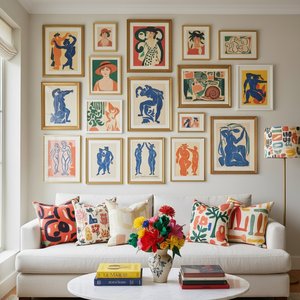
Descoperă cele mai emblematice 25 de opere ale lui Henri Matisse! Explorează fauvismul, culorile vibrante și stilul unic al artistului francez. Reproduceri tablouri de calitate muzeală & inspirație pentru decor pe Most-Famous-Paintings.com.

Explore the life & work of Henry Raeburn, a master Scottish portraitist. Discover his innovative techniques, captivating portraits of the Enlightenment era, and lasting legacy in art history. Learn more at Most-Famous-Paintings.

Explore the life & work of Henry Raeburn Dobson, a key figure bridging Scottish tradition & modern art. Discover his neoclassical portraits, landscapes, and connection to the Colourists. Learn about collecting his works.

Explore 10 defining masterpieces of Romantic Realism! Discover Courbet, Millet & Daumier's powerful paintings—capturing emotion and social realities. Find museum-quality reproductions for your home at Most-Famous-Paintings.com.

Explore the life & legacy of Robert Henri, a pivotal figure in American Realism. Discover his captivating portraits, influence on the Ashcan School, and enduring impact on art history. Learn more at Most-Famous-Paintings.


Rămâneți la curent cu cele mai recente știri din lumea artei, ofertele noastre exclusive și ideile de decor.
Spuneți-ne despre proiectul dumneavoastră, iar experții noștri în artă vă vor oferi 3 sugestii personalizate.
Vom selecta 3 opțiuni special pentru tine – Gratuit!


 Previzualizare
 Trimite
 Distribuie
 Detalii despre lucrare

 Descarcă
 Produse similare
 Radiografie
 Diapozitive automate
 Vezi mai mult




































 Opțiunea cu sticlă este disponibilă doar pentru dimensiuni de sub 110 cm


