


x
Print giclée sau pe canvas de calitate muzeală, cu producție rapidă și opțiuni flexibile de finisare. ( Switch to hand made Painting Switch to Image)





























Alegeți dintre dimensiunile noastre prestabilite, care respectă proporțiile originale ale operei de artă.

Puteți introduce propriile dimensiuni pentru a se potrivi unui anumit cadru sau spațiu. Dacă dimensiunea selectată nu corespunde proporțiilor imaginii originale, vom decupa lucrarea de artă sau vom extinde imaginea cu margini oglindite sau cu o culoare uniformă. Un mockup digital va fi trimis pentru aprobarea dumneavoastră înainte de începerea producției.
Vă rugăm să rețineți că previzualizarea de pe ecran nu reflectă decuparea sau extinderea reală. Doar mockup-ul va arăta cu exactitate compoziția finală.
Deși dimensiunile personalizate sunt disponibile, vă recomandăm să selectați o dimensiune din lista predefinită pentru a păstra proporțiile originale.
Livrare în întreaga lume () în 2 săptămâni, în loc de cele 4/5 săptămâni standard. (30 Iulie)


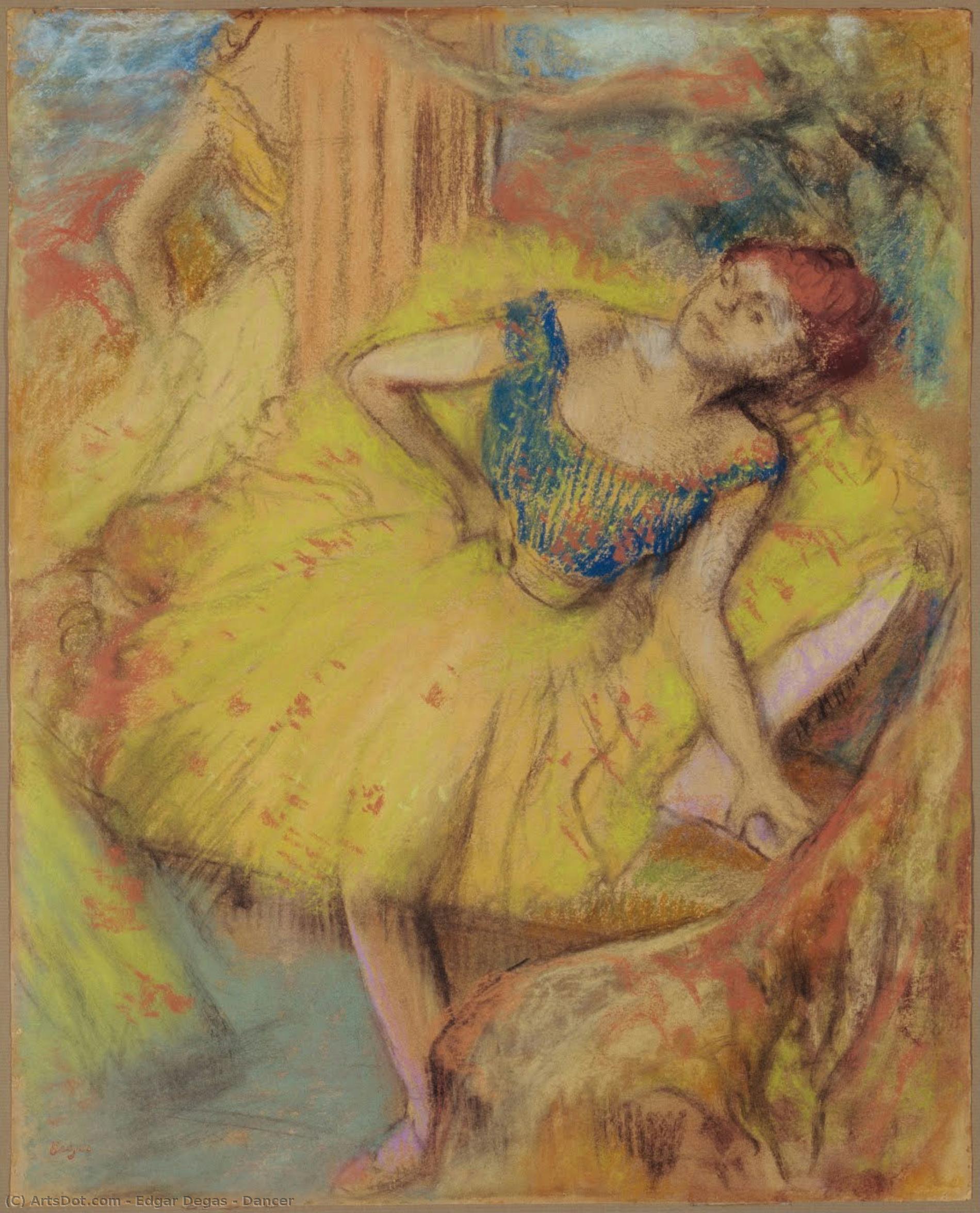
Dancer
Dimensiune reproducere
Edgar Degas’s “Dancer,” often referred to as “Dancers at the Barre,” is not merely a depiction of ballet; it's an exquisitely rendered distillation of movement, atmosphere, and the very essence of performance. Completed around 1898, this pastel masterpiece transcends simple portraiture, offering a profound glimpse into Degas’s lifelong fascination with the world of dance – a world he meticulously observed and relentlessly pursued on canvas. The painting immediately draws the eye to its central subject: a young dancer poised at the barre, her body coiled in a graceful contraction, her gaze fixed intently ahead. She is not frozen in a static pose but appears suspended mid-effort, embodying the dynamic tension between preparation and execution that defines ballet.

Degas’s genius lies not just in his subject matter but also in his masterful manipulation of pastel – a medium he favored late in his career. He eschewed the traditional, polished finish often associated with pastels, instead embracing a deliberately rough and textured surface. This technique, combined with his loose brushstrokes and vibrant color palette, creates an immediate sense of immediacy and spontaneity. Notice how the cool blues and greens of the studio walls contrast sharply with the warm flesh tones of the dancer, emphasizing her presence within the space. The use of broken color – applying small strokes of different hues side-by-side rather than blending them seamlessly – contributes to the painting’s shimmering quality and its ability to capture the fleeting effects of light and shadow. Degas's meticulous attention to detail, particularly in rendering the dancer’s musculature and the subtle nuances of her posture, reveals a deep understanding of anatomy and movement.
“Dancer” is firmly rooted in the vibrant atmosphere of late 19th-century Paris – the Belle Époque. Degas was deeply embedded within this cultural milieu, frequenting ballet theaters and studios, sketching dancers from behind scrims to capture their movements without disrupting the performance. This painting reflects his intimate knowledge of the ballet world, capturing not just the physical appearance of the dancer but also the atmosphere of dedication, discipline, and artistry that permeated Parisian dance halls. The inclusion of the other figures in the background – a teacher offering guidance, a fellow dancer adjusting her costume – adds to this sense of realism and provides context for the scene.
Beyond its technical brilliance, “Dancer” is rich in symbolic meaning. The dancer’s intense focus represents the dedication required to master the demanding art of ballet. Her poised posture embodies grace, strength, and control – qualities that are both physically challenging and aesthetically beautiful. The barre itself serves as a symbol of discipline and preparation, highlighting the rigorous training that underpins every successful performance. Degas's choice to depict a dancer in mid-movement—a moment of intense concentration before or after a performance—captures the ephemeral nature of beauty and the fleeting moments of artistic expression.
“Dancer” remains one of Degas’s most celebrated works, offering a captivating glimpse into his unique vision of the world. Its evocative atmosphere, masterful technique, and profound symbolism continue to resonate with viewers today. Whether admired for its technical brilliance or its emotional depth, this painting stands as a testament to Degas's enduring legacy as one of the greatest artists of the modern era. Reproductions capture much of the original’s magic, offering an accessible way to bring this iconic image into your home and experience the beauty of Degas’s artistic vision.


1834 - 1917 , Franța

Descoperă top 25 de capodopere din Metropolitan Museum of Art, New York! Explorează poveștile lui Monet, Van Gogh și Rembrandt. Găsește inspirație pentru decorul casei tale cu reproduceri artă de calitate muzeală pe Most-Famous-Paintings.com.
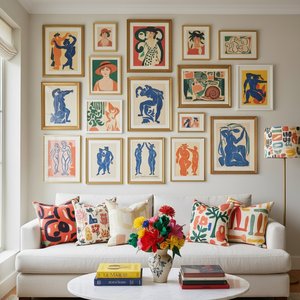
Descoperă cele mai emblematice 25 de opere ale lui Henri Matisse! Explorează fauvismul, culorile vibrante și stilul unic al artistului francez. Reproduceri tablouri de calitate muzeală & inspirație pentru decor pe Most-Famous-Paintings.com.
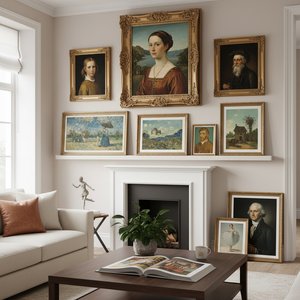
Descoperă cele mai frumoase 25 de picturi din National Gallery of Art, Washington! Cézanne, Matisse, Picasso și alți maeștri te așteaptă. Reproduceri de artă de calitate muzeală pentru un decor rafinat. Explorează colecția completă pe Most-Famous-Paintings.com!

Descoperă top 25 de capodopere din Detroit Institute of Arts! Explorează poveștile lui Van Gogh, Monet și Rembrandt. Reproduceri tablouri de calitate muzeală pentru un decor artistic unic. Inspiră-te și găsește arta perfectă pe Most-Famous-Paintings.com!
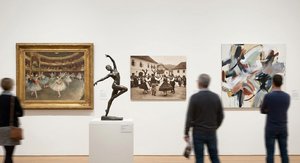
Explore the captivating history of dance in art! From Degas' ballet scenes to abstract expressions, discover how artists have captured movement and cultural significance across time. Expert insights for collectors & enthusiasts.


Rămâneți la curent cu cele mai recente știri din lumea artei, ofertele noastre exclusive și ideile de decor.
Spuneți-ne despre proiectul dumneavoastră, iar experții noștri în artă vă vor oferi 3 sugestii personalizate.
Vom selecta 3 opțiuni special pentru tine – Gratuit!


 Preview
 Trimite
 Distribuie
 Detalii despre lucrare

 Descarcă
 Similare
 Radiografie
 Diaporama

 Vezi mai mult







 Opțiunea cu sticlă este disponibilă doar pentru dimensiuni de sub 110 cm


