


x

Pictură în ulei pe pânză, realizată manual de artiștii noștri la dimensiunea și ramele dorite de dumneavoastră, pe comandă. ( Comandă printul Cumpără imaginea)





























Alegeți dintre dimensiunile noastre prestabilite, care respectă proporțiile originale ale operei de artă.

Puteți introduce propriile dimensiuni pentru a se potrivi unui anumit cadru sau spațiu. Dacă dimensiunea selectată nu corespunde proporțiilor imaginii originale, vom decupa opera de artă sau vom extinde pictura cu elemente suplimentare pictate manual. O simulare digitală vă va fi trimisă pentru aprobare înainte de începerea producției.
Vă rugăm să rețineți că previzualizarea de pe ecran nu reflectă decuparea sau extinderea reală. Doar macheta va arăta cu exactitate compoziția finală.
Deși sunt disponibile dimensiuni personalizate, vă recomandăm să selectați o dimensiune din lista predefinită pentru a păstra proporțiile originale.
Livrare în întreaga lume () în 3-4 săptămâni, în loc de cele 5 săptămâni standard. (15 August). Fără compromisuri în ceea ce privește calitatea.


Roman Capriccio
Dimensiune reproducere
Hubert Robert’s “Roman Capriccio,” painted in 1798, stands as a quintessential example of the Romantic movement's fascination with ruins—not merely as physical remnants of grandeur past, but as symbols of time’s relentless march and the sublime power of nature. This monumental canvas captures a breathtaking panorama of Rome, rendered not with meticulous realism but with an artist’s eye for dramatic composition and atmospheric illusion.
Robert skillfully employs a technique known as *capriccio*, which distinguishes itself from traditional landscape painting by prioritizing imaginative vision over accurate representation. He abandons the conventions of classical perspective, opting instead for layered planes of color and light that create an illusionistic depth—a hallmark of Baroque art revived during the Romantic era. The crumbling columns and arches dominate the scene, bathed in a hazy golden glow that evokes memories of antiquity.
Painted shortly after Napoleon's triumphant return to Paris following his Italian campaign, “Roman Capriccio” reflects the prevailing mood of optimism mingled with melancholy. The ruins depicted are not merely picturesque; they serve as a poignant reminder of the fallen glory of empires—a theme resonating powerfully within Romantic thought. Robert’s depiction captures the grandeur of Rome before Napoleon's occupation, highlighting its architectural magnificence and celebrating its enduring legacy.
Beyond its visual splendor, “Roman Capriccio” is laden with symbolic meaning. The decaying structures represent the inevitable passage of time and the futility of human ambition against the forces of nature. Yet, amidst the ruin, vibrant blossoms erupt—a symbol of regeneration and hope—suggesting that beauty can emerge from destruction. Robert’s masterful use of color and light underscores this duality, conveying both sorrow for what is lost and anticipation for what will come.
"Roman Capriccio" transcends mere visual observation; it invites contemplation on the ephemeral nature of existence. The painting evokes a profound sense of awe—a feeling akin to encountering the sublime—as viewers are transported back to an idealized vision of Rome’s past. Robert's ability to capture this emotional resonance cements his place as one of the most influential landscape painters of his time, continuing to inspire artists and collectors alike.
For more information about Hubert Robert and his artistic legacy, visit Google Arts & Culture.


1733 - 1808 , Franța

Explore the captivating world of Hubert Robert, master of Romantic landscape painting & 'capriccio' ruins. Discover his historical context, artistic innovations, and collecting insights with Most-Famous-Paintings.

Descoperă 10 capodopere romantice iconice de Caspar David Friedrich, Turner și alți maeștri. Explorează istoria artei, emoțiile din peisaje și găsește tablouri canvas perfecte pentru decorul tău pe Most-Famous-Paintings.com!
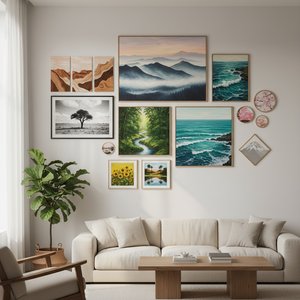
Descoperă top 10 capodopere artistice cu peisaje, de la Monet și Van Gogh la picturi impresioniste. Află poveștile din spatele fiecărei opere și găsește inspirație pentru decorul casei tale! Reproduceri tablouri de calitate superioară pe Most-Famous-Paintings.com.

Explore the emotional power of Romantic landscape painting! Discover the sublime & picturesque traditions, key artists like Friedrich & Cole, and find your perfect artwork at Most-Famous-Paintings.

Explore the rich history of landscape art with Most-Famous-Paintings. Discover renowned artists, movements like Impressionism & Romanticism, and expert guidance for collecting timeless pieces. Find your perfect serene escape today!


Rămâneți la curent cu cele mai recente știri din lumea artei, ofertele noastre exclusive și ideile de decor.
Spuneți-ne despre proiectul dumneavoastră, iar experții noștri în artă vă vor oferi 3 sugestii personalizate.
Vom selecta 3 opțiuni special pentru tine – Gratuit!


 Previzualizare
 Trimite
 Distribuie
 Detalii despre lucrare

 Descarcă
 Produse similare
 Radiografie
 Diapozitive automate


 Vezi mai mult







 Opțiunea cu sticlă este disponibilă doar pentru dimensiuni de sub 110 cm


