


x

 Ulei pe pânzăArtă muralăEarly Netherlandish Painting
 1437Renașterea
 49.0 x 65.0 cm
 Muzeul Städel
Pictură în ulei pe pânză, realizată manual de artiștii noștri la dimensiunea și ramele dorite de dumneavoastră, pe comandă. ( Comandă printul Cumpără imaginea)





























Alegeți dintre dimensiunile noastre prestabilite, care respectă proporțiile originale ale operei de artă.

Puteți introduce propriile dimensiuni pentru a se potrivi unui anumit cadru sau spațiu. Dacă dimensiunea selectată nu corespunde proporțiilor imaginii originale, vom decupa opera de artă sau vom extinde pictura cu elemente suplimentare pictate manual. O simulare digitală vă va fi trimisă pentru aprobare înainte de începerea producției.
Vă rugăm să rețineți că previzualizarea de pe ecran nu reflectă decuparea sau extinderea reală. Doar macheta va arăta cu exactitate compoziția finală.
Deși sunt disponibile dimensiuni personalizate, vă recomandăm să selectați o dimensiune din lista predefinită pentru a păstra proporțiile originale.
Livrare în întreaga lume () în 3-4 săptămâni, în loc de cele 5 săptămâni standard. (22 August). Fără compromisuri în ceea ce privește calitatea.


Lucca Madonna
Dimensiune reproducere
Jan van Eyck's Lucca Madonna, painted in 1437, isn’t merely a depiction of the Virgin and Child; it’s an immersive experience, a meticulously crafted jewel box offering glimpses into the burgeoning world of Early Netherlandish art. More than six centuries after its creation, this small panel radiates with an almost unsettling intensity – a testament to van Eyck's revolutionary techniques and his profound understanding of symbolism. Housed within the Städel Museum in Frankfurt, it invites viewers to linger, to decipher the layers of meaning embedded within its serene yet complex composition.
The painting immediately captivates with its luminous quality, a hallmark of van Eyck’s pioneering use of oil paint. Unlike the tempera-based pigments favored by his predecessors, oil allowed for unprecedented detail and depth – each fold in Mary’s crimson gown, each glint of light on the infant Christ’s face, is rendered with astonishing precision. This mastery isn’t simply technical; it’s a deliberate choice to draw the viewer into the scene, creating an illusion of tangible reality. The palette itself is restrained yet rich, dominated by deep reds and blues offset by earthy browns and golds, lending the image a sense of quiet dignity.
The composition is meticulously structured around the concept of divine authority. Mary isn’t simply seated; she occupies a throne – not one of earthly power, but a symbolic representation of Solomon's throne, adorned with twelve lion statues crafted from brass. This immediately elevates her status, connecting her to biblical precedent and reinforcing her role as Queen of Heaven. The placement of the figures within the room is equally deliberate. The narrow space, reminiscent of a small chapel, directs the viewer’s gaze towards Mary and Christ, creating a sense of intimacy and reverence.
Beyond these primary symbols, subtle details contribute to the painting’s richness. The window behind them, crafted from crown glass, reflects light and adds depth to the scene. A shelf holds a half-filled carafe, suggesting domestic tranquility alongside spiritual devotion. Even the floor tiles, patterned with geometric designs, speak to an ordered universe governed by divine principles.
The Lucca Madonna is more than just a beautiful painting; it’s a window into the intellectual and artistic landscape of the Early Northern Renaissance. Van Eyck's meticulous attention to detail, his innovative use of oil paint, and his profound understanding of symbolism reflect the era’s fascination with realism, religious devotion, and human potential. It stands as a testament to the burgeoning humanist ideals that were beginning to challenge medieval orthodoxies, while simultaneously reaffirming the importance of faith and tradition.
Considered alongside other works by Jan van Eyck, such as the Ghent Altarpiece and the Portrait of Giovanni Arnolfini, the Lucca Madonna offers a compelling glimpse into the artist’s evolving style and his mastery of technique. Its enduring appeal lies not only in its aesthetic beauty but also in its ability to evoke a sense of wonder and contemplation – a reminder of the power of art to transcend time and connect us to something larger than ourselves.
For those seeking a high-quality reproduction, Most-Famous-Paintings offers stunning reproductions of this masterpiece. To learn more about Jan van Eyck and his legacy, visit Most-Famous-Paintings’s page or explore the Northern Renaissance on Wikipedia: Wikipedia.
Additional Research: The Lucca Madonna is a remarkable achievement of Early Netherlandish painting, showcasing Jan van Eyck's unparalleled skill in capturing light and texture. Its symbolism speaks to core Christian beliefs about purity, grace, and divine providence. Studying this masterpiece alongside other works by Van Eyck provides invaluable insight into the artistic innovations that shaped the Renaissance.
Artist Information: Jan van Eyck (c. 1390-1441) revolutionized painting with his mastery of oil paint, achieving unprecedented levels of realism and detail. His Ghent Altarpiece remains one of the greatest achievements of medieval art, demonstrating his profound understanding of composition and symbolism.
Musee Communal: Located in Bruges, Belgium, Musee Communal houses a stunning collection of Flemish Primitives, including several masterpieces by Jan van Eyck. Visiting this museum offers a unique opportunity to immerse yourself in the artistic heritage of Northern Europe.

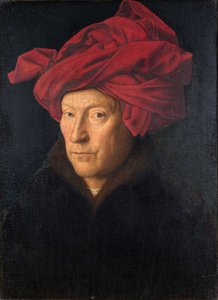
1390 - 1441 , Țările de Jos

Descoperă top 10 capodopere ale picturii netherlandeze timpurii! Jan van Eyck, Robert Campin și alți maeștri renascentiști. Află poveștile din spatele simbolismului bogat și tehnicilor inovatoare. Reproduceri de artă de calitate muzeală pe Most-Famous-Paintings.com.

Explore the revolutionary art of Jan van Eyck! Discover his groundbreaking oil painting techniques, hidden symbolism, and lasting impact on the Early Netherlandish Renaissance. A deep dive for art enthusiasts.
Descoperă cele mai frumoase 25 de picturi ale lui Rembrandt van Rijn! Explorează capodopere baroce, portrete emoționante și peisaje iconice. Reproduceri de artă de calitate muzeală pentru un design interior rafinat. Descoperă toate operele pe Most-Famous-Paintings.com!

Descoperiți 10 capodopere ale Renașterii Netherlandeze timpurii! Jan van Eyck, Robert Campin și alți maeștri. Reproduceri de tablouri de lux pentru un decor artistic unic. Explorează colecția completă pe Most-Famous-Paintings.com

Explore the Northern Renaissance! Discover Jan van Eyck's innovations, religious shifts, & key artists of this influential period. Expert analysis and insights into Early Netherlandish painting at Most-Famous-Paintings.


Rămâneți la curent cu cele mai recente știri din lumea artei, ofertele noastre exclusive și ideile de decor.
Spuneți-ne despre proiectul dumneavoastră, iar experții noștri în artă vă vor oferi 3 sugestii personalizate.
Vom selecta 3 opțiuni special pentru tine – Gratuit!


 Previzualizare
 Trimite
 Distribuie
 Detalii despre lucrare

 Descarcă
 Produse similare
 Radiografie
 Diapozitive automate
 Vezi mai mult







 Opțiunea cu sticlă este disponibilă doar pentru dimensiuni de sub 110 cm


