x

 Oil On PanelEarly Netherlandish Renaissance
 1437Renaissance
 27.0 x 21.0 cm
 Galeria de Picturi Vechi Alte Meister
Pictură în ulei pe pânză, pictată manual, la dimensiunea și ramele dorite de dumneavoastră, realizată la comandă de artiștii noștri. ( Comandă versiunea tipărită Comută la imagine)





























Alegeți dintre dimensiunile noastre prestabilite, care respectă proporțiile originale ale operei de artă.

Puteți introduce propriile dimensiuni pentru a se potrivi unui anumit cadru sau spațiu. Dacă dimensiunea selectată nu corespunde proporțiilor imaginii originale, vom decupa opera de artă sau vom extinde pictura cu elemente suplimentare pictate manual. O simulare digitală vă va fi trimisă pentru aprobare înainte de începerea producției.
Vă rugăm să rețineți că previzualizarea de pe ecran nu reflectă decuparea sau extinderea reală. Doar macheta va arăta cu exactitate compoziția finală.
Deși sunt disponibile dimensiuni personalizate, vă recomandăm să selectați o dimensiune din lista predefinită pentru a păstra proporțiile originale.
Livrare în întreaga lume () în 3-4 săptămâni, în loc de cele 5 săptămâni standard. (5 August). Fără compromisuri în ceea ce privește calitatea.


Small Triptych
Dimensiuni reproducere
In the quiet corners of art history, few works command as much reverence through their sheer intimacy as Jan van Eyck’s Small Triptych. Created in 1437, this diminutive masterpiece—measuring a mere 27 x 21 cm—defies its small scale by offering an expansive window into the divine. At first glance, the viewer is drawn into a sacred tableau: the Virgin Mary cradling the Christ Child within a richly detailed church interior. The scene is not merely a depiction of religious figures but a profound meditation on presence and grace. Beside them, the presence of St. Michael and a kneeling donor figure invites us into a private moment of prayer, bridging the gap between the earthly realm and the celestial. For the collector or lover of fine art, this piece represents the pinnacle of Early Netherlandish devotion, where every millimeter of the panel is saturated with spiritual intent.
The emotional resonance of the work lies in its ability to make the monumental feel personal. There is a tender, almost palpable warmth in the way the light falls across Mary’s serene countenance, a testament to Van Eyck's unparalleled ability to capture human emotion through a divine lens. To gaze upon this triptych is to participate in a centuries-old tradition of contemplation. It is an ideal centerpiece for a curated space, offering a sense of historical depth and quiet sophistication that can anchor a room, whether placed in a sunlit study or a formal gallery setting.
What truly elevates this triptych above its contemporaries is the revolutionary technique employed by Jan van Eyck. As a pioneer of the oil painting medium, Van Eyck moved away from the flatter, more opaque qualities of tempera to embrace the translucent possibilities of oil. This allowed him to employ meticulous glazing—layering thin, transparent skins of pigment to build up a depth of color that seems to glow from within. When observing a high-quality reproduction, one can truly appreciate the subtle gradations of shadow and the brilliant, jewel-like luminosity of the textures. The artist’s hand is visible in the breathtaking realism of the fabrics, the soft skin tones, and the intricate architectural details of the background.
This mastery of light serves a symbolic purpose as much as a technical one. In the 15th century, light was often viewed as a metaphor for the divine presence; by manipulating light through oil, Van Eyck literally brought the "light of God" into the physical world. The bronze frames, inscribed with Latin lettering, further reinforce this connection to medieval theological thought, acting as a threshold between our world and the sacred narrative contained within the panels. For interior designers, the interplay of these rich textures and deep, luminous tones provides an exquisite opportunity to introduce classical elegance and a sense of timelessness into modern decor.
Owning or displaying a reproduction of the Small Triptych is more than an aesthetic choice; it is an engagement with one of the most significant turning points in Western art. This work marks the moment when realism began to merge with mysticism, creating a visual language that would influence generations of painters. The composition, carefully orchestrated to guide the eye from the donor's humble plea to the radiant Christ Child, remains a masterclass in narrative flow and iconographic complexity.
Whether you are an art historian captivated by the technical innovations of the Flemish Primitives or a decorator seeking to infuse a space with a sense of quiet majesty, this triptych offers endless inspiration. It stands as a testament to the idea that true greatness is not measured by physical dimensions, but by the depth of the soul captured upon the panel. A hand-painted reproduction of such a masterpiece allows the splendor of Van Eyck’s vision to reside within your own home, serving as a permanent reminder of the beauty found in the smallest, most sacred details.

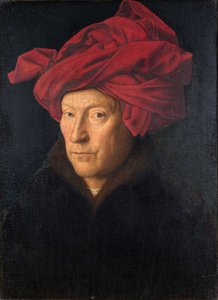
1390 - 1441 , Țările de Jos

Descoperă top 10 capodopere ale picturii netherlandeze timpurii! Jan van Eyck, Robert Campin și alți maeștri renascentiști. Află poveștile din spatele simbolismului bogat și tehnicilor inovatoare. Reproduceri de artă de calitate muzeală pe Most-Famous-Paintings.com.
Descoperă cele mai frumoase 25 de tablouri Vincent van Gogh! Explorează istoria, emoția și tehnicile artistului impresionist. Reproduceri de artă de calitate muzeală pentru decorațiuni interioare excepționale pe Most-Famous-Paintings.com.

Explore the revolutionary art of Jan van Eyck! Discover his groundbreaking oil painting techniques, hidden symbolism, and lasting impact on the Early Netherlandish Renaissance. A deep dive for art enthusiasts.

Descoperiți 10 capodopere ale Renașterii Netherlandeze timpurii! Jan van Eyck, Robert Campin și alți maeștri. Reproduceri de tablouri de lux pentru un decor artistic unic. Explorează colecția completă pe Most-Famous-Paintings.com

Explore the captivating world of Early Netherlandish painting! Discover Jan van Eyck & other Flemish masters, their revolutionary techniques, hidden symbolism, and lasting legacy. A comprehensive guide for art enthusiasts.


Rămâneți la curent cu cele mai recente știri din lumea artei, ofertele noastre exclusive și ideile de decor.
Spuneți-ne despre proiectul dumneavoastră, iar experții noștri în artă vă vor oferi 3 sugestii personalizate.
Vom selecta 3 opțiuni special pentru tine – Gratuit!


 Trimite prin felicitare
 Distribuie
 Detalii

 Descarcă imaginea
 Produse similare
 Galerie foto
 Citește mai mult







 Opțiunea cu sticlă este disponibilă doar pentru dimensiuni sub 110 cm