


x

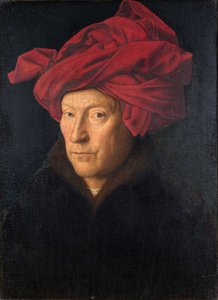
 Ulei pe panou rigidEarly Netherlandish Painting
 1432Renașterea
 12.0 x 19.0 cm
Achiziționați o imagine digitală de înaltă rezoluție, îmbunătățită, mult superioară previzualizării online.
Fiecare fișier este pregătit cu meticulozitate de specialiștii noștri interni, utilizând instrumente avansate și retușare manuală expertă. Ne asigurăm că fiecare imagine beneficiază de o claritate excepțională, o acuratețe precisă a culorilor și detalii fine.
Fișierul final este livrat prin e-mail în termen de 72 de ore, optimizat pentru utilizare imediată în medii profesionale, editoriale și de imprimare. Aceasta este aceeași calitate în care au încredere studiouri de design, edituri și galerii de top.
Descărcați un fișier la rezoluție înaltă pentru afișare personală, imprimare și proiecte creative. ( Comandă printul Comandă pictură lucrată manual)
Când alegeți Most-Famous-Paintings.com, nu primiți doar o simplă imagine – primiți o operă de artă digitală îmbunătățită profesional, creată cu precizie și susținută de o garanție de satisfacție. Iată tot ceea ce primești odată cu comanda ta, în mod automat:

Fișierul imaginii digitale la rezoluție înaltă vă va fi trimis prin e-mail în termen de 72 de ore de la finalizarea comenzii – gata pentru utilizare imediată.

Opera ta de artă este optimizată profesional prin intermediul unor instrumente AI avansate și al editării manuale, asigurând un nivel maxim de detalii, claritate și acuratețe a culorilor.

Ai șters sau ai pierdut din greșeală fișierul? Nu îți face griji – ți-l vom retrimite oricând, gratuit.

Bucură-te instant de noua ta operă de artă, fără taxe vamale, taxe de import sau costuri de livrare – descărcările digitale sunt întotdeauna fără taxe.

Asigurăm o reflectare cât mai fidelă a culorilor originale în imaginea ta digitală, prin utilizarea unor instrumente profesionale și a proceselor de gestionare a culorii.

Dacă nu sunteți mulțumit de imaginea digitală achiziționată, o vom revizui sau vă vom returna 100% în termen de 60 de zile – fără nicio explicație necesară.

Nu ești mulțumit? Obține o rambursare completă în termen de 60 de zile de la primirea fișierului tău digital – fără întrebări.

Cumpără 3 imagini, economisește 10% - Cumpără 5, economisește 15% - Cumpără 10+, economisește 20%. Ideal pentru proiecte creative, galerii și agenții.
Jan van Eyck’s St. Jerome in His Study, a remarkably intimate oil painting from 1432, isn't merely a depiction of a saint; it’s a meticulously crafted window into the mind and world of a Renaissance scholar. Measuring just over 12 by 19 centimeters, this diminutive panel commands attention not through its size, but through the sheer density of detail and the profound sense of quiet contemplation it evokes. The scene unfolds within a warmly lit study, dominated by the figure of St. Jerome himself – a man deeply absorbed in his work, surrounded by the tools and trappings of intellectual life. It’s a space both familiar and utterly captivating, inviting us to share in his solitary pursuit of knowledge.
Van Eyck's genius lies not just in his technical prowess—the astonishing realism achieved through his revolutionary use of oil paint—but also in his ability to imbue the scene with layers of symbolic meaning. The composition is carefully balanced, drawing our eye from the saint’s focused expression to the meticulously rendered objects that populate his study. Each element contributes to a narrative of faith, learning, and the quiet dignity of intellectual labor.
To truly appreciate St. Jerome in His Study, one must acknowledge the groundbreaking techniques employed by Van Eyck. He was a pioneer in the application of oil paint on panel, a medium that allowed for unprecedented levels of detail, luminosity, and textural richness. Unlike tempera paints which dry quickly and create a matte finish, oils could be manipulated slowly, building up layers of color and creating subtle gradations of tone. This painstaking process is evident in every brushstroke—the delicate rendering of the folds in Jerome’s robes, the intricate details of the books and instruments on his desk, and the soft glow of light illuminating the scene.
Van Eyck's mastery extends to his use of *sfumato*, a technique borrowed from the East, which creates an atmospheric haze around objects, softening edges and lending a sense of depth. This is particularly noticeable in the background, where the study appears slightly blurred, drawing our attention to the central figure and his immediate surroundings. The painting’s colors are rich and vibrant—deep reds, blues, and greens—but applied with remarkable restraint, creating a harmonious and balanced palette.
Beyond its technical brilliance, St. Jerome in His Study is a treasure trove of symbolism. The lion at the saint’s feet, a recurring motif in his legend, represents his triumph over wild beasts—both literal and metaphorical, symbolizing his ability to subdue temptation and maintain faith. The open books suggest his dedication to biblical scholarship, while the astrolabe and other instruments reflect his interest in astronomy and mathematics – subjects closely linked to theology during the Renaissance.
The hourglass, a potent symbol of mortality, reminds us of the fleeting nature of time and the importance of dedicating one’s life to virtuous pursuits. Even the simple gesture of Jerome's hand—holding a quill pen poised above his work— speaks volumes about his commitment to intellectual labor. The inclusion of a small jar labeled “TYRIRICA,” an antidote to snakebite, hints at the saint’s struggles against temptation and his reliance on divine grace.
St. Jerome in His Study stands as a pivotal work in the history of art, marking a crucial transition from the Gothic to the Renaissance style. Van Eyck's innovations with oil paint profoundly influenced subsequent generations of artists, paving the way for the development of Northern European painting and shaping the course of Western art. Alongside works like *The Ghent Altarpiece* and *Isabella Borluut*, this intimate portrait offers a profound insight into the mind of a master craftsman and a testament to the enduring power of symbolism in visual storytelling.

1390 - 1441 , Țările de Jos


Rămâneți la curent cu cele mai recente știri din lumea artei, ofertele noastre exclusive și ideile de decor.
Spuneți-ne despre proiectul dumneavoastră, iar experții noștri în artă vă vor oferi 3 sugestii personalizate.
Vom selecta 3 opțiuni special pentru tine – Gratuit!


 Previzualizare
 Trimite
 Distribuie
 Detalii despre lucrare

 Descarcă
 Produse similare
 Radiografie
 Diapozitive automate
 Vezi mai mult


