x

 Ulei pe pânzăArtă pentru pereteRealist Portraiture
 1886
1886 162.0 x 134.0 cm
 Muzeul Național de Artă Nelson-Atkins
Printuri giclée sau pe canvas de calitate muzeală, cu proces de producție rapid și opțiuni flexibile de finisare. ( Comandă pictură lucrată manual Cumpără imaginea)





























Alegeți dintre dimensiunile noastre prestabilite, care respectă proporțiile originale ale operei de artă.

Puteți introduce propriile dimensiuni pentru a se potrivi unui anumit cadru sau spațiu. Dacă dimensiunea selectată nu corespunde proporțiilor imaginii originale, vom decupa lucrarea de artă sau vom extinde imaginea cu margini oglindite sau cu o culoare uniformă. Un mockup digital va fi trimis pentru aprobarea dumneavoastră înainte de începerea producției.
Vă rugăm să rețineți că previzualizarea de pe ecran nu reflectă decuparea sau extinderea reală. Doar mockup-ul va arăta cu exactitate compoziția finală.
Deși dimensiunile personalizate sunt disponibile, vă recomandăm să selectați o dimensiune din lista predefinită pentru a păstra proporțiile originale.
Livrare în întreaga lume () în 2 săptămâni, în loc de cele 4/5 săptămâni standard. (19 August)


Mrs. Cecil Wade
Dimensiune reproducere
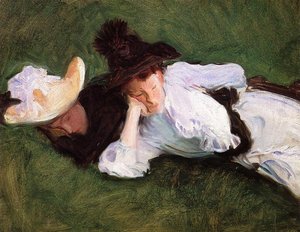
John Singer Sargent's Mrs. Cecil Wade, painted in 1886 and now residing within the hallowed halls of the Nelson-Atkins Museum of Art, is more than simply a portrait; it’s a meticulously crafted distillation of the Gilded Age’s aesthetic ideals. The painting immediately draws the eye to its subject – Mrs. Cecil Wade herself – a woman radiating an understated elegance that speaks volumes about her social standing and inner composure. Sargent's masterful use of light and shadow, characteristic of his Impressionistic leanings tempered by Realist precision, creates a luminous quality around Mrs. Wade, highlighting the delicate texture of her dress and the subtle curve of her hands clasped together in a gesture of quiet contemplation.
The scene unfolds within what appears to be a comfortably appointed living room or perhaps a refined dining area. The arrangement – a plush bench, strategically placed chairs, a table adorned with a vase holding fresh blooms, and a potted plant adding a touch of verdant life – speaks to an atmosphere of cultivated domesticity. These details aren’t merely decorative; they contribute significantly to the painting's narrative, suggesting a woman accustomed to luxury and surrounded by objects of beauty. Sargent doesn’t simply depict a room; he constructs a carefully considered tableau that reinforces Mrs. Wade’s position within a world of privilege.
Sargent's technique is immediately apparent in the loose, almost shimmering brushstrokes that define the fabric of Mrs. Wade’s dress. He employs a broken color technique, layering thin washes of paint to create an illusion of depth and movement – particularly noticeable in the lace detailing. This approach, combined with his ability to capture fleeting moments of light, imbues the portrait with a remarkable sense of immediacy. The composition itself is remarkably balanced; the diagonal line created by the bench anchors the eye while allowing the gaze to drift across the room, absorbing the details and nuances of the setting.
Notably, Sargent avoids overly dramatic poses or theatrical lighting, opting instead for a direct gaze that engages the viewer directly. This intimacy is further enhanced by his skillful rendering of Mrs. Wade’s face – her expression serene yet subtly intelligent, hinting at a complex inner life. The careful attention to detail in her eyes, the delicate curve of her lips, and the subtle play of light on her skin all contribute to a portrait that feels remarkably alive.
Mrs. Cecil Wade is deeply rooted within the context of late 19th-century America – a period often referred to as the Gilded Age, characterized by immense wealth, rapid industrialization, and a burgeoning sense of social ambition. Sargent’s portraits were frequently commissioned by wealthy industrialists and prominent figures, serving not only as visual representations but also as symbols of their status and influence. The painting reflects this societal preoccupation with appearances and the importance of maintaining a carefully constructed image.
Furthermore, Mrs. Wade herself represents a specific archetype of women during this era: a cultivated lady of leisure, comfortable in her social circle and possessing an air of quiet dignity. Her attire – the white dress, lace detailing, and elegant updo – are all hallmarks of fashionable style at the time, reflecting the prevailing trends in Parisian couture. Sargent’s ability to capture this essence with such precision underscores his understanding of both artistic technique and the social dynamics of his era.
Beyond its technical brilliance and historical significance, Mrs. Cecil Wade possesses a profound emotional resonance. The painting evokes a sense of tranquility and understated beauty – a quiet moment captured in time. It’s not a portrait that shouts for attention; rather, it invites the viewer to pause, observe, and contemplate the subject's inner world. Sargent’s work continues to captivate audiences today, demonstrating his enduring legacy as one of the most influential artists of the 19th century.
A high-quality reproduction of Mrs. Cecil Wade offers a remarkable opportunity to bring this exquisite artwork into your home or office. Its timeless elegance and evocative atmosphere will undoubtedly serve as a source of inspiration and a testament to the enduring power of Sargent’s artistic vision.


1856 - 1925 , Italia

Explore the profound impact of 19th-century Realism. Discover how masters like Gustave Courbet rejected idealism to capture the raw truth of contemporary life through direct observation and social commentary in this expert art history guide.


Rămâneți la curent cu cele mai recente știri din lumea artei, ofertele noastre exclusive și ideile de decor.
Spuneți-ne despre proiectul dumneavoastră, iar experții noștri în artă vă vor oferi 3 sugestii personalizate.
Vom selecta 3 opțiuni special pentru tine – Gratuit!


 Previzualizare
 Trimite
 Distribuie
 Detalii despre lucrare

 Descarcă
 Produse similare
 Radiografie
 Diapozitive automate
 Vezi mai mult







 Opțiunea cu sticlă este disponibilă doar pentru dimensiuni de sub 110 cm