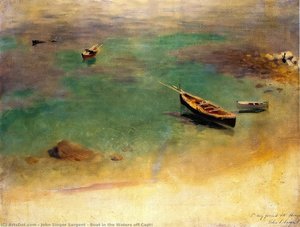
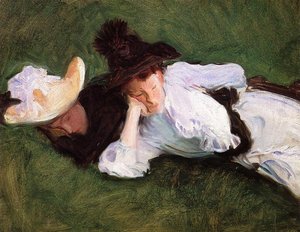
x

Pictură în ulei pe pânză, realizată manual de artiștii noștri la dimensiunea și ramele dorite de dumneavoastră, pe comandă. ( Comandă printul Cumpără imaginea)





























Alegeți dintre dimensiunile noastre prestabilite, care respectă proporțiile originale ale operei de artă.

Puteți introduce propriile dimensiuni pentru a se potrivi unui anumit cadru sau spațiu. Dacă dimensiunea selectată nu corespunde proporțiilor imaginii originale, vom decupa opera de artă sau vom extinde pictura cu elemente suplimentare pictate manual. O simulare digitală vă va fi trimisă pentru aprobare înainte de începerea producției.
Vă rugăm să rețineți că previzualizarea de pe ecran nu reflectă decuparea sau extinderea reală. Doar macheta va arăta cu exactitate compoziția finală.
Deși sunt disponibile dimensiuni personalizate, vă recomandăm să selectați o dimensiune din lista predefinită pentru a păstra proporțiile originale.
Livrare în întreaga lume () în 3-4 săptămâni, în loc de cele 5 săptămâni standard. (16 August). Fără compromisuri în ceea ce privește calitatea.


The Peat Baker
Dimensiune reproducere
John Singer Sargent's "The Peat Baker," painted in 1885, is not merely a portrait; it’s a carefully constructed tableau of quiet intensity. The painting immediately draws the viewer into a dimly lit room, dominated by a man bent low over his work – a baker meticulously preparing loaves of bread. This seemingly simple scene unfolds within a rich tapestry of observation and subtle symbolism, revealing Sargent's masterful control of light, shadow, and psychological depth. The piece offers a glimpse into the domestic life of the late 19th century, yet it transcends its immediate subject matter to become a meditation on labor, solitude, and the quiet dignity of everyday existence.
Sargent’s technique is immediately apparent in the painting's remarkable use of chiaroscuro – the dramatic contrast between light and dark. The room is plunged into a deep, almost velvety darkness, punctuated by shafts of light that illuminate the baker’s face, hands, and the partially visible loaves on his table. This masterful manipulation of light not only creates a sense of realism but also imbues the scene with an atmosphere of mystery and introspection. Sargent employed loose, expressive brushstrokes, particularly in rendering the textures of the bread and the man's clothing, adding to the painting’s tactile quality. The subtle gradations of tone suggest a deep understanding of how light interacts with surfaces – a skill honed through years of studying the masters of Venetian painting.
Beyond its realistic depiction, “The Peat Baker” is laden with symbolic meaning. The baker himself represents the backbone of society—the essential worker who provides sustenance and comfort. His bowed posture suggests a life of tireless labor, yet his face retains an air of quiet pride. The dark room symbolizes introspection and perhaps even isolation; he’s removed from the bustle of daily life, lost in his craft. The two chairs in the background, one slightly to the right and another closer to the center, could represent companionship or simply the remnants of a past conversation, hinting at a solitary existence. Even the “peat” in the title – referring to fuel used for baking – subtly connects the scene to the harsh realities of rural life.
Painted during a period of rapid social change in Europe, "The Peat Baker" reflects Sargent's growing interest in capturing the nuances of everyday life. He had spent considerable time in Brittany, France, immersing himself in the lives of rural communities. This experience profoundly influenced his artistic vision, moving him away from the grand salon portraits that initially defined his career and towards a more intimate and psychologically complex style. Sargent’s shift can be seen as a response to the burgeoning realist movement, while simultaneously retaining his own distinctive flair for elegance and composition. The painting stands as a pivotal work in Sargent's development, demonstrating his ability to infuse social commentary into seemingly simple scenes.
“The Peat Baker” is not a cheerful or overtly celebratory image; rather, it evokes a profound sense of quiet contemplation. The painting’s subdued palette, coupled with the man's solitary posture, creates an atmosphere of melancholy and introspection. Yet, there’s also a subtle dignity in his work—a testament to the value of honest labor. It is this carefully balanced combination of emotion and observation that makes “The Peat Baker” such a compelling and enduring masterpiece, inviting viewers to consider the quiet beauty and hidden depths within the ordinary moments of life.

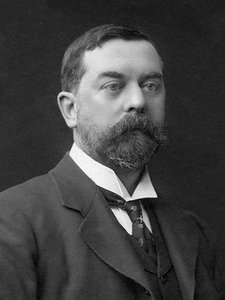
1856 - 1925 , Italia

Descoperă cele mai frumoase 25 de picturi ale lui John Singer Sargent! Portrete elegante, acuarele rafinate și capodopere impresioniste. Află povestea fiecărei opere și găsește inspirație pentru decorul casei tale pe Most-Famous-Paintings.com.

Descoperă top 10 picturi celebre dominate de alb, de la Monet la Kandinsky! Explorează istoria artei, tehnicile artistice și frumusețea atemporală a capodoperelor clasice. Reproduceri de calitate muzeală pe Most-Famous-Paintings.com – inspiră-ți decorul!
Descoperă cele mai frumoase 25 de picturi ale lui John Constable, maestru al peisajului englezesc! Explorează stilul romantic, Dedham Vale și capodopere precum The Hay Wain. Reproduceri artă clasică pentru decorul casei tale – Most-Famous-Paintings.com.

Explore the life & art of John Singer Sargent, premier portraitist of the Gilded Age. Discover his Impressionistic masterpieces, technical brilliance, and enduring legacy. Expert insights for collectors.

Descoperă Top 10 tablouri celebre dominate de negru! Explorează istoria, simbolismul și tehnicile artistice ale unor opere iconice de Rembrandt, Goya și alți maeștri. Reproduceri de artă de calitate muzeală pe Most-Famous-Paintings.com – inspiră-ți decorul!


Rămâneți la curent cu cele mai recente știri din lumea artei, ofertele noastre exclusive și ideile de decor.
Spuneți-ne despre proiectul dumneavoastră, iar experții noștri în artă vă vor oferi 3 sugestii personalizate.
Vom selecta 3 opțiuni special pentru tine – Gratuit!


 Previzualizare
 Trimite
 Distribuie
 Detalii despre lucrare

 Descarcă
 Produse similare
 Radiografie
 Diapozitive automate


 Vezi mai mult







 Opțiunea cu sticlă este disponibilă doar pentru dimensiuni de sub 110 cm