x

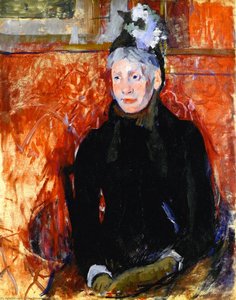
 PaintingTransvanguardia
 1984Contemporary
 219.0 x 212.0 cm
 Culturgest - Fundação Caixa Geral de Depósitos
Achiziționați o imagine digitală de înaltă rezoluție, îmbunătățită, mult superioară previzualizării online.
Fiecare fișier este pregătit cu meticulozitate de specialiștii noștri interni, utilizând instrumente avansate și retușare manuală expertă. Ne asigurăm că fiecare imagine beneficiază de o claritate excepțională, o acuratețe precisă a culorilor și detalii fine.
Fișierul final este livrat prin e-mail în termen de 72 de ore, optimizat pentru utilizare imediată în medii profesionale, editoriale și de imprimare. Aceasta este aceeași calitate în care au încredere studiouri de design, edituri și galerii de top.
Descărcați un fișier la rezoluție înaltă pentru afișare personală, imprimare și proiecte creative. ( Comandă printul Comandă pictură lucrată manual)
Când alegeți Most-Famous-Paintings.com, nu primiți doar o simplă imagine – primiți o operă de artă digitală îmbunătățită profesional, creată cu precizie și susținută de o garanție de satisfacție. Iată tot ceea ce primești odată cu comanda ta, în mod automat:

Fișierul imaginii digitale la rezoluție înaltă vă va fi trimis prin e-mail în termen de 72 de ore de la finalizarea comenzii – gata pentru utilizare imediată.

Opera ta de artă este optimizată profesional prin intermediul unor instrumente AI avansate și al editării manuale, asigurând un nivel maxim de detalii, claritate și acuratețe a culorilor.

Ai șters sau ai pierdut din greșeală fișierul? Nu îți face griji – ți-l vom retrimite oricând, gratuit.

Bucură-te instant de noua ta operă de artă, fără taxe vamale, taxe de import sau costuri de livrare – descărcările digitale sunt întotdeauna fără taxe.

Asigurăm o reflectare cât mai fidelă a culorilor originale în imaginea ta digitală, prin utilizarea unor instrumente profesionale și a proceselor de gestionare a culorii.

Dacă nu sunteți mulțumit de imaginea digitală achiziționată, o vom revizui sau vă vom returna 100% în termen de 60 de zile – fără nicio explicație necesară.

Nu ești mulțumit? Obține o rambursare completă în termen de 60 de zile de la primirea fișierului tău digital – fără întrebări.

Cumpără 3 imagini, economisește 10% - Cumpără 5, economisește 15% - Cumpără 10+, economisește 20%. Ideal pentru proiecte creative, galerii și agenții.

In the landscape of Brazilian contemporary art, few voices resonate with as much profound vulnerability and quiet strength as that of José Leonilson Bezerra Dias. Born in Fortaleza in 1957, Leonilson’s life and work were inextricably linked to the shifting political and social tides of Brazil. Moving to São Paulo as a child, he came of age during the twilight of the military dictatorship, a period that fostered a burgeoning sense of individual expression and a rediscovered "joy of painting" among the 1980s generation. Yet, while his contemporaries often engaged in loud, political critiques, Leonilson chose a different path—one of radical introspection. His art did not shout; it whispered, creating a private diary of existence that was simultaneously deeply personal and universally poignant.
Leonilson’s formal education provided the technical foundation for his later conceptual explorations. Studying at the Fundação Armando Álvares Penteado (FAAP) between 1977 and 1980, he was mentored by titans of Brazilian art such as Julio Plaza and Nelson Leirner. From Plaza, he absorbed the theoretical complexities of new mediums and the conceptual weight behind materiality; from Leirner, he learned the power of allegory. His time at the Aster Art School under Dudi Maia Rosa further refined his sensitivity to watercolor and the delicate interplay of light and form. These influences coalesced into a style that was deceptively simple, characterized by an elegant restraint that masked a turbulent emotional depth.
The trajectory of Leonilson’s career underwent a seismic shift in 1991, following his diagnosis with HIV. This moment of profound personal crisis transformed his artistic language, moving him away from traditional painting toward the more tactile, intimate medium of embroidery and textile work. As he faced the encroaching reality of death, his work became a metaphysical rumination on the body, loss, and the queer experience. He began to use thread as a tool for mapping both physical and emotional landscapes, creating pieces that functioned as body mappings—delicate, stitched chronicles of a life being lived in the shadow of an epidemic.
His use of textiles allowed him to explore themes that were often too fragile for the canvas. Through meticulous embroidery, he wove together a lexicon of symbols and text, turning domestic crafts into high-concept art. These works addressed:
Though his life was tragically short—ending in 1993 at the age of 36—Leonilson’s impact on the global art stage is monumental. He successfully adapted the political discourse of a global epidemic into a deeply personal, existential narrative that transcends borders. His ability to blend Brazilian vernacular traditions with international conceptual practices has earned him a permanent place in the world's most prestigious institutions. Today, his works are held in the collections of the Tate Modern in London, the Museum of Modern Art (MoMA) in New York, and the Centre National d’Art et de Culture Georges-Pompidou in Paris.
Leonilson remains a seminal figure because he dared to make the private public. In an era often defined by grand gestures, his commitment to the small, the delicate, and the intensely personal serves as a testament to the power of the individual spirit. His legacy continues to breathe through his embroideries and drawings, reminding us that even in the face of profound grief, there is a profound beauty to be found in the act of witnessing one's own existence.

1957 - 1993 , Brazil


Rămâneți la curent cu cele mai recente știri din lumea artei, ofertele noastre exclusive și ideile de decor.
Spuneți-ne despre proiectul dumneavoastră, iar experții noștri în artă vă vor oferi 3 sugestii personalizate.
Vom selecta 3 opțiuni special pentru tine – Gratuit!


 Previzualizare
 Trimite
 Distribuie
 Detalii despre lucrare

 Descarcă
 Produse similare
 Radiografie
 Diapozitive automate
 Vezi mai mult