Vinde opere de artă
Lista de dorințe Coș de cumpărături Cart
PrevizualizarePrevizualizare Previzualizare ARPrevizualizare AR Comandă pictură lucrată manual Comandă pictură lucrată manualCumpără imaginea Cumpără imaginea TrimiteTrimite
Detalii despre lucrareDetalii despre lucrare Adaugă la favorite Adaugă la favorite DescarcăDescarcă Produse similareProduse similare RadiografieRadiografie Diapozitive automateDiapozitive automate

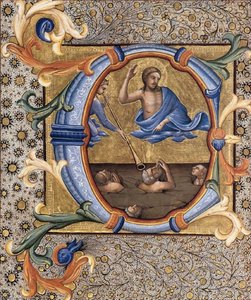
Antiphonary (Cod. Cor. 8, folio 102)

Explore Lorenzo Monaco's 'Antiphonary (Cod. Cor. 8, folio 102),' a stunning 1395 tempera masterpiece blending Gothic & Renaissance styles. Witness devotion in art!

Descoperă Lorenzo Monaco (1370-1425), pictor florentin care unește eleganța gotică și începuturile Renașterii italienești! Explorează operele sale spirituale, manuscrise iluminate și stilul său unic.

Giclée / Imprimare artistică

Printuri giclée sau pe canvas de calitate muzeală, cu proces de producție rapid și opțiuni flexibile de finisare. (Comandă pictură lucrată manual Comandă pictură lucrată manualCumpără imaginea Cumpără imaginea)

Standard
custom
CM
INCH

Alegeți dintre dimensiunile noastre prestabilite, care respectă proporțiile originale ale operei de artă.

lățime
înălțime

Puteți introduce propriile dimensiuni pentru a se potrivi unui anumit cadru sau spațiu. Dacă dimensiunea selectată nu corespunde proporțiilor imaginii originale, vom decupa lucrarea de artă sau vom extinde imaginea cu margini oglindite sau cu o culoare uniformă. Un mockup digital va fi trimis pentru aprobarea dumneavoastră înainte de începerea producției.
Vă rugăm să rețineți că previzualizarea de pe ecran nu reflectă decuparea sau extinderea reală. Doar mockup-ul va arăta cu exactitate compoziția finală.
Deși dimensiunile personalizate sunt disponibile, vă recomandăm să selectați o dimensiune din lista predefinită pentru a păstra proporțiile originale.

Livrare în întreaga lume () în 2 săptămâni, în loc de cele 4/5 săptămâni standard. (17 August)

why_choose_icon
Livrare expres gratuită la nivel mondial
why_choose_icon
Pânză de in de înaltă calitate
why_choose_icon
Asigurare completă pentru transport
why_choose_icon
Garanție de rambursare a taxelor vamale
why_choose_icon
Garanția fidelității culorilor
why_choose_icon
Politica de retur în 60 de zile (doar pentru defecte)
why_choose_icon
Garanție de rambursare 100%
why_choose_icon
Ofertă pentru comenzi multiple

Preț total

$ 68

reproduction

Antiphonary (Cod. Cor. 8, folio 102)

Giclée / Imprimare artistică

Dimensiune reproducere

-

Preț total calculat

$ 68

Informații rapide

  • Movement: Early Renaissance
  • Title: Antiphonary (Cod. Cor. 8, folio 102)
  • Location: Staatliche Museen zu Berlin
  • Influences:
    • Byzantine art
    • Giotto
  • Medium: Tempera on parchment
  • Year: 1395
  • Artist: Lorenzo Monaco

Test de cultură artistică

Fiecare întrebare are un singur răspuns corect.

Întrebare 1:
What is the approximate date of Lorenzo Monaco’s ‘Antiphonary (Cod. Cor. 8, folio 102)’?
Întrebare 2:
Which artistic movement is Lorenzo Monaco’s work most closely associated with?
Întrebare 3:
What material is primarily used in the creation of this illuminated manuscript page?
Întrebare 4:
The figure of Christ prominently featured in the artwork holds what symbolic object?
Întrebare 5:
What is a key characteristic of the artistic style evident in this manuscript illumination?

Descriere obiect de colecție

Antiphonary (Cod. Cor. 8, folio 102): A Glimpse into Renaissance Devotion

Lorenzo Monaco's "Antiphonary (Cod. Cor. 8, folio 102)," crafted in 1395, stands as a remarkable testament to the artistic and spiritual landscape of early Renaissance Italy. Housed within the esteemed Staatliche Museen zu Berlin, this tempera masterpiece offers a profound window into the devotional practices and aesthetic sensibilities of the era.

Artistic Composition and Symbolism

The painting centers on Jesus Christ, depicted with striking detail and imbued with an aura of serenity. He holds a book, a potent symbol representing divine knowledge and wisdom, his gaze directed downwards in contemplation of its sacred text. The figure's long hair and flowing red robe contribute to the overall sense of reverence and introspection. While other figures are present in the background, they remain secondary to Christ’s central role. The composition is elegantly framed by an ornate border, enhancing the visual appeal and emphasizing the artwork's importance.

  • Christ Figure: Represents divine knowledge and wisdom through the book he holds, embodying introspection and reverence.
  • Red Robe: Symbolizes Christ’s sacrifice and passion.
  • Ornate Border: Highlights the artwork's significance and adds to its aesthetic beauty.

Historical Context and Artistic Style

Lorenzo Monaco (1370-1425), born Piero di Giovanni in Siena, was a pivotal figure bridging late Gothic and early Renaissance art. His style uniquely blended traditional Byzantine influences with emerging Renaissance techniques. He spent much of his career within the Camaldolese monastery of Santa Maria degli Angeli, where he produced illuminated manuscripts like this antiphonary page. This work exemplifies Monaco’s ability to create pieces that reflected both periods, showcasing a transition in artistic styles and themes.

  • Early Renaissance Transition: Monaco's art embodies the shift from Gothic to Renaissance aesthetics.
  • Byzantine Influence: The artwork incorporates elements of Byzantine art, evident in its stylized figures and rich colors.
  • Monastic Life: Created within a monastic setting, reflecting religious devotion and artistic skill.

Technique and Materials

“Antiphonary (Cod. Cor. 8, folio 102)” is executed in tempera on parchment, a common medium for illuminated manuscripts of the period. The use of vibrant pigments creates a rich color palette dominated by warm tones – reds, golds, and browns – accented with blues and greens. The application of gold leaf adds luminosity and enhances the spiritual quality of the artwork. The meticulous line work and decorative ornamentation are characteristic of Gothic manuscript illumination.

  • Tempera Paint: A traditional medium for panel painting and manuscript illumination, known for its vibrant colors.
  • Parchment: The writing surface made from animal skin, providing a durable base for the artwork.
  • Gold Leaf: Used to create shimmering highlights and enhance the spiritual significance of the piece.

Emotional Impact and Legacy

“Antiphonary (Cod. Cor. 8, folio 102)” evokes a sense of profound devotion and reverence. The artwork’s meticulous detail, vibrant colors, and symbolic imagery invite contemplation and reflection on spiritual themes. As a bridge between medieval and Renaissance art, it offers valuable insights into the evolution of artistic expression and cultural values during a transformative period in European history.


Biografie artist

A Florentine Monk’s Vision: The World of Lorenzo Monaco

Lorenzo Monaco, born Piero di Giovanni around 1370 in Siena, occupies a fascinating and pivotal position in the transition from the Gothic grace of the Trecento to the burgeoning Renaissance ideals of the Quattrocento. Though biographical details remain scarce, his artistic journey reveals a compelling story of adaptation, innovation, and deeply felt spirituality. Apprenticed in Florence, he absorbed the lessons of masters like Giotto, Spinello Aretino, and Agnolo Gaddi – artists who established a foundation of narrative clarity and emotional resonance. However, it was his embrace of monastic life in 1390, joining the Camaldolese order at Santa Maria degli Angeli, that truly shaped both his artistic identity and earned him the name by which he is best known: Lorenzo Monaco, or “Lawrence the Monk.” This commitment to a contemplative existence profoundly influenced the character of his work, imbuing it with an introspective quality and a focus on devotional themes.

Early Influences and Gothic Elegance

Lorenzo Monaco’s formative years were steeped in the artistic traditions of Siena and Florence—a crucible where Gothic sensibilities mingled with nascent Renaissance impulses. His training under Giotto, Spinello Aretino, and Agnolo Gaddi instilled within him a profound understanding of narrative storytelling and emotional expression – techniques that would characterize his entire oeuvre. These masters championed clarity of form and psychological depth, prioritizing the conveyance of spiritual truth over mere visual spectacle. Monaco’s early paintings demonstrate this influence vividly; they are marked by refined elegance, delicate linearism, and a palette initially restrained in its chromatic range. The International Gothic style prevailed throughout Europe during this period, shaping Monaco's aesthetic sensibilities and informing his compositional choices. He skillfully incorporated elements of Ghiberti’s sculptural innovations and Starnina’s meticulous attention to detail, absorbing the stylistic refinements that signaled the waning days of the Trecento.

The Camaldolese Order and Artistic Transformation

Joining the Camaldolese order in 1390 proved to be a transformative experience for Monaco—a decision that irrevocably altered his artistic trajectory and cemented his reputation as “Lawrence the Monk.” This monastic vocation instilled within him a deep reverence for faith and contemplation, shaping not only his spiritual life but also the very essence of his art. Unlike many artists of his time who pursued worldly ambitions, Monaco dedicated himself to prayer and scholarship, prioritizing intellectual pursuits alongside artistic creation. The contemplative atmosphere of Santa Maria degli Angeli fostered an inner harmony that permeated his paintings—a subtle yet unmistakable resonance of monastic spirituality. This influence is particularly evident in his later works, where he eschewed flamboyant ornamentation for understated elegance and prioritized symbolic representation over literal depiction.

Stylistic Evolution: From Gothic to Quattrocento

Over time, Monaco’s artistic style underwent a gradual metamorphosis—reflecting the broader shifts occurring within Florentine art during the Quattrocento. While retaining the foundational principles of Gothic elegance—namely, elongated figures draped in sinuous garments and delicate linearism—he subtly incorporated elements that foreshadowed the Renaissance aesthetic. He embraced sharper edges and brilliant colors – particularly the luxurious hues of gold and lapis lazuli – a stylistic hallmark of the burgeoning Renaissance movement. Furthermore, Monaco’s use of light became increasingly sophisticated, capturing ethereal effects that conveyed spiritual illumination rather than merely illuminating form. His gestures are often understated, hinting at inner emotion rather than overtly displaying it—a characteristic that distinguishes him from many of his contemporaries who sought to impress viewers with grand spectacle. This stylistic evolution represents a crucial step in the artistic continuum, bridging the gap between Gothic tradition and Renaissance innovation.

Legacy: A Singular Voice Amidst Change

Lorenzo Monaco stands apart as one of the last significant exponents of Giotto’s style—preserving its legacy while simultaneously integrating elements that anticipate the transformative innovations championed by Masaccio and Filippo Brunelleschi in perspective and naturalism. He demonstrated that artistic excellence could flourish within established conventions, enriching them with individual expression and spiritual depth. Unlike many artists of his time who prioritized technical virtuosity above all else, Monaco consistently sought to convey profound theological narratives with clarity and grace—a testament to his unwavering commitment to faith and artistry. Giorgio Vasari recognized Monaco’s talent while acknowledging his untimely death from an unidentified infection around 1425—leaving behind a legacy that continues to inspire admiration for its refined elegance and spiritual resonance. His paintings remain invaluable windows into a pivotal moment in art history—a time of transition, experimentation, and the enduring power of faith expressed through artistic vision.
Lorenzo Monaco

Lorenzo Monaco

1370 - 1425 , Italia

Detalii rapide

  • Artistic Movement Or Style: Gótico internacional
  • Artists Or Movements Influenced By This Artist: ['Fra Angelico']
  • Artists Who Influenced This Artist:
    • Giotto
    • Spinello Aretino
    • Agnolo Gaddi
  • Date Of Birth: c. 1370
  • Date Of Death: c. 1425
  • Full Name: Lorenzo Monaco
  • Nationality: Italiano
  • Notable Artworks:
    • Pietà
    • Coronación de la Virgen
    • Adoración de los Magos
  • Place Of Birth: Siena, Italia
Explorați opere de artă organizate pe teme, stiluri și caracteristici.