x


Pictură în ulei pe pânză, pictată manual, la dimensiunea și ramele dorite de dumneavoastră, realizată la comandă de artiștii noștri. ( Comandă versiunea tipărită Comută pe imagine)





























Alegeți dintre dimensiunile noastre prestabilite, care respectă proporțiile originale ale operei de artă.

Puteți introduce propriile dimensiuni pentru a se potrivi unui anumit cadru sau spațiu. Dacă dimensiunea selectată nu corespunde proporțiilor imaginii originale, vom decupa opera de artă sau vom extinde pictura cu elemente suplimentare pictate manual. O simulare digitală vă va fi trimisă pentru aprobare înainte de începerea producției.
Vă rugăm să rețineți că previzualizarea de pe ecran nu reflectă decuparea sau extinderea reală. Doar macheta va arăta cu exactitate compoziția finală.
Deși sunt disponibile dimensiuni personalizate, vă recomandăm să selectați o dimensiune din lista predefinită pentru a păstra proporțiile originale.
Livrare în întreaga lume () în 3/4 săptămâni, în loc de cele 5 săptămâni standard. (31 Iulie). Fără compromisuri în ceea ce privește calitatea.


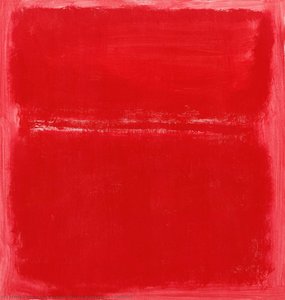
Landscape 1
Dimensiune reproducere
Mark Rothko’s “Landscape,” painted in 1960, stands as a testament to the artist's singular vision—a distillation of emotion into monumental blocks of color that transcend representational art altogether. More than just pigment on canvas, it embodies a profound engagement with philosophical questions concerning human experience and the elusive nature of reality.
Rothko’s distinctive style, dubbed “Color Field Painting,” emerged in the mid-1950s as a reaction against Abstract Expressionism's gestural dynamism. Instead of capturing movement or portraying recognizable subjects, Rothko sought to convey inner states—a feeling of solitude, contemplation, and perhaps even transcendence—through expansive areas of saturated hues. In “Landscape,” he employs predominantly crimson, orange, and yellow rectangles layered atop one another, creating a mesmerizing interplay of light and shadow.
The technique itself is deceptively simple: Rothko applied thin washes of pigment to the canvas surface, allowing for gradual blending and subtle shifts in tone. This process prioritized color harmony over precise detail, resulting in canvases that appear almost luminous from within. The artist famously described his method as “painting with feeling,” emphasizing the importance of intuition and emotional resonance.
Historically, Rothko’s work coincided with a period of intellectual ferment—the rise of existentialism championed by philosophers like Jean-Paul Sartre and Albert Camus. These thinkers wrestled with concepts of freedom, responsibility, and the absurdity of existence, mirroring the anxieties inherent in Rothko's artistic explorations. The landscape itself can be interpreted as representing not a specific place but rather an inner terrain—a space for confronting fundamental truths about human consciousness.
Symbolically, the colors employed in “Landscape” hold considerable significance. Crimson represents passion and vitality, while orange embodies warmth and optimism. Yellow symbolizes enlightenment and spiritual aspiration. These hues are deliberately juxtaposed to create a dynamic tension that reflects the complexities of human emotion. The overall effect is one of quiet contemplation—a suggestion that viewers should immerse themselves in the artwork’s visual rhythm and allow their own feelings to emerge.
“Landscape” continues to captivate audiences today with its ability to evoke powerful emotional responses. Its understated elegance and profound philosophical depth make it an ideal centerpiece for interior spaces seeking inspiration and conveying a sense of serenity. Reproductions of this iconic artwork offer collectors the opportunity to experience Rothko’s artistic legacy firsthand, preserving the artist's vision for generations to come.

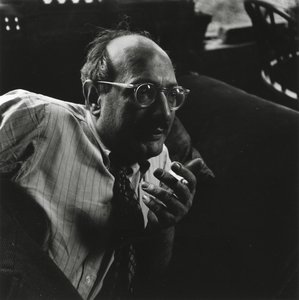
1903 - 1970 , Letonia

Explore the profound emotional depth of Mark Rothko's abstract expressionism. Discover the history, techniques & lasting impact of this pivotal Color Field painter. Expert insights for collectors and art enthusiasts.

Explore the captivating world of Color Field painting! Discover its origins, key artists like Rothko & Newman, philosophical depth, and lasting influence on modern art. Expert insights for collectors.

Explore the vibrant world of Gene Davis and the Washington Color School. Discover his iconic stripe paintings, innovative techniques, and lasting impact on American abstract art. A deep dive for collectors & enthusiasts.

Explore the groundbreaking abstract expressionism of Morris Louis, a pioneer of Color Field painting. Discover his innovative techniques, influential series & lasting legacy in post-war American art. Learn more at Most-Famous-Paintings.

Explore the captivating world of Beatrice Parsons, a pioneering British abstract expressionist. Discover her journey from garden watercolors to evocative color field paintings and learn about her place within art history.


Rămâneți la curent cu cele mai recente știri din lumea artei, ofertele noastre exclusive și ideile de decor.
Spuneți-ne despre proiectul dumneavoastră, iar experții noștri în artă vă vor oferi 3 sugestii personalizate.
Vom selecta 3 opțiuni special pentru tine – Gratuit!


 Previzualizare
 Trimite
 Distribuie
 Detalii despre lucrare

 Descarcă
 Similare
 Radiografie
 Diaporama
 Vezi mai mult







 Opțiunea cu sticlă este disponibilă doar pentru dimensiuni de sub 110 cm