


x

 Acrylic On CanvasWallArtAbstract Expressionism
 1964Modern
 267.0 x 204.0 cm
Achiziționați o imagine digitală de înaltă rezoluție, îmbunătățită, mult superioară previzualizării online.
Fiecare fișier este pregătit cu meticulozitate de specialiștii noștri interni, utilizând instrumente avansate și retușare manuală expertă. Ne asigurăm că fiecare imagine beneficiază de o claritate excepțională, o acuratețe precisă a culorilor și detalii fine.
Fișierul final este livrat prin e-mail în termen de 72 de ore, optimizat pentru utilizare imediată în medii profesionale, editoriale și de imprimare. Aceasta este aceeași calitate în care au încredere studiouri de design, edituri și galerii de top.
Descărcați un fișier la rezoluție înaltă pentru afișare personală, imprimare și proiecte creative. ( Comandă printul Comandă pictură lucrată manual)
Când alegeți Most-Famous-Paintings.com, nu primiți doar o simplă imagine – primiți o operă de artă digitală îmbunătățită profesional, creată cu precizie și susținută de o garanție de satisfacție. Iată tot ceea ce primești odată cu comanda ta, în mod automat:

Fișierul imaginii digitale la rezoluție înaltă vă va fi trimis prin e-mail în termen de 72 de ore de la finalizarea comenzii – gata pentru utilizare imediată.

Opera ta de artă este optimizată profesional prin intermediul unor instrumente AI avansate și al editării manuale, asigurând un nivel maxim de detalii, claritate și acuratețe a culorilor.

Ai șters sau ai pierdut din greșeală fișierul? Nu îți face griji – ți-l vom retrimite oricând, gratuit.

Bucură-te instant de noua ta operă de artă, fără taxe vamale, taxe de import sau costuri de livrare – descărcările digitale sunt întotdeauna fără taxe.

Asigurăm o reflectare cât mai fidelă a culorilor originale în imaginea ta digitală, prin utilizarea unor instrumente profesionale și a proceselor de gestionare a culorii.

Dacă nu sunteți mulțumit de imaginea digitală achiziționată, o vom revizui sau vă vom returna 100% în termen de 60 de zile – fără nicio explicație necesară.

Nu ești mulțumit? Obține o rambursare completă în termen de 60 de zile de la primirea fișierului tău digital – fără întrebări.

Cumpără 3 imagini, economisește 10% - Cumpără 5, economisește 15% - Cumpără 10+, economisește 20%. Ideal pentru proiecte creative, galerii și agenții.
Mark Rothko's “No. 8,” painted in 1964, isn’t merely a depiction of rectangles; it’s an immersion into the profound anxieties and spiritual yearning that defined his mature style. The sheer scale – 267 x 204 cm – immediately commands attention, enveloping the viewer within its dark expanse. This monumental canvas speaks to a desire for something beyond the everyday, a reaching towards an unknowable truth. The muted palette of deep blacks punctuated by sparse, luminous whites creates a tension that is both unsettling and deeply compelling. It’s a painting that demands contemplation, inviting the observer to confront their own perceptions of light, shadow, and ultimately, existence itself.

(Image Placeholder - Replace with an actual image of the artwork)
Rothko’s technique, rooted in a meticulous layering of translucent acrylic paint, is crucial to understanding “No. 8.” He didn't employ traditional brushstrokes; instead, he built up the color fields through countless thin washes, creating an almost velvety texture. This process, known as ‘allagrismi,’ allowed the colors to bleed into one another subtly, generating a shimmering effect and imbuing the painting with a sense of movement and depth. The rectangles themselves aren’t static forms; they seem to pulse with an inner light, shifting in appearance depending on the viewer's perspective and the ambient lighting. This deliberate ambiguity is key – Rothko sought to evoke emotion rather than represent a concrete subject.
Born Markus Yakovlevich Rothkowitz in 1903, in Daugavpils, Latvia, Mark Rothko’s life was profoundly shaped by displacement and loss. His early experiences – the pogroms, his father's death, and the family’s emigration to Portland – instilled a deep-seated awareness of human suffering. This trauma became the bedrock of his artistic vision. “No. 8,” created during a period of intense personal struggle, reflects this preoccupation with mortality and the search for solace in the face of existential dread. The painting can be seen as an attempt to grapple with these difficult emotions through abstraction, offering a visual representation of the intangible.
While Rothko resisted definitive interpretations of his work, art historians have identified recurring motifs within his paintings. The rectangles are often interpreted as representing windows or portals – glimpses into another realm, perhaps reflecting the artist’s own yearning for transcendence. The darkness isn't simply a lack of light; it symbolizes the unknown, the unconscious, and the inevitability of death. The small white rectangles, strategically placed, act as beacons of hope within this oppressive darkness, offering a fragile suggestion of redemption or spiritual awakening. “No. 8” is not about providing answers but about posing profound questions – questions that resonate deeply with the human condition.
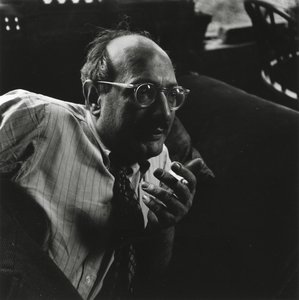
1903 - 1970 , Letonia


Rămâneți la curent cu cele mai recente știri din lumea artei, ofertele noastre exclusive și ideile de decor.
Spuneți-ne despre proiectul dumneavoastră, iar experții noștri în artă vă vor oferi 3 sugestii personalizate.
Vom selecta 3 opțiuni special pentru tine – Gratuit!


 Previzualizare
 Trimite
 Distribuie
 Detalii despre lucrare

 Descarcă
 Produse similare
 Radiografie
 Diapozitive automate
 Vezi mai mult


