


x

 New Objectivity
 12.0 x 8.0 cm
 Hammer Museum
Achiziționați o imagine digitală de înaltă rezoluție, îmbunătățită, mult superioară previzualizării online.
Fiecare fișier este pregătit cu meticulozitate de specialiștii noștri interni, utilizând instrumente avansate și retușare manuală expertă. Ne asigurăm că fiecare imagine beneficiază de o claritate excepțională, o acuratețe precisă a culorilor și detalii fine.
Fișierul final este livrat prin e-mail în termen de 72 de ore, optimizat pentru utilizare imediată în medii profesionale, editoriale și de imprimare. Aceasta este aceeași calitate în care au încredere studiouri de design, edituri și galerii de top.
Descărcați un fișier la rezoluție înaltă pentru afișare personală, imprimare și proiecte creative. ( Comandă printul Comandă pictură lucrată manual)
Când alegeți Most-Famous-Paintings.com, nu primiți doar o simplă imagine – primiți o operă de artă digitală îmbunătățită profesional, creată cu precizie și susținută de o garanție de satisfacție. Iată tot ceea ce primești odată cu comanda ta, în mod automat:

Fișierul imaginii digitale la rezoluție înaltă vă va fi trimis prin e-mail în termen de 72 de ore de la finalizarea comenzii – gata pentru utilizare imediată.

Opera ta de artă este optimizată profesional prin intermediul unor instrumente AI avansate și al editării manuale, asigurând un nivel maxim de detalii, claritate și acuratețe a culorilor.

Ai șters sau ai pierdut din greșeală fișierul? Nu îți face griji – ți-l vom retrimite oricând, gratuit.

Bucură-te instant de noua ta operă de artă, fără taxe vamale, taxe de import sau costuri de livrare – descărcările digitale sunt întotdeauna fără taxe.

Asigurăm o reflectare cât mai fidelă a culorilor originale în imaginea ta digitală, prin utilizarea unor instrumente profesionale și a proceselor de gestionare a culorii.

Dacă nu sunteți mulțumit de imaginea digitală achiziționată, o vom revizui sau vă vom returna 100% în termen de 60 de zile – fără nicio explicație necesară.

Nu ești mulțumit? Obține o rambursare completă în termen de 60 de zile de la primirea fișierului tău digital – fără întrebări.

Cumpără 3 imagini, economisește 10% - Cumpără 5, economisește 15% - Cumpără 10+, economisește 20%. Ideal pentru proiecte creative, galerii și agenții.

Born in Memmingen, Bavaria, in 1885, Max Unold emerged as a pivotal figure within the burgeoning landscape of early 20th-century German art. His career spanned several decades, marked by a dedication to capturing the gritty realities of urban life and a profound engagement with the philosophical currents of his time. While often categorized within the “New Objectivity” movement – a reaction against the prevailing sentimentality of Expressionism – Unold’s work possessed a unique strength, rooted in meticulous observation and a strikingly direct approach to depicting the social fabric of Germany.
Unold's artistic journey began with formal training at the Moritz Heymann art school in 1906, followed by studies at the Munich Academy under Hugo von Habermann. This early exposure to academic traditions provided a solid foundation, but it was his involvement with the “Münchener Neue Secession” – a group of artists seeking to break from established norms and explore new modes of representation – that truly shaped his artistic vision. This association proved particularly significant during the turbulent years leading up to and including World War I, forcing the group to dissolve under the pressures of the Nazi regime. Unold’s experience as its last president instilled in him a deep awareness of social injustice and the fragility of artistic freedom.
Unold's distinctive style is immediately recognizable through his masterful use of woodcuts, lithographs, and engravings. He eschewed romanticized depictions in favor of stark realism, focusing on the often-unpleasant aspects of urban existence – poverty, conflict, and social alienation. His compositions are typically dynamic, filled with movement and a palpable sense of tension. Bold lines, dramatic shadows, and a limited color palette contribute to an atmosphere of immediacy and emotional intensity.
A key element of his technique was his meticulous attention to detail. He studied the faces of ordinary people – laborers, street vendors, and marginalized figures – with an almost photographic precision, capturing their weariness, resilience, and quiet dignity. His depictions of crowded marketplaces, bustling streets, and dimly lit taverns are not merely illustrations; they are powerful social commentaries, offering a glimpse into the lives of those often overlooked by mainstream society. The influence of late 19th-century printmaking is evident in his compositions, particularly in their use of cross-hatching and tonal variations to create depth and texture.
Unold’s work consistently grappled with the social and political realities of his time. The rise of industrialization, urbanization, and class inequality were central themes in his oeuvre. He frequently depicted scenes of poverty, unemployment, and social unrest, implicitly critiquing the injustices inherent in a rapidly changing society. His images are not overtly propagandistic, but they subtly expose the human cost of modernity – the alienation, hardship, and disillusionment experienced by many.
Furthermore, Unold’s art reflects a broader engagement with philosophical ideas prevalent during this period. The influence of thinkers like Nietzsche and Bergson is discernible in his exploration of subjectivity, perception, and the fragmented nature of modern experience. He sought to capture not just what he *saw*, but also how he *felt* about what he saw – a deeply personal response to the world around him.
Despite facing censorship and persecution during the Nazi era, Max Unold continued to produce significant work throughout his career. His commitment to social realism and his unflinching portrayal of urban life cemented his place as one of the most important exponents of the New Objectivity movement in Germany. His art remains a powerful testament to the enduring relevance of social commentary and a poignant reflection on the challenges of modernity.
Today, Unold’s work is exhibited widely and studied by scholars of German art history. His images continue to resonate with audiences, offering a compelling window into the past and prompting us to consider the complexities of contemporary society. His legacy lies not only in his artistic skill but also in his unwavering dedication to truth and social justice.
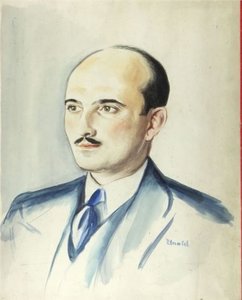
1885 - 1964 , Germany


Rămâneți la curent cu cele mai recente știri din lumea artei, ofertele noastre exclusive și ideile de decor.
Spuneți-ne despre proiectul dumneavoastră, iar experții noștri în artă vă vor oferi 3 sugestii personalizate.
Vom selecta 3 opțiuni special pentru tine – Gratuit!


 Previzualizare
 Trimite
 Distribuie
 Detalii despre lucrare

 Descarcă
 Produse similare
 Radiografie
 Diapozitive automate
 Vezi mai mult


