x

 Oil On CanvasWallArtEarly Netherlandish Painting
 1467Renaissance
 221.0 x 161.0 cm
 Muzeul Național din Gdańsk
Pictură în ulei pe pânză, realizată manual de artiștii noștri la dimensiunea și ramele dorite de dumneavoastră, pe comandă. ( Comandă printul Cumpără imaginea)





























Alegeți dintre dimensiunile noastre prestabilite, care respectă proporțiile originale ale operei de artă.

Puteți introduce propriile dimensiuni pentru a se potrivi unui anumit cadru sau spațiu. Dacă dimensiunea selectată nu corespunde proporțiilor imaginii originale, vom decupa opera de artă sau vom extinde pictura cu elemente suplimentare pictate manual. O simulare digitală vă va fi trimisă pentru aprobare înainte de începerea producției.
Vă rugăm să rețineți că previzualizarea de pe ecran nu reflectă decuparea sau extinderea reală. Doar macheta va arăta cu exactitate compoziția finală.
Deși sunt disponibile dimensiuni personalizate, vă recomandăm să selectați o dimensiune din lista predefinită pentru a păstra proporțiile originale.
Livrare în întreaga lume () în 3-4 săptămâni, în loc de cele 5 săptămâni standard. (15 August). Fără compromisuri în ceea ce privește calitatea.


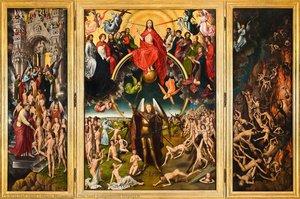
Last Judgment Triptych (open)
Dimensiune reproducere
The Last Judgment Triptych by Hans Memling, completed in 1467, is more than just a religious painting; it’s a meticulously crafted meditation on mortality, judgment, and the enduring power of faith. Measuring 221 x 161 cm, this triptych offers an immersive experience into the heart of Early Netherlandish art – a style renowned for its startling realism, profound spiritual depth, and the almost sculptural quality of its figures. Created during Memling’s peak period in Bruges, the painting exemplifies his mastery of detail and his ability to evoke powerful emotional responses from the viewer.
The Last Judgment was a central theme in medieval Christian art, representing the day of reckoning when all souls would be judged by God. Memling’s triptych meticulously depicts this event, rich with symbolic meaning. The presence of objects like the clock – a reminder of the fleeting nature of time – and the book – symbolizing divine law – underscores the urgency of the moment. The diverse group of figures represents humanity in its entirety, reflecting the universality of judgment. Note the inclusion of angels, representing divine grace and mercy, alongside demons, embodying sin and damnation.
Created in Bruges during the Burgundian period, this triptych reflects the city’s status as a major European center for art and commerce. Bruges was a hub for wealthy patrons – merchants and nobles – who commissioned works like this one, fueling the artistic innovation of artists such as Memling. The painting speaks to the anxieties and beliefs of a society grappling with religious upheaval and the constant awareness of mortality. It’s a testament to the enduring power of faith in a world facing uncertainty.
The Last Judgment Triptych continues to resonate with viewers today, not just for its technical brilliance but also for its profound emotional impact. Memling’s ability to capture the vulnerability and despair of human souls is truly remarkable. The painting forces us to confront our own mortality and consider the consequences of our actions. It's a work that demands contemplation and invites reflection on the fundamental questions of life, death, and judgment – a timeless masterpiece that transcends its historical context.

Germania

Descoperă top 10 capodopere ale picturii netherlandeze timpurii! Jan van Eyck, Robert Campin și alți maeștri renascentiști. Află poveștile din spatele simbolismului bogat și tehnicilor inovatoare. Reproduceri de artă de calitate muzeală pe Most-Famous-Paintings.com.

Explore the captivating world of Early Netherlandish painting! Discover Jan van Eyck, Hans Memling & more. Uncover symbolism, techniques & the legacy of these Flemish masters. A comprehensive guide for art enthusiasts.

Descoperiți 10 capodopere ale Renașterii Netherlandeze timpurii! Jan van Eyck, Robert Campin și alți maeștri. Reproduceri de tablouri de lux pentru un decor artistic unic. Explorează colecția completă pe Most-Famous-Paintings.com

Explore the captivating world of Early Netherlandish painting (15th-16th centuries). Discover Jan van Eyck, Hans Memling & more. Uncover revolutionary techniques and hidden symbolism in this definitive guide.
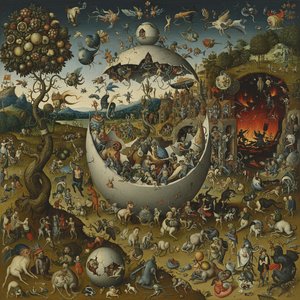
Descoperă cele mai emblematice 25 de picturi ale lui Hieronymus Bosch! Explorează simbolismul fascinant, viziunile unice și tehnicile artistice din spatele capodoperelor medievale. Reproduceri de artă de calitate muzeală pentru decorul tău pe Most-Famous-Paintings.com


Rămâneți la curent cu cele mai recente știri din lumea artei, ofertele noastre exclusive și ideile de decor.
Spuneți-ne despre proiectul dumneavoastră, iar experții noștri în artă vă vor oferi 3 sugestii personalizate.
Vom selecta 3 opțiuni special pentru tine – Gratuit!


 Previzualizare
 Trimite
 Distribuie
 Detalii despre lucrare

 Descarcă
 Produse similare
 Radiografie
 Diapozitive automate
 Vezi mai mult







 Opțiunea cu sticlă este disponibilă doar pentru dimensiuni de sub 110 cm