


x


 Preview
 Comandă tipăritul Comandă reproducere pictată
 Trimite
 Detalii despre lucrare
 Adaugă la favorite
 Descarcă
 Similare
 Radiografie
 Diaporama
Achiziționați o imagine digitală îmbunătățită și de înaltă rezoluție, mult superioară previzualizării online.
Fiecare fișier este pregătit cu meticulozitate de specialiștii noștri interni, utilizând instrumente avansate și retușare manuală expertă. Ne asigurăm că fiecare imagine beneficiază de o claritate excepțională, o acuratețe precisă a culorilor și detalii fine.
Fișierul final este livrat prin e-mail în termen de 72 de ore, optimizat pentru utilizare imediată în medii profesionale, editoriale și de imprimare. Aceasta este aceeași calitate în care au încredere studiouri de design, edituri și galerii de top.
Descărcați un fișier la rezoluție înaltă pentru afișare personală, imprimare și proiecte creative.
Când alegeți Most-Famous-Paintings.com, nu primiți doar o simplă imagine – primiți o operă de artă digitală îmbunătățită profesional, creată cu precizie și susținută de o garanție de satisfacție. Iată tot ceea ce primești odată cu comanda ta, în mod automat:

Fișierul imaginii digitale la rezoluție înaltă vă va fi trimis prin e-mail în termen de 72 de ore de la finalizarea comenzii – gata pentru utilizare imediată.

Opera ta de artă este optimizată profesional prin intermediul unor instrumente AI avansate și al editării manuale, asigurând un nivel maxim de detalii, claritate și acuratețe a culorilor.

Ai șters sau ai pierdut din greșeală fișierul? Nu îți face griji – ți-l vom retrimite oricând, gratuit.

Bucură-te instant de opera ta de artă, fără taxe vamale, taxe de import sau costuri de livrare – descărcările digitale sunt întotdeauna fără taxe.

Asigurăm că imaginea ta digitală reflectă culorile originale cât mai fidel posibil, utilizând instrumente profesionale și procese de gestionare a culorii.

Dacă nu sunteți mulțumit de imaginea digitală achiziționată, o vom revizui sau vă vom returna 100% în termen de 60 de zile – fără nicio explicație necesară.

Nu ești mulțumit? Obține o rambursare completă în termen de 60 de zile de la primirea fișierului tău digital – fără întrebări.

Cumpără 3 imagini, economisește 10% - Cumpără 5, economisește 15% - Cumpără 10+, economisește 20%. Ideal pentru proiecte creative, galerii și agenții.
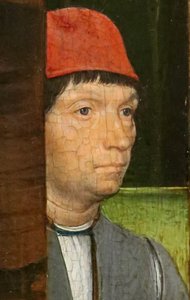
Hans Memling’s “untitled (6791)” – more commonly understood as his depiction of the Triumph of Saint Michael – is not merely a painting; it's a meticulously crafted theological statement, a visual sermon rendered with the astonishing detail characteristic of the Early Netherlandish masters. The work plunges us into a dramatic confrontation between celestial power and infernal darkness, embodying the eternal struggle between good and evil with an intensity that resonates even centuries after its creation. Memling doesn’t simply *show* us this battle; he invites us to witness it, drawing us into a claustrophobic space where the weight of divine judgment feels palpable.
To appreciate “untitled (6791)” fully is to understand its place within the blossoming artistic landscape of 15th-century Bruges. Memling, having honed his skills under Rogier van der Weyden in Brussels, brought a refined sensibility to the city’s thriving art scene. His technique exemplifies the hallmarks of the Northern Renaissance: an almost obsessive attention to detail, a preference for oil paints applied in delicate layers – or glazes – that build up luminosity and depth, and a compositional approach that prioritizes clarity of narrative over strict adherence to perspective. Look closely at Saint Michael’s armor; it isn't merely gold, but a shimmering surface reflecting an inner light. Observe the expressions etched onto the faces of the damned—each contorted in unique agony. This is not generalized suffering, but individualized torment. The subtle use of geometric forms – squares, rectangles, and circles – provides an underlying structure to the seemingly chaotic scene, lending it a sense of harmony despite its dramatic subject matter.
The painting’s power extends far beyond its technical brilliance; it is deeply imbued with symbolism. Saint Michael, archangel and warrior of God, stands as an unwavering beacon of righteousness, his raised sword a potent symbol of justice and the triumph over evil. Around him, angels proclaim victory with resounding blasts from their horns. Below unfolds a harrowing vision of damnation: naked figures, chained and writhing in despair, represent fallen humanity consumed by sin. The inclusion of scales is particularly significant – representing divine judgment, carefully weighing each soul’s worth. These aren't merely decorative elements; they are integral to the painting’s moral narrative. Even the hazy landscape in the background isn’t a realistic depiction of place but rather an atmospheric backdrop that amplifies the spiritual drama unfolding in the foreground, focusing our attention on the central conflict and its eternal consequences.
Hans Memling flourished in Bruges during a period of immense wealth and artistic patronage. The city was a vital hub for commerce, attracting merchants, aristocrats, and clergymen who eagerly commissioned works like “untitled (6791)” to express their piety and status. Memling’s clientele weren't simply seeking beautiful objects; they desired devotional pieces that would inspire contemplation and reinforce their faith. This painting likely served as such an object – perhaps adorning a private chapel or enriching the interior of a church, prompting viewers to reflect on their own mortality and spiritual well-being. It is a testament to the religious fervor and moralizing tendencies prevalent in 15th-century Northern Europe, a period deeply concerned with salvation and the consequences of earthly transgression. The enduring appeal of Memling’s work lies not only in its aesthetic beauty but also in its ability to simultaneously inspire reverence and provoke profound introspection.

Germania


Rămâneți la curent cu cele mai recente știri din lumea artei, ofertele noastre exclusive și ideile de decor.
Spuneți-ne despre proiectul dumneavoastră, iar experții noștri în artă vă vor oferi 3 sugestii personalizate.
Vom selecta 3 opțiuni special pentru tine – Gratuit!


 Distribuie


 Vezi mai mult


