x


 OilWallArtBaroque Classicism
 1639
1639 95.0 x 121.0 cm
Achiziționați o imagine digitală îmbunătățită și de înaltă rezoluție, mult superioară previzualizării online.
Fiecare fișier este pregătit cu meticulozitate de specialiștii noștri interni, utilizând instrumente avansate și retușare manuală expertă. Ne asigurăm că fiecare imagine beneficiază de o claritate excepțională, o acuratețe precisă a culorilor și detalii fine.
Fișierul final este livrat prin e-mail în termen de 72 de ore, optimizat pentru utilizare imediată în medii profesionale, editoriale și de imprimare. Aceasta este aceeași calitate în care au încredere studiouri de design, edituri și galerii de top.
Descărcați un fișier la rezoluție înaltă pentru afișare personală, imprimare și proiecte creative. ( Switch to Print Switch to hand made Painting)
Când alegeți Most-Famous-Paintings.com, nu primiți doar o simplă imagine – primiți o operă de artă digitală îmbunătățită profesional, creată cu precizie și susținută de o garanție de satisfacție. Iată tot ceea ce primești odată cu comanda ta, în mod automat:

Fișierul imaginii digitale la rezoluție înaltă vă va fi trimis prin e-mail în termen de 72 de ore de la finalizarea comenzii – gata pentru utilizare imediată.

Opera ta de artă este optimizată profesional prin intermediul unor instrumente AI avansate și al editării manuale, asigurând un nivel maxim de detalii, claritate și acuratețe a culorilor.

Ai șters sau ai pierdut din greșeală fișierul? Nu îți face griji – ți-l vom retrimite oricând, gratuit.

Bucură-te instant de opera ta de artă, fără taxe vamale, taxe de import sau costuri de livrare – descărcările digitale sunt întotdeauna fără taxe.

Asigurăm că imaginea ta digitală reflectă culorile originale cât mai fidel posibil, utilizând instrumente profesionale și procese de gestionare a culorii.

Dacă nu sunteți mulțumit de imaginea digitală achiziționată, o vom revizui sau vă vom returna 100% în termen de 60 de zile – fără nicio explicație necesară.

Nu ești mulțumit? Obține o rambursare completă în termen de 60 de zile de la primirea fișierului tău digital – fără întrebări.

Cumpără 3 imagini, economisește 10% - Cumpără 5, economisește 15% - Cumpără 10+, economisește 20%. Ideal pentru proiecte creative, galerii și agenții.
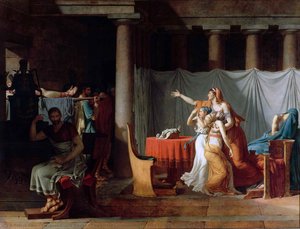
Nicolas Poussin’s “Extreme Unction,” painted in 1639, is not merely a depiction of a religious ritual; it's a profoundly moving meditation on mortality, faith, and the acceptance of life’s inevitable end. Commissioned by Cassiano del Pozzo, an avid collector of antiquities and works of art, this painting forms part of Poussin’s ambitious “Seven Sacraments” series – a project that sought to visually illustrate the core tenets of Roman Catholicism. The work, now residing in the National Gallery in London alongside its companions, offers a rare glimpse into 17th-century European religious practice and the deeply personal experience of death and dying.
Poussin’s masterful command of Classicism is immediately evident. He eschews the dramatic theatricality often associated with Baroque painting for a carefully constructed scene imbued with order, harmony, and an almost unsettling serenity. The composition is meticulously balanced; the figures are arranged in a pyramidal structure that draws the eye towards the central figure receiving the last rites. The use of muted earth tones – ochres, browns, and greys – creates a somber atmosphere, punctuated by subtle highlights that emphasize the textures of the fabrics and the pallor of the dying man’s skin. Poussin's signature technique—a deliberate layering of thin glazes of oil paint—allows for remarkable luminosity and depth, capturing both the physical presence of the individuals and the ethereal quality of the spiritual realm.
“Extreme Unction” vividly portrays the sacrament itself. The scene unfolds within a modest chamber, dominated by two simple benches that suggest a sense of quiet contemplation. A bowl, positioned near the dying man, is a crucial element – it represents the oil used in the ritual, symbolizing healing and purification. The presence of multiple attendants—mourners, priests, and assistants—underscores the communal nature of this sacred act. Notably, Poussin doesn’t depict overt grief or despair; instead, there's an air of acceptance, a quiet dignity that speaks to the spiritual preparation for death. The inclusion of the two benches in the background adds depth to the composition, creating a sense of space and suggesting the continuity between life and eternity.
The identity of the dying man remains deliberately ambiguous, adding to the painting’s universality. He is not a specific historical figure but rather an archetype – a representation of humanity facing its mortality. The priest administering the sacrament is similarly anonymous, further emphasizing the sacred nature of the event itself. Poussin's careful attention to detail—the folds of the robes, the expressions on the faces of the mourners—reveals his deep understanding of human anatomy and psychology. He doesn’t simply record a scene; he conveys an emotional truth about the human condition.
“Extreme Unction” is more than just a religious painting; it's a testament to Poussin’s artistic genius and his ability to infuse classical principles with profound emotional resonance. The work reflects the influence of Renaissance masters, particularly Raphael, whose emphasis on clarity, proportion, and idealized beauty informed Poussin’s own style. However, Poussin transcends mere imitation; he transforms these influences into something uniquely his own—a synthesis of intellectual rigor and spiritual sensitivity.
The painting's enduring appeal lies in its ability to evoke a sense of both melancholy and hope. It acknowledges the inevitability of death but also celebrates the possibility of redemption and eternal life. As part of The Seven Sacraments, “Extreme Unction” serves as a poignant reminder of the importance of faith, compassion, and the acceptance of our shared mortality. Today, its preservation stands as a vital link to the artistic and spiritual landscape of 17th-century Europe, offering viewers an opportunity to contemplate profound questions about life, death, and the mysteries of the human soul.


1594 - 1665 , Franța


Rămâneți la curent cu cele mai recente știri din lumea artei, ofertele noastre exclusive și ideile de decor.
Spuneți-ne despre proiectul dumneavoastră, iar experții noștri în artă vă vor oferi 3 sugestii personalizate.
Vom selecta 3 opțiuni special pentru tine – Gratuit!


 Preview
 Trimite
 Distribuie
 Detalii despre lucrare

 Descarcă
 Similare
 Radiografie
 Diaporama
 Vezi mai mult