x

 OilWallArtExpressionist Abstraction
 1920Modern
 40.0 x 31.0 cm
 Muzeul Städel
Printuri giclée sau pe canvas de calitate muzeală, cu proces de producție rapid și opțiuni flexibile de finisare. ( Comandă pictură lucrată manual Cumpără imaginea)





























Alegeți dintre dimensiunile noastre prestabilite, care respectă proporțiile originale ale operei de artă.

Puteți introduce propriile dimensiuni pentru a se potrivi unui anumit cadru sau spațiu. Dacă dimensiunea selectată nu corespunde proporțiilor imaginii originale, vom decupa lucrarea de artă sau vom extinde imaginea cu margini oglindite sau cu o culoare uniformă. Un mockup digital va fi trimis pentru aprobarea dumneavoastră înainte de începerea producției.
Vă rugăm să rețineți că previzualizarea de pe ecran nu reflectă decuparea sau extinderea reală. Doar mockup-ul va arăta cu exactitate compoziția finală.
Deși dimensiunile personalizate sunt disponibile, vă recomandăm să selectați o dimensiune din lista predefinită pentru a păstra proporțiile originale.
Livrare în întreaga lume () în 2 săptămâni, în loc de cele 4/5 săptămâni standard. (17 August)


The Lamb
Dimensiune reproducere
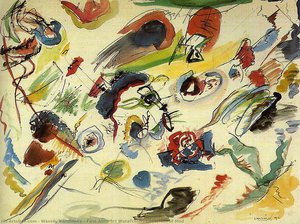
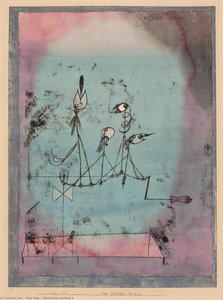
In the quiet, transformative landscape of early twentieth-century modernism, few works capture the intersection of spiritual devotion and geometric innovation as poignantly as Paul Klee’s “The Lamb,” completed in 1920. This mesmerizing piece transcends the boundaries of mere representation, inviting the viewer into a meditative space where the boundaries between the earthly and the divine begin to blur. At first glance, the eye is drawn to the vibrant, almost mosaic-like arrangement of colors that dance across the canvas. Klee does not simply paint a subject; he constructs a cosmos. The composition centers around a simplified silhouette of a lamb, cradled within the protective embrace of two large, stylized hands. Above this tender scene, a subtle cross motif emerges, anchoring the work in a profound religious symbolism that speaks to the Agnus Dei—the Lamb of God—and the themes of sacrifice and innocence.
The brilliance of Klee’s vision lies in his ability to marry the raw emotion of Expressionism with the rigorous, structural precision of Cubism. The artwork is a masterclass in controlled fragmentation. Rather than utilizing smooth transitions or traditional shading, Klee employs a technique reminiscent of stained glass, where distinct segments of color—ranging from deep blues and purel greens to warm yellows and soft pinks—are delineated by bold, black lines. This grid-like structure creates a rhythmic, pulsating energy that guides the viewer’s gaze through a labyrinth of shapes. The rectangular and triangular forms do not merely decorate the surface; they mirror the fractured nature of human experience, suggesting that even within a broken world, there is an underlying, divine order waiting to be perceived.
To behold “The Lamb” is to engage in a silent dialogue with the artist’s inner mysticism. While Klee’s approach to religious imagery was often personal rather than dogmatic, his work here vibrates with a deep-seated spirituality. The lamb, with its closed eyes and the delicate presence of a cross, serves as a powerful emblem of purity and the transformative power of suffering. There is a palpable sense of reverence in the way the hands cradle the figure, evoking feelings of divine care, protection, and compassion. For the collector or the admirer of fine art, this piece offers more than visual beauty; it provides an emotional sanctuary, a moment of stillness in an increasingly chaotic world.
For interior designers and curators of sophisticated spaces, "The Lamb" represents a versatile masterpiece of intellectual and aesthetic depth. Its vibrant yet balanced palette allows it to serve as a profound focal point in a contemporary setting, adding both color and contemplative weight to a room. Whether displayed as a high-quality reproduction in a minimalist gallery or as a soulful addition to a curated private collection, the painting’s ability to evoke wonder remains undiminished. It is an invitation to look beyond the surface, to find beauty in the fragmented, and to rediscover the sacred within the abstract.

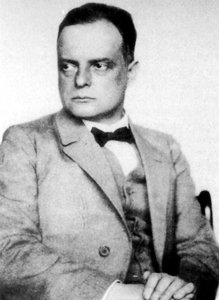
1879 - 1940 , Elveția

Explore the profound impact of Minimalism and Geometric Abstraction. From Mondrian to Malevich, discover how stripping art to its essential forms revolutionized modern aesthetics through our expert-led historical guide.
Explore the profound emotional depth of Lyrical Abstraction. Discover how masters like Raymond Parker used color and form to bridge Impressionism and Abstract Expressionism. Learn about this pivotal movement through our expert-led art history guide.

Explore the profound emotional depth of Color Field painting. Discover the history of mid-century abstraction, from Rothko to Newman, and learn how pure color transforms the viewer's experience through our expert art history guide.


Rămâneți la curent cu cele mai recente știri din lumea artei, ofertele noastre exclusive și ideile de decor.
Spuneți-ne despre proiectul dumneavoastră, iar experții noștri în artă vă vor oferi 3 sugestii personalizate.
Vom selecta 3 opțiuni special pentru tine – Gratuit!


 Previzualizare
 Trimite
 Distribuie
 Detalii despre lucrare

 Descarcă
 Produse similare
 Radiografie
 Diapozitive automate
 Vezi mai mult







 Opțiunea cu sticlă este disponibilă doar pentru dimensiuni de sub 110 cm