


x

 Acrylic On CanvasWallArtImpressionist Painting
 1895
1895 32.0 x 41.0 cm
Printuri giclée sau pe canvas de calitate muzeală, cu proces de producție rapid și opțiuni flexibile de finisare. ( Comandă pictură lucrată manual Cumpără imaginea)





























Alegeți dintre dimensiunile noastre prestabilite, care respectă proporțiile originale ale operei de artă.

Puteți introduce propriile dimensiuni pentru a se potrivi unui anumit cadru sau spațiu. Dacă dimensiunea selectată nu corespunde proporțiilor imaginii originale, vom decupa lucrarea de artă sau vom extinde imaginea cu margini oglindite sau cu o culoare uniformă. Un mockup digital va fi trimis pentru aprobarea dumneavoastră înainte de începerea producției.
Vă rugăm să rețineți că previzualizarea de pe ecran nu reflectă decuparea sau extinderea reală. Doar mockup-ul va arăta cu exactitate compoziția finală.
Deși dimensiunile personalizate sunt disponibile, vă recomandăm să selectați o dimensiune din lista predefinită pentru a păstra proporțiile originale.
Livrare în întreaga lume () în 2 săptămâni, în loc de cele 4/5 săptămâni standard. (21 August)


Odalisque
Dimensiune reproducere
Pierre-Auguste Renoir’s ‘Odalisque,’ completed in 1895, stands as a quintessential emblem of Impressionism and the broader movement known as Orientalism. More than just a portrait, it's an immersive experience—a meticulously crafted illusion designed to transport the viewer into a realm of sensual beauty and exotic allure. This captivating painting resides within the Musée Ingres Bourdelle in Montauban, France, offering visitors a chance to contemplate one of Renoir’s most celebrated works alongside sculptures by Ingres and Bourdelle.
‘Odalisque’ emerged during a period profoundly influenced by Orientalism—a European artistic preoccupation with the cultures and landscapes of the Middle East and North Africa. Unlike purely ethnographic depictions, Orientalist art sought to romanticize these regions, portraying them as paradisiacal spaces infused with sensuality and mystery. Artists like Renoir weren't merely documenting; they were actively constructing narratives that catered to Victorian sensibilities—a fascination for the opulent lifestyles and exotic traditions of distant lands.
Renoir’s approach distinguishes itself from earlier academic painting styles. He deliberately eschewed precise anatomical detail, prioritizing instead capturing fleeting impressions of light and color. This technique aligns perfectly with Impressionism's core tenets: abandoning traditional linear perspective and focusing on conveying the subjective experience of seeing.
The painting’s composition is deceptively simple yet remarkably effective. Renoir centers his gaze upon a woman draped in luxurious fabrics—a deliberate choice reflecting the stylistic conventions of Orientalism. The subtle layering of colors—primarily reds, golds, and creams—creates an atmosphere of warmth and intimacy. Notice how Renoir utilizes soft brushstrokes to blend hues seamlessly, mimicking the diffused light characteristic of outdoor scenes. This masterful technique lends a palpable sense of movement and vibrancy to the canvas.
'Odalisque' transcends mere visual representation; it embodies a complex tapestry of symbolic meanings. The woman herself represents idealized beauty—a figure detached from everyday concerns, embodying grace and serenity. Her gaze directs the viewer’s attention inward, inviting contemplation on themes of desire and contemplation. Furthermore, the surrounding drapery symbolizes wealth and status – elements integral to portraying the exotic allure of Oriental culture.
Ultimately, Renoir's 'Odalisque' succeeds in conveying a profound emotional impact. It captures not just what is seen but how it feels—a yearning for beauty, tranquility, and escape from the mundane realities of Victorian life. Its enduring appeal testifies to Renoir’s ability to distill complex emotions into a single, unforgettable image.
‘Odalisque’ continues to inspire artists today, demonstrating its timeless relevance. Its influence can be discerned in contemporary fashion photography and modern paintings that revisit historical motifs. The painting serves as a reminder of Impressionism's revolutionary spirit—a commitment to capturing the ephemeral beauty of the natural world with unprecedented sensitivity.

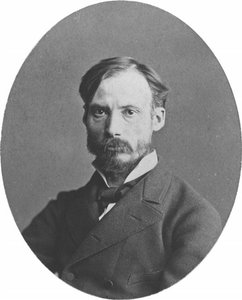
1841 - 1919 , Franța

Descoperă cele mai frumoase 25 de picturi Renoir! Explorează capodoperele impresionismului, culorile vibrante și poveștile din spatele fiecărei opere. Reproduceri artă de lux pe Most-Famous-Paintings.com – adaugă eleganță locuinței tale!

Explore the captivating world of Pierre-Auguste Renoir! Discover his life, iconic Impressionist masterpieces & enduring legacy with our expert guide. High-quality reproductions available.

Descoperă top 10 capodopere impresioniste – Monet, Manet, Renoir și alții! Află istoria picturilor celebre, tehnicile artistice și atmosfera unică a stilului impresionist. Reproduceri de calitate superioară pentru decorul perfect pe Most-Famous-Paintings.ro

Descoperă top 10 capodopere impresioniste de la Monet, Renoir și Degas! Explorează istoria artei impresioniste, culorile vibrante și tehnicile inovatoare. Reproduceri tablouri de calitate muzeală pe Most-Famous-Paintings.com.

Descoperă cele mai frumoase 10 opere impresioniste de la Monet, Renoir și Degas! Explorează istoria, tehnicile și culorile vibrante ale acestui stil revoluționar. Găsește inspirație pentru decorul casei tale cu reproduceri de artă de calitate muzeală pe Most-Famous-Paintings.com.


Rămâneți la curent cu cele mai recente știri din lumea artei, ofertele noastre exclusive și ideile de decor.
Spuneți-ne despre proiectul dumneavoastră, iar experții noștri în artă vă vor oferi 3 sugestii personalizate.
Vom selecta 3 opțiuni special pentru tine – Gratuit!


 Previzualizare
 Trimite
 Distribuie
 Detalii despre lucrare

 Descarcă
 Produse similare
 Radiografie
 Diapozitive automate
 Vezi mai mult







 Opțiunea cu sticlă este disponibilă doar pentru dimensiuni de sub 110 cm


