
Vinde opere de artă
Lista de dorințe Coș de cumpărături Cart
PrevizualizarePrevizualizare Previzualizare ARPrevizualizare AR Comandă printul Comandă printulComandă pictură lucrată manual Comandă pictură lucrată manual TrimiteTrimite
Detalii despre lucrareDetalii despre lucrare Adaugă la favorite Adaugă la favorite DescarcăDescarcă Produse similareProduse similare RadiografieRadiografie Diapozitive automateDiapozitive automate

St Joseph

A profound portrait of spiritual introspection, this Early Netherlandish masterpiece by Rogier van der Weyden captures St Joseph with breathtaking realism, inviting you to bring this timeless piece of devotion into your home.

Rogier van der Weyden (1400-1464): Maestru al artei flamande timpurii, renumit pentru picturi religioase emoționale, culori bogate și detalii naturaliste. Explorează 'Lamentația' & mai mult!

Achiziționați o imagine digitală de înaltă rezoluție, îmbunătățită, mult superioară previzualizării online.

Fiecare fișier este pregătit cu meticulozitate de specialiștii noștri interni, utilizând instrumente avansate și retușare manuală expertă. Ne asigurăm că fiecare imagine beneficiază de o claritate excepțională, o acuratețe precisă a culorilor și detalii fine.

Fișierul final este livrat prin e-mail în termen de 72 de ore, optimizat pentru utilizare imediată în medii profesionale, editoriale și de imprimare. Aceasta este aceeași calitate în care au încredere studiouri de design, edituri și galerii de top.

Imagine Digitală

Descărcați un fișier la rezoluție înaltă pentru afișare personală, imprimare și proiecte creative. (Comandă printul Comandă printulComandă pictură lucrată manual Comandă pictură lucrată manual)

Preț total

$ 24,90

Inclus în fiecare comandă de imagini digitale

Livrare digitală de expertiză, garantată

Când alegeți Most-Famous-Paintings.com, nu primiți doar o simplă imagine – primiți o operă de artă digitală îmbunătățită profesional, creată cu precizie și susținută de o garanție de satisfacție. Iată tot ceea ce primești odată cu comanda ta, în mod automat:

shipping_icon
Livrare rapidă prin e-mail

Fișierul imaginii digitale la rezoluție înaltă vă va fi trimis prin e-mail în termen de 72 de ore de la finalizarea comenzii – gata pentru utilizare imediată.

canvas_icon
Fișier digital optimizat prin IA

Opera ta de artă este optimizată profesional prin intermediul unor instrumente AI avansate și al editării manuale, asigurând un nivel maxim de detalii, claritate și acuratețe a culorilor.

insurance_icon
Retransmitere gratuită pe viață

Ai șters sau ai pierdut din greșeală fișierul? Nu îți face griji – ți-l vom retrimite oricând, gratuit.

tax_icon
Fără taxe de import – Întotdeauna

Bucură-te instant de noua ta operă de artă, fără taxe vamale, taxe de import sau costuri de livrare – descărcările digitale sunt întotdeauna fără taxe.

color_icon
Garanția acurateții culorilor

Asigurăm o reflectare cât mai fidelă a culorilor originale în imaginea ta digitală, prin utilizarea unor instrumente profesionale și a proceselor de gestionare a culorii.

return_icon
Garanție de satisfacție de 60 de zile

Dacă nu sunteți mulțumit de imaginea digitală achiziționată, o vom revizui sau vă vom returna 100% în termen de 60 de zile – fără nicio explicație necesară.

guarantee_icon
Garanție de returnare 100% a banilor

Nu ești mulțumit? Obține o rambursare completă în termen de 60 de zile de la primirea fișierului tău digital – fără întrebări.

discount_icon
Reduceri pentru comenzi în volum

Cumpără 3 imagini, economisește 10% - Cumpără 5, economisește 15% - Cumpără 10+, economisește 20%. Ideal pentru proiecte creative, galerii și agenții.

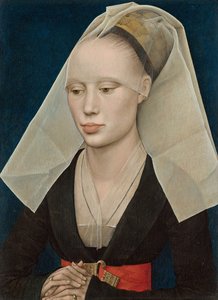
Informații rapide

  • Year: 1445
  • Title: St Joseph
  • Medium: Oil paint on wood panel
  • Subject or theme: Religious Portraiture
  • Influences: Medieval Art
  • Artist: Rogier van der Weyden
  • Notable elements or techniques: Detailed drapery, realistic facial expression

Test de cultură artistică

Fiecare întrebare are un singur răspuns corect.

Întrebare 1:
What is the primary subject depicted in this painting?
Întrebare 2:
The artist, Rogier van der Weyden, is renowned for his masterful use of what artistic technique?
Întrebare 3:
What symbolic element appears in the upper-left corner of the image?
Întrebare 4:
Approximately when was this painting created?
Întrebare 5:
What mood or emotion does the artist convey through St Joseph's gaze?

Descriere obiect de colecție

A Window into Devotion: The Quiet Majesty of St Joseph

In the hushed atmosphere of the mid-15th century, few artists could capture the intersection of human vulnerability and divine grace as masterfully as Rogier van der Weyden. His painting, St Joseph, completed around 1445, is far more than a mere religious portrait; it is a profound meditation on introspection and faith. As one gazes upon this intimate work, there is an immediate sense of being drawn into a private moment of contemplation. The subject, the revered father of Jesus, is depicted not in a moment of grand spectacle, but in a state of quiet dignity. Clad in a striking red hat and a deep blue robe with a soft hood, St Joseph looks out through a window, his gaze suggesting a mind lost in prayer or perhaps observing the subtle movements of the world outside. This sense of stillness is palpable, offering a sanctuary of calm that continues to captivate collectors and decorators seeking pieces that bring a soulful, contemplative energy to a modern interior.

The Alchemy of Light and Detail

The brilliance of this masterpiece lies in Van der Weyden’s extraordinary technical prowess, a skill likely refined during his early years as a goldsmith. This background in precious metals allowed him to approach the canvas with an unparalleled eye for texture and luminosity. Through the painstaking application of translucent glazes, he achieved a level of realism that was revolutionary for the Early Netherlandish period. One can almost feel the weight of the heavy fabric of the blue robe and notice the subtle play of light across the saint's weathered features. This technique does not merely replicate reality; it creates an inner radiance, a spiritual glow that seems to emanate from within the figure itself. For the discerning eye, the meticulous rendering of every fold and shadow serves as a testament to the artist's ability to transform oil and pigment into a living, breathing presence.

Symbolism and the Spirit of Flanders

Beyond its technical splendor, St Joseph is deeply rooted in the cultural and religious fervor of 15th-century Flanders. During this era, the region was a thriving hub of commerce and piety, where art served as a bridge between the earthly and the divine. The painting’s composition—featuring subtle background figures and a delicate bird in the upper corner—adds layers of symbolic depth to the narrative. The window serves as a powerful metaphor for the threshold between the internal world of the soul and the external world of creation. In an age where Saint Joseph represented the virtues of humility, righteousness, and steadfast protection, this portrait acts as a visual sermon on the beauty of a life lived in quiet devotion. For those looking to adorn a space with art that transcends mere decoration, this work offers a timeless connection to the profound emotional and spiritual legacies of the Northern Renaissance.

Biografie artist

A Master of Emotion: The Life and Legacy of Rogier van der Weyden

Rogier van der Weyden, a name synonymous with profound emotional depth and meticulous realism in 15th-century art, emerged from the bustling city of Tournai, Belgium. Born around 1400, his early life remains shrouded in some mystery, though it’s believed he began his artistic journey not with brushes and pigments, but as a skilled goldsmith – a training that undoubtedly instilled within him an unwavering dedication to detail and a refined appreciation for craftsmanship. This formative experience translated into the exquisite rendering of textures, fabrics, and expressions that define his most celebrated works. He wasn't merely depicting reality; he was recreating it with painstaking accuracy, imbued with an almost reverent attention to every nuance.

From Tournai to the Court of Burgundy: A Rising Star

By 1427, van der Weyden had firmly established himself as a master within the Guild of Saint Luke in Tournai – a significant milestone that solidified his professional standing and opened doors to prestigious commissions. His career truly took flight when he entered the service of Philip the Good, Duke of Burgundy, in 1435. This patronage proved transformative, providing him with financial security, access to an elite circle of influence, and exposure to some of the most discerning eyes of the era. During this period, van der Weyden’s artistic vision underwent a significant evolution, moving away from the somewhat rigid conventions prevalent in earlier Netherlandish painting towards a more emotionally resonant and naturalistic approach. He wasn't simply painting religious scenes; he was striving to evoke genuine feeling in the viewer, creating an experience that transcended mere observation – a shift that would profoundly shape his legacy.

The Language of Feeling: Style and Technique

Rogier van der Weyden’s artistic signature is immediately recognizable through several defining characteristics. His palette was remarkably rich and diverse, a vibrant tapestry of colors carefully chosen to avoid repetition and create depth and complexity within his compositions. He possessed an extraordinary ability to convey profound emotion – *pathos* – particularly in depictions of religious subjects like the Lamentation, where grief and sorrow are palpable. This emotional intensity wasn’t achieved through dramatic gestures or exaggerated expressions; rather, it was subtly woven into the very fabric of the painting, conveyed through delicate nuances of facial expression, body language, and composition. His figures, while adhering to the conventions of the time, demonstrate a growing interest in realistic representation – not just in anatomy and drapery, but also in capturing the psychological states of his subjects. They possess a dignified, almost sculptural quality, particularly evident in his grand triptychs, lending them an air of solemnity and reverence. He masterfully employed oil paint, building up layers of translucent glazes to achieve luminous effects and create a sense of depth and realism that was revolutionary for its time.

Notable Works and Enduring Masterpieces

Throughout his prolific career, van der Weyden produced numerous works that stand as testaments to his artistic prowess. *St Luke Drawing a Portrait of the Madonna*, housed in the Museum of Fine Arts, Boston, showcases his mastery of oil on panel and meticulous observation. The *Lamentation*, residing in the Musée des Beaux-Arts Tournai, Belgium, is perhaps his most celebrated work – a powerfully emotive depiction of Christ’s mourning, renowned for its dramatic use of *chiaroscuro* and its ability to evoke profound sorrow in the viewer. Multiple versions of *The Deposition* exist, each demonstrating his skill in conveying grief and drama with breathtaking sensitivity. The *Annunciation*, a masterpiece of refined style and attention to detail, exemplifies his ability to imbue even the most traditional subjects with a sense of freshness and vitality. And finally, the intricate and richly detailed *Bladelin Triptych* stands as a monumental achievement – a complex altarpiece that showcases the full range of van der Weyden’s artistic abilities. These works, and many others, continue to captivate audiences today, solidifying his position as one of the most important painters of the 15th century.

Lasting Influence: A Legacy Forged in Paint

Van der Weyden's influence extended far beyond the borders of his native Flanders. His works were highly sought after throughout Europe, particularly in Italy and Spain, where they introduced a new level of emotional depth and naturalism to local artistic traditions. Although his fame experienced a period of relative decline in the 17th century, a rediscovery during the 19th century cemented his place as one of the most important painters of the 15th century. He stands alongside Jan van Eyck and Robert Campin as one of the “three great” Early Flemish masters, each contributing uniquely to the development of Northern Renaissance art. His innovative techniques and emotionally charged compositions paved the way for future generations of artists, inspiring countless imitators and influencing the course of Western painting for centuries to come. He helped establish oil painting as the dominant medium and elevated the status of the artist within society, transforming them from skilled craftsmen into revered creators. Rogier van der Weyden’s legacy continues to resonate today, a testament to his enduring genius and his profound understanding of the human condition.
Rogier van der Weyden

Rogier van der Weyden

1400 - 1464 , Belgia

Detalii rapide

  • Artistic Movement Or Style: Pictura flamandă timpurie
  • Artists Or Movements Influenced By This Artist:
    • Renascere italiană
    • Pictura flamandă
  • Artists Who Influenced This Artist:
    • Robert Campin
    • Jan van Eyck
  • Date Of Birth: c. 1400
  • Date Of Death: 1464
  • Full Name: Rogier van der Weyden
  • Nationality: Belgian
  • Notable Artworks:
    • Lamentație
    • Depunerea de la cruce
    • Anunțarea Mariei
  • Place Of Birth: Tournai, Belgia

