


x
Achiziționați o imagine digitală de înaltă rezoluție, îmbunătățită, mult superioară previzualizării online.
Fiecare fișier este pregătit cu meticulozitate de specialiștii noștri interni, utilizând instrumente avansate și retușare manuală expertă. Ne asigurăm că fiecare imagine beneficiază de o claritate excepțională, o acuratețe precisă a culorilor și detalii fine.
Fișierul final este livrat prin e-mail în termen de 72 de ore, optimizat pentru utilizare imediată în medii profesionale, editoriale și de imprimare. Aceasta este aceeași calitate în care au încredere studiouri de design, edituri și galerii de top.
Descărcați un fișier la rezoluție înaltă pentru afișare personală, imprimare și proiecte creative. ( Comandă printul Comandă pictură lucrată manual)
Când alegeți Most-Famous-Paintings.com, nu primiți doar o simplă imagine – primiți o operă de artă digitală îmbunătățită profesional, creată cu precizie și susținută de o garanție de satisfacție. Iată tot ceea ce primești odată cu comanda ta, în mod automat:

Fișierul imaginii digitale la rezoluție înaltă vă va fi trimis prin e-mail în termen de 72 de ore de la finalizarea comenzii – gata pentru utilizare imediată.

Opera ta de artă este optimizată profesional prin intermediul unor instrumente AI avansate și al editării manuale, asigurând un nivel maxim de detalii, claritate și acuratețe a culorilor.

Ai șters sau ai pierdut din greșeală fișierul? Nu îți face griji – ți-l vom retrimite oricând, gratuit.

Bucură-te instant de noua ta operă de artă, fără taxe vamale, taxe de import sau costuri de livrare – descărcările digitale sunt întotdeauna fără taxe.

Asigurăm o reflectare cât mai fidelă a culorilor originale în imaginea ta digitală, prin utilizarea unor instrumente profesionale și a proceselor de gestionare a culorii.

Dacă nu sunteți mulțumit de imaginea digitală achiziționată, o vom revizui sau vă vom returna 100% în termen de 60 de zile – fără nicio explicație necesară.

Nu ești mulțumit? Obține o rambursare completă în termen de 60 de zile de la primirea fișierului tău digital – fără întrebări.

Cumpără 3 imagini, economisește 10% - Cumpără 5, economisește 15% - Cumpără 10+, economisește 20%. Ideal pentru proiecte creative, galerii și agenții.
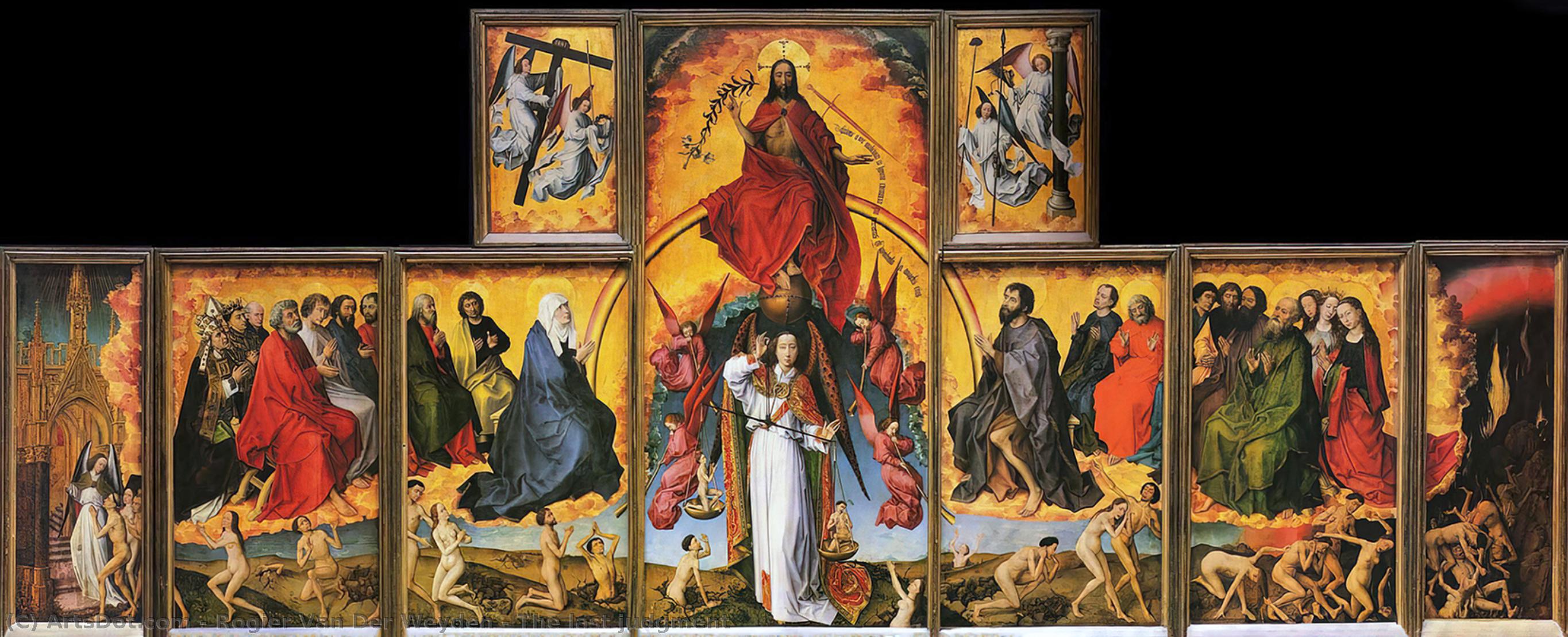
Rogier van der Weyden's "The Last Judgment," painted around 1430-1435, isn’t merely a depiction of biblical narrative; it’s a visceral exploration of human mortality and the agonizing weight of divine judgment. This monumental work, likely intended for a private chapel or a significant civic commission, transcends simple religious illustration to become a profoundly moving meditation on sin, redemption, and the inescapable consequences of earthly actions. Van der Weyden, already recognized as a master of psychological realism in his portraits, here unleashes an intensity rarely seen in Northern European painting of the period, employing techniques that anticipate the dramatic fervor of the Renaissance.
The scene unfolds within a richly detailed architectural setting – a vast, echoing space dominated by a towering crucifix. Figures are arranged in layers, creating a powerful sense of depth and drawing the viewer’s eye into the heart of the drama. Van der Weyden's meticulous attention to detail is immediately apparent: the textures of clothing, the folds of drapery, the subtle variations in skin tone – all rendered with an almost obsessive precision that lends each figure a startlingly lifelike quality. He doesn’t shy away from depicting the grotesque and uncomfortable; the faces of the damned are contorted in agony, their bodies twisted in despair, while those ascending to heaven exhibit expressions ranging from serene acceptance to ecstatic joy. The inclusion of a small dog on the left side adds an unexpected element of pathos – perhaps symbolizing loyalty or even judgment itself.
What distinguishes “The Last Judgment” is not simply its dramatic subject matter, but Van der Weyden's masterful manipulation of color and light. He employs a sophisticated palette – deep reds, blues, and golds contrasted with stark whites – to heighten the emotional impact of the scene. The use of *chiaroscuro*—the dramatic interplay of light and shadow—is particularly effective in sculpting the figures and emphasizing their expressions of torment or hope. Van der Weyden was a pioneer in using oil paints, allowing him to achieve subtle gradations of color and create a luminous quality that was previously unattainable with tempera. This technique allowed for a level of detail and realism that set him apart from his contemporaries.
Furthermore, Van der Weyden’s approach to depicting human emotion is revolutionary. He moves beyond the stylized gestures and idealized expressions common in earlier religious art, capturing moments of raw, unfiltered anguish and profound spiritual yearning. The faces of the damned are not simply frightening; they are heartbreakingly vulnerable, conveying a sense of utter despair. The figures ascending to heaven, while radiating joy, also exhibit a quiet dignity and acceptance that speaks volumes about their faith.
“The Last Judgment” is rich in symbolic meaning. The central crucifix represents Christ’s sacrifice and the gateway to salvation. The arrangement of figures – the damned descending into darkness, the saved ascending towards light – reflects traditional theological interpretations of the afterlife. Van der Weyden's work was created during a period of intense religious fervor and political upheaval in Burgundy, where the powerful Dukes were actively promoting piety and artistic patronage. This commission likely served as a potent reminder of moral responsibility and the consequences of sin within the ruling elite.
Interestingly, this painting is part of a larger polyptych, suggesting it was intended for a private chapel setting. The reverse side of the panel offers further insight into Van der Weyden’s artistic process and his engagement with contemporary trends. The influence of Italian Renaissance art, particularly in its use of perspective and dramatic composition, can be detected in “The Last Judgment,” signaling a shift towards greater realism and emotional intensity within Northern European painting.
“The Last Judgment” remains a profoundly moving work of art. It’s not just a depiction of biblical events; it's an exploration of the human condition—our capacity for both great good and terrible evil, our struggle with mortality, and our yearning for redemption. Van der Weyden’s masterful technique, combined with his profound understanding of human psychology, creates a work that continues to resonate with viewers centuries after its creation. A high-quality reproduction allows us to experience the painting's emotional power and artistic brilliance in our own homes, serving as a constant reminder of the choices we make and their ultimate consequences.

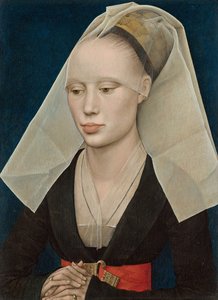
1400 - 1464 , Belgia


Rămâneți la curent cu cele mai recente știri din lumea artei, ofertele noastre exclusive și ideile de decor.
Spuneți-ne despre proiectul dumneavoastră, iar experții noștri în artă vă vor oferi 3 sugestii personalizate.
Vom selecta 3 opțiuni special pentru tine – Gratuit!


 Previzualizare
 Trimite
 Distribuie
 Detalii despre lucrare

 Descarcă
 Produse similare
 Radiografie
 Diapozitive automate
 Vezi mai mult


