


x

 Oil On CanvasWallArtEarly Renaissance
 1496Renaissance
 47.0 x 41.0 cm
Achiziționați o imagine digitală de înaltă rezoluție, îmbunătățită, mult superioară previzualizării online.
Fiecare fișier este pregătit cu meticulozitate de specialiștii noștri interni, utilizând instrumente avansate și retușare manuală expertă. Ne asigurăm că fiecare imagine beneficiază de o claritate excepțională, o acuratețe precisă a culorilor și detalii fine.
Fișierul final este livrat prin e-mail în termen de 72 de ore, optimizat pentru utilizare imediată în medii profesionale, editoriale și de imprimare. Aceasta este aceeași calitate în care au încredere studiouri de design, edituri și galerii de top.
Descărcați un fișier la rezoluție înaltă pentru afișare personală, imprimare și proiecte creative. ( Comandă printul Comandă pictură lucrată manual)
Când alegeți Most-Famous-Paintings.com, nu primiți doar o simplă imagine – primiți o operă de artă digitală îmbunătățită profesional, creată cu precizie și susținută de o garanție de satisfacție. Iată tot ceea ce primești odată cu comanda ta, în mod automat:

Fișierul imaginii digitale la rezoluție înaltă vă va fi trimis prin e-mail în termen de 72 de ore de la finalizarea comenzii – gata pentru utilizare imediată.

Opera ta de artă este optimizată profesional prin intermediul unor instrumente AI avansate și al editării manuale, asigurând un nivel maxim de detalii, claritate și acuratețe a culorilor.

Ai șters sau ai pierdut din greșeală fișierul? Nu îți face griji – ți-l vom retrimite oricând, gratuit.

Bucură-te instant de noua ta operă de artă, fără taxe vamale, taxe de import sau costuri de livrare – descărcările digitale sunt întotdeauna fără taxe.

Asigurăm o reflectare cât mai fidelă a culorilor originale în imaginea ta digitală, prin utilizarea unor instrumente profesionale și a proceselor de gestionare a culorii.

Dacă nu sunteți mulțumit de imaginea digitală achiziționată, o vom revizui sau vă vom returna 100% în termen de 60 de zile – fără nicio explicație necesară.

Nu ești mulțumit? Obține o rambursare completă în termen de 60 de zile de la primirea fișierului tău digital – fără întrebări.

Cumpără 3 imagini, economisește 10% - Cumpără 5, economisește 15% - Cumpără 10+, economisește 20%. Ideal pentru proiecte creative, galerii și agenții.
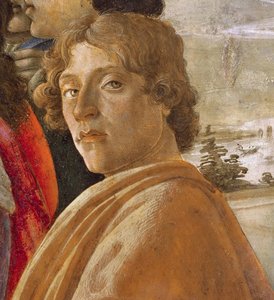
Created in 1496, Sandro Botticelli's "The Outcast" is a deeply moving depiction of human sorrow and isolation. This intimate work offers a poignant glimpse into the emotional landscape of the Renaissance, diverging from his more celebrated mythological scenes to focus on raw, relatable feeling.
The painting centers around a solitary female figure seated upon stone steps, set against the backdrop of what appears to be ancient Roman ruins. Her posture—head bowed, hands clasped loosely in her lap—speaks volumes about grief and despair. The composition is powerfully vertical, emphasized by the archway, the descending steps, and the woman’s own form. This creates a sense of enclosure and confinement, visually mirroring her emotional state. The figure isn't actively *doing* anything; she simply *is*, lost in contemplation or mourning.
Botticelli masterfully employs an oil painting technique characterized by soft blending and subtle gradations of color. The palette is restrained, dominated by warm browns, ochres, and pinkish-red tones that contribute to the melancholic atmosphere. Lines are gentle and flowing, lending a sense of vulnerability to the figure. While rooted in the traditions of early Renaissance realism, “The Outcast” also hints at the emotional intensity that would come to define Romanticism. The texture is suggested through delicate shading, evoking the rough surface of the stone and the weight of the draped fabric.
Late 15th-century Florence was a period of significant social and political upheaval, marked by religious fervor and anxieties. While the precise meaning remains open to interpretation, “The Outcast” likely reflects these broader cultural concerns. The Roman ruins themselves symbolize decay, loss, and the transience of earthly power. Some scholars suggest the figure represents a penitent Magdalene or embodies a more universal experience of suffering and exile. Botticelli’s choice to depict such a vulnerable subject matter is notable, particularly given his earlier focus on idealized beauty.
“The Outcast” isn't a painting that shouts; it whispers. Its power lies in its quiet intimacy and the universality of its theme—the experience of loss, loneliness, and profound sadness. The work invites viewers to empathize with the figure’s plight and contemplate their own experiences of sorrow. It is a testament to Botticelli’s skill as an artist that he can convey such depth of emotion with such restraint.
“The Outcast” stands as a powerful reminder of the enduring human capacity for both suffering and resilience—a timeless work that continues to resonate with audiences centuries after its creation.

1445 - 1510 , Italia


Rămâneți la curent cu cele mai recente știri din lumea artei, ofertele noastre exclusive și ideile de decor.
Spuneți-ne despre proiectul dumneavoastră, iar experții noștri în artă vă vor oferi 3 sugestii personalizate.
Vom selecta 3 opțiuni special pentru tine – Gratuit!


 Previzualizare
 Trimite
 Distribuie
 Detalii despre lucrare

 Descarcă
 Produse similare
 Radiografie
 Diapozitive automate
 Vezi mai mult


