x

 Oil On CanvasWallArtNeoclassicism
 121.0 x 97.0 cm
 Council House
Printuri giclée sau pe canvas de calitate muzeală, cu proces de producție rapid și opțiuni flexibile de finisare. ( Comandă pictură lucrată manual Cumpără imaginea)





























Alegeți dintre dimensiunile noastre prestabilite, care respectă proporțiile originale ale operei de artă.

Puteți introduce propriile dimensiuni pentru a se potrivi unui anumit cadru sau spațiu. Dacă dimensiunea selectată nu corespunde proporțiilor imaginii originale, vom decupa lucrarea de artă sau vom extinde imaginea cu margini oglindite sau cu o culoare uniformă. Un mockup digital va fi trimis pentru aprobarea dumneavoastră înainte de începerea producției.
Vă rugăm să rețineți că previzualizarea de pe ecran nu reflectă decuparea sau extinderea reală. Doar mockup-ul va arăta cu exactitate compoziția finală.
Deși dimensiunile personalizate sunt disponibile, vă recomandăm să selectați o dimensiune din lista predefinită pentru a păstra proporțiile originale.
Livrare în întreaga lume () în 2 săptămâni, în loc de cele 4/5 săptămâni standard. (21 August)


Lord Clare
Dimensiune reproducere
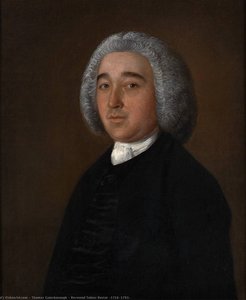
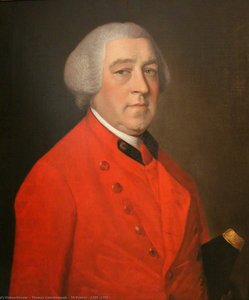
Thomas Gainsborough’s “Lord Clare,” painted in 1759, is more than just a formal portrait; it's a meticulously crafted snapshot of Georgian society and the burgeoning ideals of aristocratic identity. The painting depicts Robert Nugent, 1st Earl of Clare, a prominent figure within the landed gentry, seated against a subtly textured dark background – a choice that immediately draws attention to the subject himself. Gainsborough masterfully employs a restrained palette dominated by rich reds, deep browns, and creamy whites, creating an atmosphere of quiet dignity and understated elegance characteristic of the era. The composition is classically balanced, with Clare occupying the central space, his posture conveying both confidence and a hint of reserved formality – a hallmark of portraiture intended to project status and authority.
Gainsborough’s skill as a painter is immediately evident in the remarkably detailed brushwork. He utilizes short, broken strokes to build up layers of color and texture, particularly noticeable in the folds of Clare's coat and the intricate weave of his wig. The artist’s ability to capture the subtle nuances of light is equally impressive; it’s diffused and soft, casting gentle shadows that define Clare’s features and clothing without harshness. This delicate handling of light contributes significantly to the painting’s overall sense of realism and depth. The use of chiaroscuro – the dramatic contrast between light and dark – subtly emphasizes Clare's face, highlighting his expression and drawing the viewer’s eye directly to his gaze.
“Lord Clare” offers a fascinating glimpse into the world of 18th-century English aristocracy. The elaborate wig, a symbol of wealth and social standing, is meticulously rendered, showcasing the fashionable trends of the time. The documents scattered on the table – likely pertaining to his estate or political affairs – subtly reinforce Clare’s position as a man of influence and responsibility. Research reveals that Robert Nugent was a key figure in Irish politics during this period, holding significant land ownership and navigating complex relationships within the British government. Furthermore, the painting connects to the broader historical context of the de Clare family, tracing back to Norman origins and their enduring presence within English nobility – a lineage reflected in the Earl’s bearing and attire.
Despite its formality, “Lord Clare” possesses an undeniable emotional resonance. Clare's expression is not overtly jovial or demonstrative; rather, it conveys a sense of quiet contemplation and controlled power. He’s a man accustomed to command, yet there’s also a hint of vulnerability beneath the surface. Gainsborough skillfully captures this duality, creating a portrait that invites viewers to contemplate the complexities of aristocratic life – the burdens of responsibility, the weight of tradition, and the subtle nuances of human character. The painting ultimately serves as a powerful reminder of the enduring appeal of portraiture as a means of capturing not just likeness but also essence.
Further Information: For more details on Thomas Gainsborough, Mary Gainsborough (his daughter), Lord Clare, and related historical context, explore these resources:


1727 - 1788 , Regatul Unit al Marii Britanii și Irlandei

Explore the profound beauty of oil on canvas. Discover how impasto textures, masterful brushwork, and light create unparalleled depth in fine art reproductions and custom commissions for discerning collectors.

Explore the profound history and technical brilliance of oil on panel painting. From Renaissance masters to modern techniques, discover why this rigid support offers unparalleled precision and permanence for fine art lovers and collectors.


Rămâneți la curent cu cele mai recente știri din lumea artei, ofertele noastre exclusive și ideile de decor.
Spuneți-ne despre proiectul dumneavoastră, iar experții noștri în artă vă vor oferi 3 sugestii personalizate.
Vom selecta 3 opțiuni special pentru tine – Gratuit!


 Previzualizare
 Trimite
 Distribuie
 Detalii despre lucrare

 Descarcă
 Produse similare
 Radiografie
 Diapozitive automate
 Vezi mai mult







 Opțiunea cu sticlă este disponibilă doar pentru dimensiuni de sub 110 cm