


x

 Oil On CanvasWallArtBaroque Renaissance
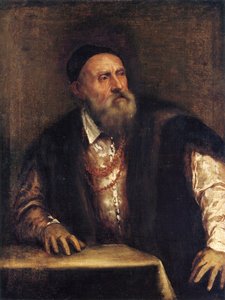
 1548
1548 68.0 x 53.0 cm
 Muzeul Prado
Achiziționați o imagine digitală de înaltă rezoluție, îmbunătățită, mult superioară previzualizării online.
Fiecare fișier este pregătit cu meticulozitate de specialiștii noștri interni, utilizând instrumente avansate și retușare manuală expertă. Ne asigurăm că fiecare imagine beneficiază de o claritate excepțională, o acuratețe precisă a culorilor și detalii fine.
Fișierul final este livrat prin e-mail în termen de 72 de ore, optimizat pentru utilizare imediată în medii profesionale, editoriale și de imprimare. Aceasta este aceeași calitate în care au încredere studiouri de design, edituri și galerii de top.
Descărcați un fișier la rezoluție înaltă pentru afișare personală, imprimare și proiecte creative. ( Comandă printul Comandă pictură lucrată manual)
Când alegeți Most-Famous-Paintings.com, nu primiți doar o simplă imagine – primiți o operă de artă digitală îmbunătățită profesional, creată cu precizie și susținută de o garanție de satisfacție. Iată tot ceea ce primești odată cu comanda ta, în mod automat:

Fișierul imaginii digitale la rezoluție înaltă vă va fi trimis prin e-mail în termen de 72 de ore de la finalizarea comenzii – gata pentru utilizare imediată.

Opera ta de artă este optimizată profesional prin intermediul unor instrumente AI avansate și al editării manuale, asigurând un nivel maxim de detalii, claritate și acuratețe a culorilor.

Ai șters sau ai pierdut din greșeală fișierul? Nu îți face griji – ți-l vom retrimite oricând, gratuit.

Bucură-te instant de noua ta operă de artă, fără taxe vamale, taxe de import sau costuri de livrare – descărcările digitale sunt întotdeauna fără taxe.

Asigurăm o reflectare cât mai fidelă a culorilor originale în imaginea ta digitală, prin utilizarea unor instrumente profesionale și a proceselor de gestionare a culorii.

Dacă nu sunteți mulțumit de imaginea digitală achiziționată, o vom revizui sau vă vom returna 100% în termen de 60 de zile – fără nicio explicație necesară.

Nu ești mulțumit? Obține o rambursare completă în termen de 60 de zile de la primirea fișierului tău digital – fără întrebări.

Cumpără 3 imagini, economisește 10% - Cumpără 5, economisește 15% - Cumpără 10+, economisește 20%. Ideal pentru proiecte creative, galerii și agenții.
Titian’s “Ecce Homo,” painted in 1548, isn't merely a depiction of a biblical scene; it’s a profound meditation on humility, judgment, and the unsettling beauty of human suffering. This oil-on-canvas masterpiece, currently residing within the hallowed halls of the Museo del Prado in Madrid, offers a rare glimpse into the mind of one of the Renaissance’s most influential figures – Tiziano Vecellio, or simply Titian. The painting's stark monochrome palette immediately draws the viewer in, stripping away the distractions of color and focusing entirely on the figure of Christ before him. It’s a deliberate choice that amplifies the gravity of the moment, echoing the solemnity of early Christian iconography while simultaneously hinting at a more personal, almost melancholic contemplation.
The year 1548 marked a pivotal point in Titian’s career. He had recently traveled to Augsburg, Germany, where he was commissioned by Emperor Charles V to paint portraits of the imperial court. This journey coincided with Charles's hard-won victory at the Battle of Mühlberg, a triumph that solidified his power and demanded visual representation. “Ecce Homo,” likely created during this period, serves as a poignant counterpoint to the celebratory imagery often associated with imperial power. Rather than glorifying military might, Titian presents a scene of quiet introspection – a Christ accepting his fate with a profound sadness that resonates deeply within the viewer.
Titian’s mastery lies not just in his subject matter but also in his extraordinary technical skill. The painting's composition is remarkably balanced, with Christ occupying a central position that commands immediate attention. His downward gaze, a direct address to the viewer, creates an intimate connection, as if he’s sharing a private moment of reflection. Notice the subtle modeling of his face – the delicate lines around his eyes and mouth convey a wealth of emotion without resorting to dramatic gestures. The loose brushwork, characteristic of Titian's mature style, lends a sense of immediacy and movement to the scene, preventing it from feeling static or overly formal. The use of *chiaroscuro*, the masterful interplay of light and shadow, further enhances the depth and dimensionality, guiding our eyes towards the central figure and amplifying the emotional impact.
While rooted in the biblical story of Pilate presenting Jesus to the crowd proclaiming “Behold, the Man!”, “Ecce Homo” transcends a simple retelling. The absence of other figures – save for two indistinct individuals in the background – emphasizes Christ’s isolation and vulnerability. This deliberate framing invites contemplation on themes of sacrifice, judgment, and the human condition. Some art historians suggest that Titian may have subtly incorporated elements of Venetian folklore or symbolism into the painting, though these interpretations remain debated. Regardless, the image powerfully evokes a sense of universal sorrow – a recognition of mortality and the weight of responsibility inherent in leadership.
At Most-Famous-Paintings.com, we are dedicated to preserving the beauty and impact of masterpieces like “Ecce Homo.” Our meticulously crafted oil painting reproductions capture every nuance of Titian’s original technique, offering you an exquisite addition to your collection or a stunning focal point for your interior design. Experience the profound emotion and artistic genius of this iconic work firsthand – a timeless testament to the power of art to illuminate the human spirit.

1490 - 1576 , Italia


Rămâneți la curent cu cele mai recente știri din lumea artei, ofertele noastre exclusive și ideile de decor.
Spuneți-ne despre proiectul dumneavoastră, iar experții noștri în artă vă vor oferi 3 sugestii personalizate.
Vom selecta 3 opțiuni special pentru tine – Gratuit!


 Previzualizare
 Trimite
 Distribuie
 Detalii despre lucrare

 Descarcă
 Produse similare
 Radiografie
 Diapozitive automate
 Vezi mai mult


