


x

 Oil On CanvasWallArtBaroque
 1576Renaissance
 352.0 x 349.0 cm
 Gallerie dell’Accademia
Pictură în ulei pe pânză, realizată manual de artiștii noștri la dimensiunea și ramele dorite de dumneavoastră, pe comandă. ( Comandă printul Cumpără imaginea)





























Alegeți dintre dimensiunile noastre prestabilite, care respectă proporțiile originale ale operei de artă.

Puteți introduce propriile dimensiuni pentru a se potrivi unui anumit cadru sau spațiu. Dacă dimensiunea selectată nu corespunde proporțiilor imaginii originale, vom decupa opera de artă sau vom extinde pictura cu elemente suplimentare pictate manual. O simulare digitală vă va fi trimisă pentru aprobare înainte de începerea producției.
Vă rugăm să rețineți că previzualizarea de pe ecran nu reflectă decuparea sau extinderea reală. Doar macheta va arăta cu exactitate compoziția finală.
Deși sunt disponibile dimensiuni personalizate, vă recomandăm să selectați o dimensiune din lista predefinită pentru a păstra proporțiile originale.
Livrare în întreaga lume () în 3-4 săptămâni, în loc de cele 5 săptămâni standard. (22 August). Fără compromisuri în ceea ce privește calitatea.


Pietà
Dimensiune reproducere
In the twilight of the Venetian Renaissance, Tiziano Vecellio, known eternally as Titian, reached a pinnacle of emotional expression that few artists in history have ever matched. His Pietà, completed around 1576, is not merely a depiction of a biblical event; it is a visceral, breathing meditation on grief, faith, and the fragility of life. As one of his final works, it carries the weight of a master reflecting on his own mortality. The canvas captures a moment of profound stillness where the boundaries between the earthly and the divine begin to blur. Through a masterful command of light and shadow, Titian invites the viewer into a sacred space of mourning, making the tragedy of Christ’s passing feel intimately present.
The composition eschews the dramatic, theatrical gestures often found in Mannerist works, opting instead for a hauntingly serene atmosphere. At the heart of the scene, Mary Magdalene kneels in quiet devotion, her posture embodying a tender, protective care as she cradles the head of the lifeless Christ. This central focus is surrounded by a cast of figures that ground the spiritual event in a tangible, human reality. A subtle presence of animals—a loyal dog and a distant bird—adds layers of symbolic texture, representing fidelity and the fleeting nature of life. The arrangement of figures creates a rhythmic flow that guides the eye through a landscape of shadows, leading the observer toward the pale, luminous flesh of Christ, which serves as the painting's emotional and visual anchor.
What truly distinguishes this masterpiece is Titian’s revolutionary approach to color, a technique that would define the Venetian school. He did not simply apply paint; he sculpted with it. By layering translucent glazes over opaque underlayers, Titian achieved an unparalleled luminosity, creating a skin-like glow on the figures that seems to radiate from within. The palette is a sophisticated interplay of pale blues, creamy whites, and deep, somber reds, all infused with subtle tonal variations. This use of color creates an ethereal atmosphere, where the light does not just illuminate the scene but seems to emerge from the very fabric of the sorrow being depicted.
In this late period, Titian’s brushwork became increasingly bold and almost impressionistic. The distinction between form and space begins to dissolve, a technique that lends the work an atmospheric depth known as sfumato taken to its emotional extreme. For the collector or the interior designer, this quality offers a profound sense of movement and texture. A high-quality reproduction of this piece brings more than just a historical artifact into a room; it introduces a dynamic energy. The way the light catches the simulated textures of the heavy fabrics and the soft, wounded flesh provides a focal point that is both intellectually stimulating and aesthetically soothing.
Beyond its technical brilliance, the Pietà serves as a deeply personal document. Painted during a time when the plague ravaged Venice, the work was an ex voto offering—a prayer for survival. The inclusion of a self-portrait within the bearded figure holding Christ’s hand adds a layer of heartbreaking intimacy, suggesting that Titian was projecting his own grief and his plea for his family onto the sacred scene. This intersection of personal tragedy and universal religious iconography is what gives the painting its enduring power.
For those seeking to adorn a space with art that inspires contemplation, this reproduction offers an unparalleled opportunity. It is a piece designed for environments that value depth, history, and emotional resonance. Whether placed in a grand gallery-style living room or a quiet study, Titian’s Pietà acts as a window into the human condition, reminding us of our capacity for profound love and enduring resilience. It is an investment in a legacy of beauty that transcends time, offering a timeless elegance that complements both classical and contemporary interiors.
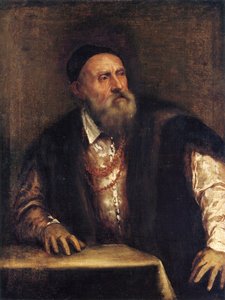
1490 - 1576 , Italia
Descoperă 10 capodopere ale Renașterii – Leonardo da Vinci, Michelangelo, Rafael și alții. Explorează istoria artei italiene, tehnicile unice și frumusețea eternă a picturilor celebre. Reproduceri de artă de calitate muzeală pe Most-Famous-Paintings.com!

Descoperă cele 10 capodopere definitorii ale Manierismului! Explorează stilul unic al artiștilor Pontormo, El Greco și Bronzino. Reproduceri de artă de calitate muzeală pentru un decor elegant. Inspiră-te pe Most-Famous-Paintings.com!
Descoperă 10 capodopere Proto-Renaștere de la Giotto la Duccio! Explorează istoria artei, tehnicile picturii italiene și inspirația din frescele medievale. Reproduceri tablouri de calitate muzeală pe Most-Famous-Paintings.com – pentru un decor artistic unic.
Descoperă top 10 capodopere ale Renașterii Italiene! Explorează poveștile lui Leonardo da Vinci, Michelangelo și Rafael. Reproduceri de artă de lux pentru un decor inspirat pe Most-Famous-Paintings.com
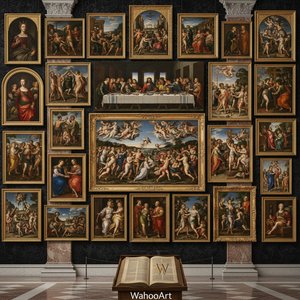
Descoperă cele mai frumoase 25 de picturi ale lui Jacopo Tintoretto! Explorează capodopere renascentiste venețiene, scene biblice dramatice și stilul unic al artistului. Reproduceri artă de calitate muzeală pentru decorul tău pe Most-Famous-Paintings.com.


Rămâneți la curent cu cele mai recente știri din lumea artei, ofertele noastre exclusive și ideile de decor.
Spuneți-ne despre proiectul dumneavoastră, iar experții noștri în artă vă vor oferi 3 sugestii personalizate.
Vom selecta 3 opțiuni special pentru tine – Gratuit!


 Previzualizare
 Trimite
 Distribuie
 Detalii despre lucrare

 Descarcă
 Produse similare
 Radiografie
 Diapozitive automate
 Vezi mai mult







 Opțiunea cu sticlă este disponibilă doar pentru dimensiuni de sub 110 cm


