x

 Oil On CanvasWallArtRenaissance Echo
 154319th Century
 3610.0 x 2420.0 cm
 Muzeul Kunsthistorisches din Viena
Printuri giclée sau pe canvas de calitate muzeală, cu proces de producție rapid și opțiuni flexibile de finisare. ( Comandă pictură lucrată manual Cumpără imaginea)





























Alegeți dintre dimensiunile noastre prestabilite, care respectă proporțiile originale ale operei de artă.

Puteți introduce propriile dimensiuni pentru a se potrivi unui anumit cadru sau spațiu. Dacă dimensiunea selectată nu corespunde proporțiilor imaginii originale, vom decupa lucrarea de artă sau vom extinde imaginea cu margini oglindite sau cu o culoare uniformă. Un mockup digital va fi trimis pentru aprobarea dumneavoastră înainte de începerea producției.
Vă rugăm să rețineți că previzualizarea de pe ecran nu reflectă decuparea sau extinderea reală. Doar mockup-ul va arăta cu exactitate compoziția finală.
Deși dimensiunile personalizate sunt disponibile, vă recomandăm să selectați o dimensiune din lista predefinită pentru a păstra proporțiile originale.
Livrare în întreaga lume () în 2 săptămâni, în loc de cele 4/5 săptămâni standard. (18 August)


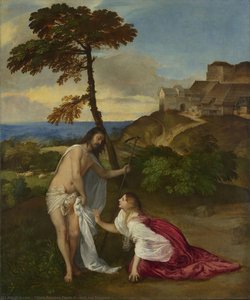
Ecce Homo
Dimensiune reproducere
In the quiet, shadowed depths of Titian Ramsay Peale II’s Ecce Homo, one finds a profound encounter with both the divine and the human. The painting presents a man—unmistakably evocative of Jesus Christ—caught in a singular moment of intense introspection. His downward gaze, heavy with the weight of contemplation, draws the viewer into a sacred space of reflection. With hands pressed against his chest, he appears to be caught between a silent prayer and the crushing reality of his fate. This is not merely a portrait; it is an emotional landscape where the boundaries between the spiritual and the physical blur through the masterful use of chiaroscuro. The dramatic interplay of light and shadow heightens the emotional intensity of the scene, pulling the observer's gaze directly to Christ at the composition's heart.
Completed in a period that saw significant cultural exchange between Europe and America, this work stands as a testament to the enduring influence of Renaissance ideals within the burgeoning artistic landscape of the United States. While Titian Ramsay Peale II was part of a legendary American dynasty—the son of the monumental Charles Willson Peale—his artistic heart remained tethered to the classical masters of the Old World. His style leans heavily toward Mannerism, yet it is tempered by a unique sensibility that reflects his lineage and the broader European currents of his time. Through meticulous attention to detail and a vibrant color palette, Peale II channels the aesthetic principles championed by the Venetian masters, creating a compelling tension between Old World reverence and New World expression.
The subject matter of Ecce Homo confronts viewers with a dramatic depiction of Christ’s Passion—specifically, the harrowing moment he is presented before Pontius Pilate as “the Lamb of God.” The scene is far from static; it is charged with the energy of ancient conflict. Within the composition, one can discern the presence of Roman soldiers and the remnants of a recent skirmish, with swords lying near the ground and horses positioned amidst the crowd. This deliberate choice of subject matter, which was relatively uncommon in certain artistic circles of his era, allows Peale II to explore themes of sacrifice, judgment, and the heavy burden of destiny. For the collector or interior designer, this piece offers more than just visual beauty; it provides a profound narrative anchor, bringing a sense of historical gravity and timeless spiritual depth to any curated space.


1799 - 1885 , SUA
Explore the dramatic mastery of chiaroscuro and tenebrism. From Caravaggio's shadows to Renaissance light, discover how art history's greatest masters used contrast to define emotion and form in this expert guide for art enthusiasts and collectors.

Explore the profound mastery of Rembrandt's chiaroscuro technique. Discover how this Dutch Golden Age master used dramatic light and shadow to capture the human soul through iconic Baroque masterpieces.

Explore the profound power of chiaroscuro and tenebrism. Discover how the Old Masters used light and shadow to create art history's most dramatic masterpieces, from Caravaggio to Ribera, and learn how these techniques define timeless aesthetic beauty.

Explore the dramatic mastery of the Dutch Baroque era. Discover how masters like Rembrandt used chiaroscuro to transform everyday life into timeless art. An expert guide for collectors and enthusiasts seeking to understand the profound interplay of light and shadow.


Rămâneți la curent cu cele mai recente știri din lumea artei, ofertele noastre exclusive și ideile de decor.
Spuneți-ne despre proiectul dumneavoastră, iar experții noștri în artă vă vor oferi 3 sugestii personalizate.
Vom selecta 3 opțiuni special pentru tine – Gratuit!


 Previzualizare
 Trimite
 Distribuie
 Detalii despre lucrare

 Descarcă
 Produse similare
 Radiografie
 Diapozitive automate
 Vezi mai mult







 Opțiunea cu sticlă este disponibilă doar pentru dimensiuni de sub 110 cm