


x

 Oil On CanvasWallArtLate Renaissance
 1575
1575 184.0 x 177.0 cm
 Monasterio de San Lorenzo
Achiziționați o imagine digitală de înaltă rezoluție, îmbunătățită, mult superioară previzualizării online.
Fiecare fișier este pregătit cu meticulozitate de specialiștii noștri interni, utilizând instrumente avansate și retușare manuală expertă. Ne asigurăm că fiecare imagine beneficiază de o claritate excepțională, o acuratețe precisă a culorilor și detalii fine.
Fișierul final este livrat prin e-mail în termen de 72 de ore, optimizat pentru utilizare imediată în medii profesionale, editoriale și de imprimare. Aceasta este aceeași calitate în care au încredere studiouri de design, edituri și galerii de top.
Descărcați un fișier la rezoluție înaltă pentru afișare personală, imprimare și proiecte creative. ( Cumpără print Cumpără pictură lucrată manual)
Când alegeți Most-Famous-Paintings.com, nu primiți doar o simplă imagine – primiți o operă de artă digitală îmbunătățită profesional, creată cu precizie și susținută de o garanție de satisfacție. Iată tot ceea ce primești odată cu comanda ta, în mod automat:

Fișierul imaginii digitale la rezoluție înaltă vă va fi trimis prin e-mail în termen de 72 de ore de la finalizarea comenzii – gata pentru utilizare imediată.

Opera ta de artă este optimizată profesional prin intermediul unor instrumente AI avansate și al editării manuale, asigurând un nivel maxim de detalii, claritate și acuratețe a culorilor.

Ai șters sau ai pierdut din greșeală fișierul? Nu îți face griji – ți-l vom retrimite oricând, gratuit.

Bucură-te instant de noua ta operă de artă, fără taxe vamale, taxe de import sau costuri de livrare – descărcările digitale sunt întotdeauna fără taxe.

Asigurăm o reflectare cât mai fidelă a culorilor originale în imaginea ta digitală, prin utilizarea unor instrumente profesionale și a proceselor de gestionare a culorii.

Dacă nu sunteți mulțumit de imaginea digitală achiziționată, o vom revizui sau vă vom returna 100% în termen de 60 de zile – fără nicio explicație necesară.

Nu ești mulțumit? Obține o rambursare completă în termen de 60 de zile de la primirea fișierului tău digital – fără întrebări.

Cumpără 3 imagini, economisește 10% - Cumpără 5, economisește 15% - Cumpără 10+, economisește 20%. Ideal pentru proiecte creative, galerii și agenții.
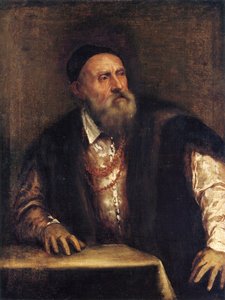
Titian's “St. Jerome,” painted circa 1575, isn’t merely a portrait; it’s an immersion into the profound solitude and spiritual struggle at the heart of one of Christianity’s most revered figures. This oil on canvas, now residing in the Museo Thyssen-Bornemisza in Madrid, transcends simple representation to become a deeply resonant meditation on time, mortality, and the relentless pursuit of divine grace. The painting immediately commands attention with its masterful use of light and shadow – a technique characteristic of Titian’s mature style, where color takes precedence over sharp detail, creating an atmosphere both somber and intensely luminous.
The scene depicts St. Jerome in his iconic study, a rugged cave overlooking a vast, desolate landscape. He is not presented as a triumphant saint, but rather as a man weathered by age and burdened by the weight of his earthly labors – translating the Bible into Latin, a task that consumed decades of his life. His posture is one of quiet contemplation; he’s hunched over a book, a quill resting on a simple wooden desk, yet his gaze is directed upwards, lost in prayer or perhaps wrestling with the immense responsibility of his vocation. The stark contrast between the darkness enveloping him and the faint, ethereal light filtering through the cave entrance speaks volumes about the internal battle he faces – a struggle between earthly desires and the promise of eternal salvation.
Titian’s masterful manipulation of color is central to the painting's power. He eschews vibrant hues, opting instead for a carefully orchestrated palette dominated by muted browns, ochres, and greys – colors that evoke the textures of stone, wood, and worn leather. This monochromatic approach isn’t limiting; rather, it creates an astonishing depth and richness, drawing the viewer into the scene with subtle gradations of tone. Notice how he uses a delicate ash color to define the skull resting on the desk, its starkness amplified by the surrounding earth tones. The red of Jerome's tunic is not flamboyant but deeply saturated, acting as a focal point that anchors the composition and symbolizes his sacrifice and devotion.
The brushwork itself is remarkably loose and expressive, a hallmark of Titian’s later style. He employs rapid, gestural strokes to capture the textures of the landscape – the rough-hewn rock, the tangled branches of the trees, the folds of Jerome's cloak. This technique lends the painting a sense of immediacy and vitality, as if we are witnessing a moment frozen in time. The layering of paint is also evident, creating a tactile quality that invites close inspection.
Beyond the central figure, “St. Jerome” is rich with symbolic elements, each contributing to the painting’s layered meaning. The lion at Jerome's feet – a traditional emblem of St. Jerome – represents strength and vigilance, reminding us of his role as a protector of the scriptures. The hourglass signifies the fleeting nature of time and the urgency of spiritual preparation for death. The two skulls are potent reminders of mortality, urging contemplation on the brevity of earthly life. Even the scattered bottles—a detail often overlooked—suggest the temptations that Jerome resisted during his years of asceticism.
The landscape itself is not merely a backdrop but an active participant in the scene. It’s wild and unforgiving, mirroring the arduous path of spiritual transformation. The distant horizon suggests hope and eternity, while the cave represents the solitary space where Jerome sought communion with God. It's a carefully constructed microcosm reflecting both the inner turmoil and the ultimate aspiration of the saint.
“St. Jerome” is more than just a religious painting; it’s a profound exploration of human experience – the struggle between earthly desires and spiritual longing, the acceptance of mortality, and the enduring power of faith. Painted in the twilight years of Titian's career, this work embodies his mastery of color, composition, and symbolism, solidifying his place as one of history’s greatest artists. Reproductions capture only a fraction of the painting’s emotional depth and nuanced beauty, but they offer a tangible connection to this extraordinary masterpiece—a testament to the enduring power of art to illuminate the human condition.

1490 - 1576 , Italia


Rămâneți la curent cu cele mai recente știri din lumea artei, ofertele noastre exclusive și ideile de decor.
Spuneți-ne despre proiectul dumneavoastră, iar experții noștri în artă vă vor oferi 3 sugestii personalizate.
Vom selecta 3 opțiuni special pentru tine – Gratuit!


 Previzualizare
 Trimite
 Distribuie
 Detalii despre lucrare

 Descarcă
 Produse similare
 Radiografie
 Diapozitive automate
 Vezi mai mult


