x

Репродукции ручной росписи музейного качества и архивные холсты с изображениями самых знаменитых шедевров в истории. Каждое произведение проходит тщательное исследование, создание и доставку с кураторской заботой.
Художники, сформировавшие наше восприятие красоты, света и формы. Наведите курсор, чтобы увидеть их знаковые работы.
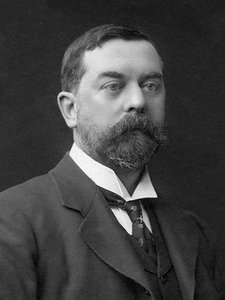
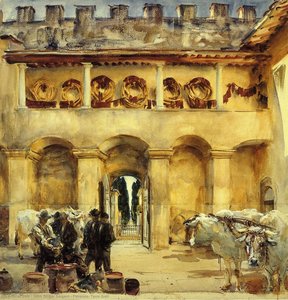
Иконы эпохи Розберри! Джон Сингер Сэджер – американский художник, мастер портретов и живописных пейзажей. Его работы – воплощение элегантности и света!


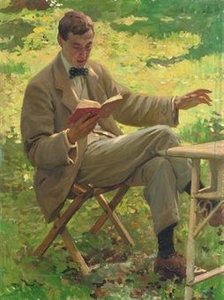
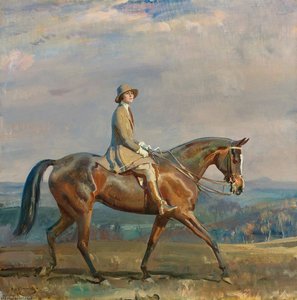
Алиф Джеймс Миннингс – выдающийся английский художник-портретист, знаменитый своими яркими картинами лошадей и сельской Англии. Его работы – это воплощение традиций и романтики! #Миннингс #искусство #Великобритания


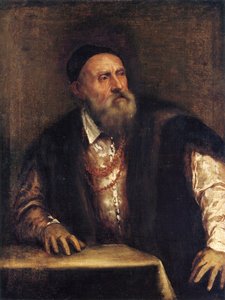
Титян (1488-1576): величайший художник Ренессанса, мастер цвета и света. Его портреты, мифологические сцены и новаторские техники вдохновляют художников до сих пор.

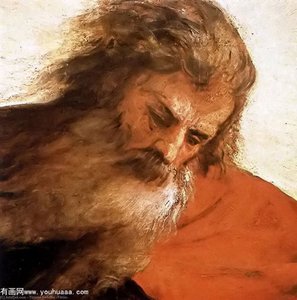

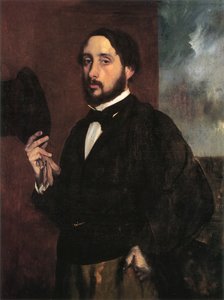
Эдгар Дега: Революционный французский художник, известный своими завораживающими балеринами и изображением парижской жизни – истинный мастер современного искусства.


Василий Кандинский – пионер абстрактного искусства! Его яркие картины, наполненные духовностью и эмоциями, вдохновляют на поиск гармонии в мире цвета и формы.


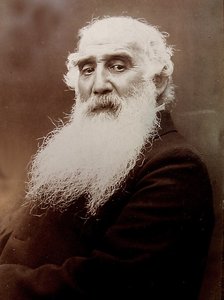
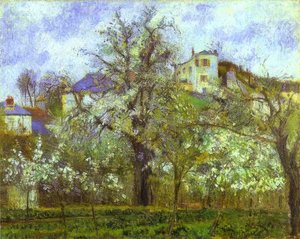
Камиль Писсарро – французский импрессионист и постимпрессионист художник, известный своими пейзажами и изображением жизни в городе. Его работы вдохновляют художников и продолжают радовать зрителей.
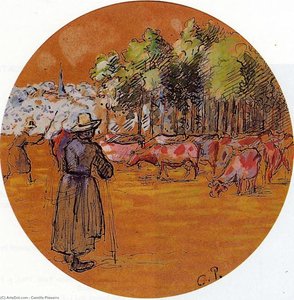


Пауль Гоген – революционер постимпрессионизма! Его яркие краски, экзотические сюжеты и символизм оказали огромное влияние на искусство XX века. От финансов к легендарному художнику!

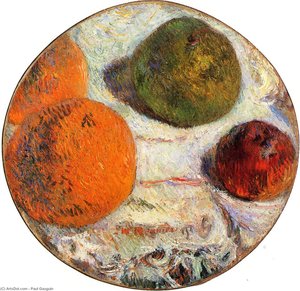
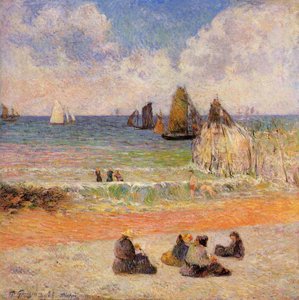

Рубенс – гений барокко! Его динамичные композиции и яркие цвета вдохновляют художников и зрителей по всему миру. Откройте для себя жизнь и искусство великого мастера!


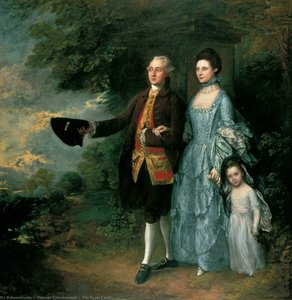
Томас Гейнсборо (1727-1788): исследуйте элегантные портреты и пейзажи британского мастера, основателя Королевской академии и вдохновителя Констебля.
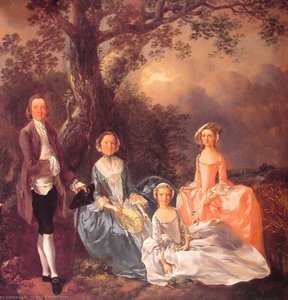
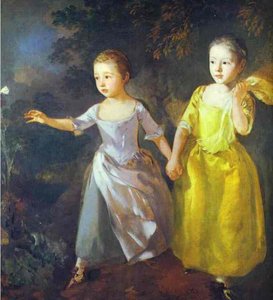
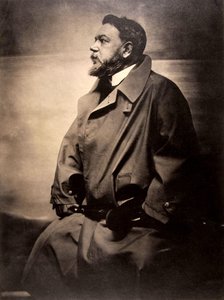
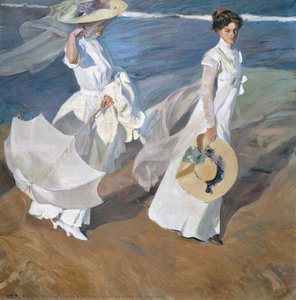
Соролла – испанский мастер света и цвета! Его яркие портреты и морские пейзажи передают дух Средиземноморья. Откройте для себя наследие великого художника!


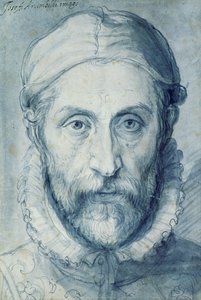
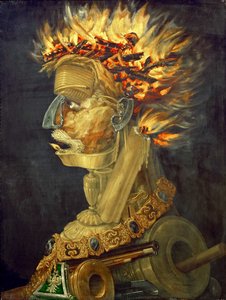
Арчимбольдо – итальянский художник, известный своими сюрреалистическими портретами из фруктов, овощей и книг. Его уникальный стиль предвосхитил сюрреализм и поражает воображение!
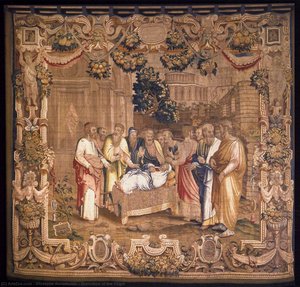

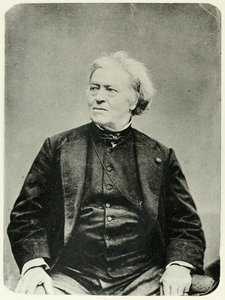
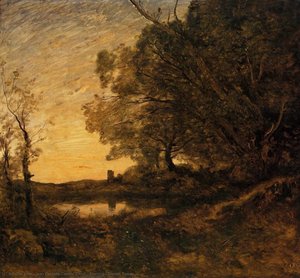
Жан-Батист Кёро – мастер атмосферных пейзажей, соединивший неоклассицизм и импрессионизм. Его умиротворяющие картины и влияние на искусство вечны.


Not a print. A hand-painted oil reproduction of the world's greatest works — framed in solid wood and delivered ready to hang.
Откройте для себя восемь столетий художественных достижений — от византийского золота до современного плюрализма — и найдите произведения, которые найдут отклик в вашей душе.
c. 500–1000 CE
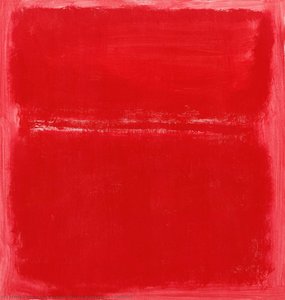
Characterized by the fusion of classical Greco-Roman, Christian, and barbarian artistic traditions across Europe. This era saw the height of Byzantine imperial splendor, the development of intricate insular illumination, and the rise of Carolingian and Ottonian monastic workshops. Art primarily served liturgical functions, emphasizing spiritual abstraction over naturalistic representation.


c. 1000–1300 CE
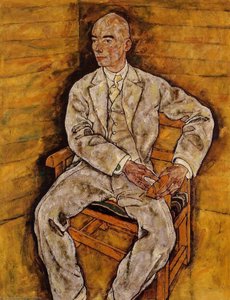
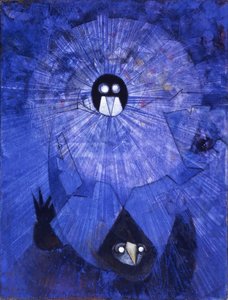
Marked by a dramatic expansion of urban centers and religious institutions across Western Europe. This period witnessed the development of monumental Romanesque stone sculpture and the subsequent birth of the Gothic style, defined by soaring rib vaults and luminous stained glass. Imagery became more expressive, reflecting a deeply structured feudal and ecclesiastical worldview.

c. 1300–1400 CE
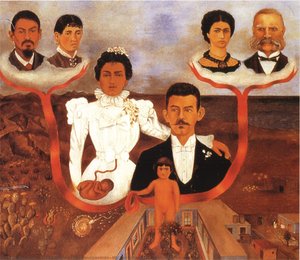
A transformative era defined by profound social shifts and the devastating impact of the Black Death. Artistic production responded with intensely emotive, humanized religious imagery. The International Gothic style brought refined courtly elegance to panel painting, while Italian Proto-Renaissance pioneers began reintroducing spatial depth, laying the groundwork for humanistic naturalism.


c. 1400–1600 CE
Characterized by a self-conscious revival of classical antiquity and the rise of intellectual humanism. Artists revolutionized visual culture through the mathematical mastery of linear perspective, anatomical precision, and the development of oil painting techniques. No longer mere artisans, creators achieved elevated status, balancing secular civic pride with innovative sacred commissions.

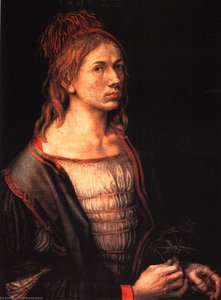
c. 1600–1800 CE
Spanning the dynamic shifts of the seventeenth and eighteenth centuries, this era encompasses the theatrical grandeur of the Baroque and the delicate intimacy of the Rococo. Driven by Counter-Reformation zeal and the wealth of global trade networks, artists manipulated light, shadow, and scale to create emotionally charged, politically potent visual environments.
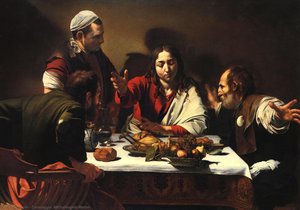
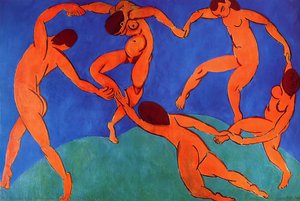

c. 1800–1900 CE
An era of rapid industrialization and socio-political upheaval that shattered traditional academic hegemony. Artistic production fragmented into a succession of revolutionary movements: the emotional intensity of Romanticism, the unvarnished truth of Realism, and the ephemeral light studies of Impressionism. This period fundamentally redefined the relationship between the artist and modern society.
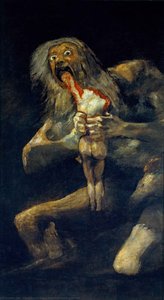
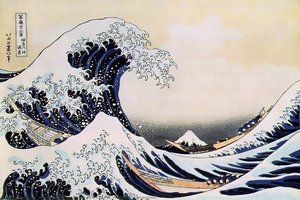
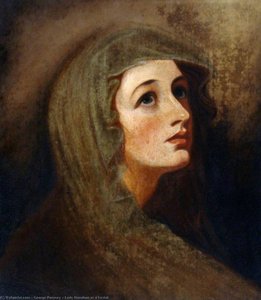
c. 1900–1970 CE
Defined by a radical rejection of traditional representation and the celebration of the avant-garde. Spurred by global conflicts and technological acceleration, artists embraced abstraction and conceptual experimentation. Movements such as Cubism, Expressionism, and Pop Art interrogated the very definition of art, reflecting the fragmented psychological landscape of twentieth-century life.

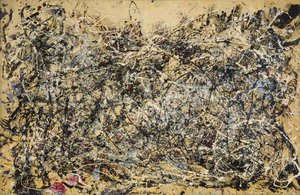

c. 1970–Present
Encompassing diverse artistic practices from the late twentieth century to the present day. Characterized by pluralism and postmodern critique, this era moves beyond singular movements to embrace installation, performance, and digital media. Artists engage directly with global networks, questioning identities, geopolitical structures, and the boundaries of an increasingly interconnected visual culture.
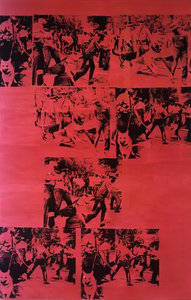


Every great painting, hand-reproduced in oil and delivered ready to hang. Find yours.
Изучайте нашу коллекцию по направлениям, которые изменили взгляд художников на живопись — и то, как мир видит полотна.


Rejecting idealized academic conventions and dramatic romanticism, Realism emerged in the mid-19th century as a deliberate effort to document everyday life with unvarnished objectivity. Painters focused on the working class, mundane tasks, and contemporary social realities, favoring earthy palettes and honest representation over mythologized or heroic subjects.
Исследовать коллекцию
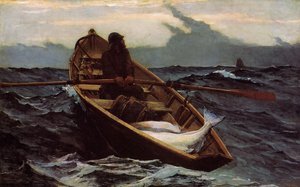

Developed in the late 19th and early 20th centuries, this movement captured the changing landscape of American life with profound honesty. Artists documented rapidly growing urban centers, industrial labor, and quiet rural communities, creating a distinct visual identity that reflected the social transformations, grit, and unique character of a developing nation.
Исследовать коллекцию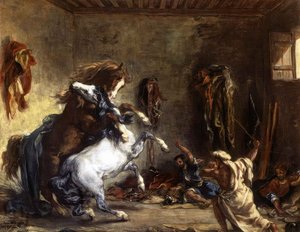

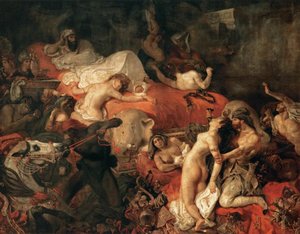
Arising in the late 18th century as a critique of Enlightenment rationalism, Romanticism championed intense emotion, individual imagination, and the awesome power of nature. Artworks from this period frequently feature dramatic compositions, rich colorism, and a fascination with the sublime, emphasizing human vulnerability against vast, untamable elements.
Исследовать коллекцию


Originating in late 19th-century France, Impressionism revolutionized Western painting by discarding formal studio practices for plein-air execution. Characterized by loose, visible brushwork and a vivid palette, artists prioritized the shifting effects of light, atmospheric conditions, and transient everyday moments over precise line and traditional narrative content.
Исследовать коллекцию


Emerging as an extension of and reaction to Impressionism, this diverse late 19th-century movement shifted focus from objective sensory perceptions to structured, symbolic expression. Artists employed vivid, non-naturalistic color, thick paint application, and defined geometric forms to explore personal psychological depths and greater formal order on the canvas.
Исследовать коллекцию


This late 19th-century avant-garde movement rejected literal representation in favor of expressing ideas, psychological states, and spiritual truths through metaphorical imagery. Heavily influenced by poetry and mysticism, artists constructed dreamlike, allegorical scenes that prioritized internal emotions, mythology, and the subconscious over the objective observation of the natural world.
Исследовать коллекцию


Inspired by the archaeological rediscovery of classical antiquity, Neoclassicism dominated the late 18th century by emphasizing rationality, order, and civic virtue. Reacting against late Baroque decorative excesses, paintings feature austere, symmetric compositions, linear precision, smooth surfaces, and historical subject matter designed to inspire moral clarity and political duty.
Исследовать коллекцию

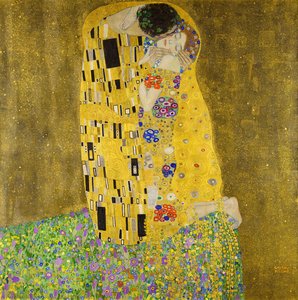
Flourishing at the turn of the 20th century, Art Nouveau sought to break down the traditional hierarchy between fine art and applied arts. Visually defined by sinuous, flowing lines, organic curves, and elegant botanical motifs, the movement aimed to create a harmoniously integrated aesthetic environment encompassing painting, architecture, and decorative objects.
Исследовать коллекцию


Pioneered in the early 20th century, Fauvism was characterized by its revolutionary use of explosive, non-naturalistic color and raw, visible brushwork. Artists liberated color from its traditional descriptive role, employing pure, unmodulated pigments directly from the tube to project intense emotion and establish structural rhythm independent of literal reality.
Исследовать коллекцию


Encouraged by the Counter-Reformation in the 17th century, Baroque art is defined by dynamic movement, theatrical grandeur, and intense emotional appeal. Masters used pronounced chiaroscuro — a sharp contrast between deep shadow and piercing light — to craft deeply immersive, awe-inspiring compositions that engaged the viewer's spirituality through vivid sensory experiences.
Исследовать коллекцию

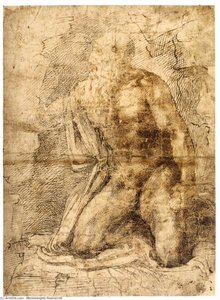
Marking the transition from the medieval period to modernity, the Renaissance witnessed a profound revival of classical Greco-Roman learning and philosophy. Artistically, this era introduced revolutionary advancements in linear perspective, anatomical precision, and balanced, harmonious proportions, synthesizing deep Christian devotion with a newly awakened scientific humanism and naturalism.
Исследовать коллекцию


Originating in early 20th-century northern Europe, Expressionism prioritized the depiction of subjective psychological states over objective external reality. Artists utilized radical formal distortion, harsh jagged lines, and jarring, unnatural colors to project internal anxieties, alienation, and raw emotional intensity, frequently offering a pointed critique of modern industrial society.
Исследовать коллекцию


Founded in the 1920s, Surrealism aimed to bridge the fractured boundaries between dream and reality by liberating the creative power of the subconscious mind. Influenced deeply by psychoanalysis, artists utilized unexpected, bizarre juxtapositions, automatism, and illusionistic techniques to challenge rational thought and explore the poetic logic of the unconscious.
Исследовать коллекцию


Co-founded in the early 20th century, Cubism radically dismantled centuries of traditional perspective by deconstructing objects into flat, geometric facets. Instead of depicting a subject from a single static viewpoint, artists rendered figures from multiple angles simultaneously, asserting the canvas as a conceptual, two-dimensional construction rather than an illusionistic window.
Исследовать коллекцию

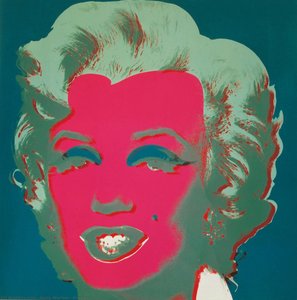
Emerging in the mid-20th century, Pop Art challenged the elitism of traditional fine art by incorporating imagery from popular culture, mass media, and consumerism. Utilizing commercial printing techniques, comic strip aesthetics, and bold advertising palettes, artists mirrored and critiqued post-war society, effectively blurring the boundaries between high and low culture.
Исследовать коллекцию


Developing in post-World War II New York, Abstract Expressionism shifted the focus of painting to pure abstraction and monumental scale. Through spontaneous gestural brushwork, action painting, and expansive color fields, artists sought to communicate universal human emotions and cross-cultural spiritual truths directly from the subconscious, emphasizing the physical act of creation.
Исследовать коллекциюSpanning the late 19th to mid-20th centuries, Modernism represents a broad, experimental break from classical academic traditions in response to rapid industrialization and global change. Embracing the ethos of constant reinvention, artists systematically questioned the nature of representation, exploring fragmentation, abstraction, and the intrinsic qualities of their artistic mediums.
Исследовать коллекциюProduced from the late 20th century to the present, Contemporary art is characterized by a globally diverse, institutionally critical, and technologically fluid landscape. Moving beyond traditional boundaries of style and medium, artists utilize conceptual frameworks, digital tools, and multimedia installations to engage dynamically with urgent themes of identity, globalization, and socio-political critique.
Исследовать коллекциюМы каталогизируем шедевры из тысяч институций по всему миру. Изучайте их коллекции — а затем забирайте произведения искусства к себе домой.

Откройте для себя Коллекцию Менил в Хьюстоне: шедевры сюрреализма Магритта и Эрнста, византийское искусство, современное творчество и сокровища племенного искусства — и все это с бесплатным входом! Уникальный культурный

Откройте коллекцию Честера Дейла в Национальной галерее искусств! 83 шедевра импрессионизма и модернизма: Сезанн, Матисс, Пикассо и др. Бесплатный доступ к искусству в Вашингтоне.

Погрузитесь в мир искусства Филадельфии! Откройте для себя шедевры европейского и американского искусства, знаменитые «Ступени Рокки» и вдохновляющие выставки в музее.
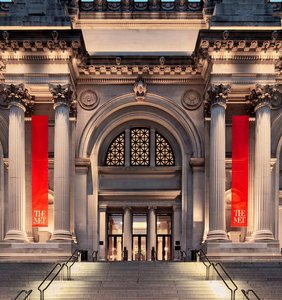
Откройте для себя Metropolitan Museum of Art: 5000 лет искусства со всего мира! Шедевры, древние артефакты и захватывающие выставки – ждет вас глобальное направление в искусстве.
Три интерпретации на общую тему, выбранные нашей редакцией, чтобы помочь вам глубже прочувствовать произведения из нашей коллекции.
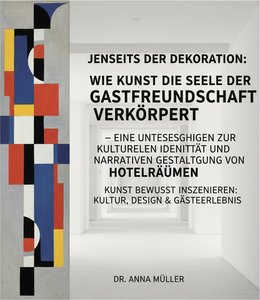 Электронная книга
Узнайте, как искусство и дизайн формируют культурную идентичность отеля! Экспертные советы по созданию уникальной атмосферы, поддержке локальных художников и привлечению гостей. Практические рекоменда
 Электронная книга
Узнайте, как персонализированное искусство превратит корпоративные подарки в мощный инструмент лояльности и укрепления бренда. Экспертные советы и эксклюзивные решения от .
 Электронная книга
Узнайте о роли высококачественных репродукций в элитных галереях и искусстве премиум-класса. Экспертный анализ технологий, юридических аспектов и будущего рынка. Создайте свой шедевр!
Выберите вариант ответа ниже, а затем перейдите по ссылке, чтобы продолжить прохождение теста из пяти вопросов на его специальной странице.
Какая основная цель Пинакотеки Ватикана? — Рим, Италия
Какая основная тема вдохновила Пьета Мондриана на создание картины "Broadway Boogie Woogie"?
Какая основная тема творчества Эдвина Лендсера?
Каждая репродукция берет свое начало в нашем архиве. Мы изучаем подлинное произведение с помощью фотографий музейного качества и научных каталогов, чтобы гарантировать безупречную точность каждого оттенка, текстуры и пропорции.
В нашей студии работают художники, владеющие классической техникой, — многие из них имеют дипломы в области изящных искусств и специализируются на определенных периодах или школах. Каждому мастеру подбираются работы, соответствующие его уровню мастерства.
Холсты из льна и хлопка. Масляные краски со светостойкостью более 100 лет. Лак, по своему составу идентичный тому, что используется в музейной реставрации. Потому что великолепная репродукция заслуживает такого же бережного отношения, как и оригинал.


Будьте в курсе последних новостей из мира искусства, эксклюзивных предложений и идей для оформления интерьера.
Расскажите нам о вашем проекте, и наши эксперты по искусству предложат вам 3 персонализированных варианта произведений искусства.
Мы подберем для вас 3 варианта — бесплатно!