


x

 Oil On CanvasWallArtNorthern Renaissance
 1535
1535 50.0 x 35.0 cm
 Музей Нэлсона-Аткинса
Картина маслом на холсте в выбранном вами размере и раме, написанная на заказ нашими художниками. ( Перейти к печати Переключиться на изображение)





























Выберите один из наших стандартных размеров, соответствующих оригинальным пропорциям произведения искусства.

Вы можете указать собственные размеры, чтобы картина идеально вписалась в выбранную раму или пространство. Если выбранный вами размер не соответствует пропорциям оригинала, мы либо обрежем полотно, либо расширим его за счет дополнительных элементов, написанных вручную. Цифровой макет будет отправлен вам на утверждение перед началом производства.
Обратите внимание, что предварительный просмотр на экране не отражает фактическую обрезку или расширение. Только макет точно покажет окончательную композицию.
Хотя доступны индивидуальные размеры, мы рекомендуем выбирать вариант из предопределенного списка, чтобы сохранить исходные пропорции.
Доставка по всему миру () за 3–4 недели вместо стандартных 5 недель. (6 Август). Без компромиссов в качестве.


The Three Graces
Размер репродукции
Lucas Cranach the Elder’s “The Three Graces” transcends mere depiction; it embodies the very spirit of Northern Renaissance artistry—a harmonious blend of classical ideals and humanist observation. Painted in 1535 during a period marked by religious upheaval, this masterpiece at the Nelson-Atkins Museum of Art stands as a testament to Cranach’s mastery of capturing beauty and conveying profound symbolic meaning.
Style and Influences: Cranach's work firmly establishes itself within the Northern Renaissance tradition. Drawing inspiration from Italian humanist thinkers like Leonardo da Vinci and Michelangelo, he skillfully integrates classical motifs—particularly those derived from Greek mythology—into his compositions. Unlike the opulent grandeur of Florentine art, Cranach’s aesthetic prioritizes restraint and elegance, favoring subtle tonal gradations and meticulous detail to illuminate the human form.
Painting Details and Technique: Executed in oil on panel, “The Three Graces” showcases Cranach's unparalleled technical prowess. The artist employs a pyramidal composition—a hallmark of Renaissance painting—to elevate the figures of Euphrosyne, Aglaea, and Thalia to a position of prominence. Delicate brushstrokes create an illusion of soft flesh tones and drapery folds, capturing the ethereal quality characteristic of Northern Renaissance art. Cranach’s meticulous attention to anatomical accuracy reflects his deep understanding of human anatomy, furthering enhancing the realism of the scene.
Symbolism: The painting's symbolism resonates deeply with humanist beliefs prevalent during Cranach’s time. The Graces—Euphrosyne (Joy), Aglaea (Splendor), and Thalia (Youth)—represent virtues associated with feminine beauty, grace, and prosperity. Their poses are deliberately reminiscent of sculptures by Praxiteles, emphasizing the ideal human form and celebrating divine harmony. The black background serves to heighten the luminosity of the nude figures, directing the viewer’s gaze towards their serene expressions and idealized postures.
Historical Context: Created amidst the Protestant Reformation, “The Three Graces” reflects a renewed interest in classical art as a counterbalance to medieval religious dogma. Cranach's patrons—including Frederick III of Saxony—embraced humanist ideals, fostering an environment conducive to artistic innovation. This painting exemplifies the Renaissance’s commitment to portraying human beauty and virtue with dignity and grace – values that continue to inspire artists and collectors today.
Availability: Explore a stunning reproduction of “The Three Graces” at Most-Famous-Paintings.com, where you can acquire a high-quality print that captures the essence of this iconic Renaissance artwork.


1472 - 1553 , Германия

Погрузитесь в мир искусства! Топ-25 шедевров Метрополитен-музея – Ван Гог, Моне, Рембрандт и другие великие художники. Репродукции картин для вашего дома с Most-Famous-Paintings.com. Вдохновение и декор стен.
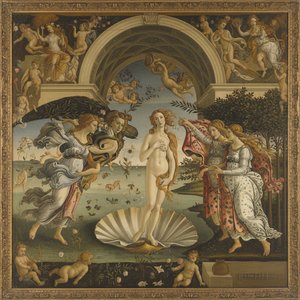
Погрузитесь в мир Сандро Боттичелли! 25 шедевров Ренессанса – "Рождение Венеры", "Весна" и другие культовые картины. Узнайте историю, технику и вдохновение великого художника. Репродукции высокого качества для вашего интерьера на Most-Famous-Paintings.com.
Погрузитесь в эпоху Возрождения! Откройте 10 шедевров Леонардо да Винчи, Рафаэля и Боттичелли. Узнайте историю создания культовых картин и вдохновитесь для декора вашего дома с Most-Famous-Paintings.com. Explore the full collection online!
Погрузитесь в мир Рафаэля! 25 величайших шедевров эпохи Возрождения, полные гармонии и красоты. Узнайте истории создания картин, технику живописи и вдохновитесь для декора интерьера. Репродукции высокого качества на Most-Famous-Paintings.com.

Погрузитесь в эпоху Возрождения! 10 шедевров Леонардо да Винчи, Микеланджело и Рафаэля, отражающих гуманизм. Узнайте историю создания культовых картин и найдите идеальную репродукцию для вашего интерьера на Most-Famous-Paintings.com


Будьте в курсе последних новостей из мира искусства, эксклюзивных предложений и идей для оформления интерьера.
Расскажите нам о вашем проекте, и наши эксперты по искусству предложат вам 3 персонализированных варианта произведений искусства.
Мы подберем для вас 3 варианта — бесплатно!


 Предпросмотр
 Поделиться
 Поделиться
 Детали произведения

 Скачать
 Похожие работы
 Рентгенография
 Слайд-шоу
 Читать далее







 Вариант со стеклом доступен только для размеров менее 110 см


