Продавайте свое искусство
Список желаний Корзина Cart
x
ПредпросмотрПредпросмотр Предпросмотр в ARПредпросмотр в AR Купить принт Купить принтКупить изображение Купить изображение ПоделитьсяПоделиться
Детали произведенияДетали произведения Добавить в избранное Добавить в избранное СкачатьСкачать Похожие работыПохожие работы РентгенографияРентгенография Слайд-шоуСлайд-шоу

Fortitude

Explore Sandro Botticelli’s "Fortitude," a stunning Renaissance portrait of a noblewoman. Admire its linear elegance & rich detail – a timeless masterpiece from Florence.

Сандро Боттичелли (1445-1510) – великий художник Ренессанса, создатель «Рождения Венеры» и «Весны». Его элегантный стиль, мифологические сюжеты и влияние на искусство продолжают восхищать!

Масляная репродукция ручной работы

Картина маслом на холсте в выбранном вами размере и раме, написанная на заказ нашими художниками. (Купить принт Купить принтКупить изображение Купить изображение)

P118B $10
P118H $10
P118W $10
P438Z $10
P508JH $12
P508YH $12
P805H $10
P805Z $10
P919BZ $10
P919G $10
P919XJ $10
P959ZH $10
P968JZ $12
W106C $8
W218G $10
W218JH $8
W218Y $10
W307PJ $10
W316G $10
W316PJ $8
W316Y $10
W398PJ $8
W4111J $10
W500HY $15
W500JH $15
W692G $12
W849H $8
W940BG $15
W953PJ $8

Standard
custom
CM
INCH

Выберите один из наших стандартных размеров, соответствующих оригинальным пропорциям произведения искусства.

ширина
высота

Вы можете указать собственные размеры, чтобы картина идеально вписалась в выбранную раму или пространство. Если выбранный вами размер не соответствует пропорциям оригинала, мы либо обрежем полотно, либо расширим его за счет дополнительных элементов, написанных вручную. Цифровой макет будет отправлен вам на утверждение перед началом производства.
Обратите внимание, что предварительный просмотр на экране не отражает фактическую обрезку или расширение. Только макет точно покажет окончательную композицию.
Хотя доступны индивидуальные размеры, мы рекомендуем выбирать вариант из предопределенного списка, чтобы сохранить исходные пропорции.

Примеры того, что можно изменить: заменить лицо на фото клиента; добавить домашнее животное (например, заменить кошку на собаку); добавить скрытое послание на фон; изменить пейзаж или детали фона.
После оформления заказа команда Most-Famous-Paintings.com свяжется с клиентом по электронной почте для уточнения деталей и предоставит предварительный макет

Доставка по всему миру () за 3–4 недели вместо стандартных 5 недель. (16 Август). Без компромиссов в качестве.

why_choose_icon
Бесплатная экспресс-доставка по всему миру
why_choose_icon
Высококачественный льняной холст
why_choose_icon
Полное страхование доставки
why_choose_icon
Гарантия возмещения таможенных пошлин
why_choose_icon
Гарантия точного соответствия цветов
why_choose_icon
Политика возврата в течение 60 дней (только при наличии дефектов)
why_choose_icon
Гарантия возврата 100% средств
why_choose_icon
Предложение оптовых скидок

Общая стоимость

$ 272

reproduction

Fortitude

Техника репродукции

Размер репродукции

-

Итоговая стоимость

$ 272

Основные сведения

  • Medium: Oil on Canvas
  • Notable elements or techniques: Linear elegance & glazing
  • Artistic style: Classical Composition
  • Influences: Fra Filippo Lippi
  • Year: 1469
  • Title: Fortitude
  • Location: Uffizi Galleries, Florence

Тест по искусству

В каждом вопросе только один правильный ответ.

Вопрос 1:
What artistic movement is Sandro Botticelli’s "Fortitude" primarily associated with?
Вопрос 2:
The pyramidal composition of "Fortitude" emphasizes the subject's prominence. What does this compositional technique convey?
Вопрос 3:
Botticelli utilized glazing techniques to achieve depth and luminosity in "Fortitude." Describe what glazing is.
Вопрос 4:
The painting depicts a noblewoman holding a scepter. What symbolic significance does this emblem represent?
Вопрос 5:
According to the description, what is one prominent characteristic of Botticelli’s artistic style?

Описание произведения

A Vision of Unwavering Resolve

The moment one encounters Sandro Botticelli’s Fortitude, there is an immediate sense of encountering a soul anchored in stability. Painted around 1470, this masterpiece serves as more than a mere portrait; it is a profound visual manifestation of Renaissance virtue. The subject, a noblewoman seated upon a throne, radiates a regal dignity that commands the space around her. Botticelli, working within a cycle of Virtues commissioned for the Medici family, captures an essence of psychological strength that transcends the era in which it was created. Her posture is poised and resolute, embodying the very concept of fortitude—the ability to remain steadfast amidst the shifting tides of fortune. For the discerning collector or interior designer, this piece offers a commanding presence, bringing a sense of historical weight and moral grace to any curated space.

The Mastery of Line and Light

Technically, Fortitude is a triumph of the Florentine school’s meticulous approach to form and texture. Botticelli employs a sophisticated use of linear elegance, where the sharp, precise outlines of the figure's drapery and the architectural elements of the throne create a sense of structural permanence. The composition follows a classic pyramidal structure, drawing the viewer’s eye upward toward the subject's face, which serves as the emotional apex of the work. Through the masterful application of glazing—layering thin, translucent glazes of oil paint—the artist achieves a luminous depth that seems to glow from within. This technique allows light to dance across the surfaces of her attire and the metallic sheen of her armor, creating a palpable realism. The interplay between dramatic highlights and deep, velvety shadows lends the figure a three-dimensional quality, making her presence feel almost tactile within the frame.

Symbolism and the Renaissance Spirit

Every element within this composition is steeped in the humanist intellectualism of the late 15th century. The throne is not merely a seat of power but a symbol of authority and established order, while the scepter or staff held by the figure signifies leadership and wisdom. The subtle inclusion of armor beneath her graceful dress serves as a poignant metaphor for the internal protection required to maintain one's integrity. This duality—the softness of the silk against the hardness of the steel—mirrors the Renaissance ideal of a strength that is both refined and impenetrable. To display such a work is to invite a conversation about resilience and character into a room. It is an evocative piece that resonates with anyone who appreciates the intersection of classical beauty and the enduring power of the human spirit, making it an incomparable choice for those seeking art that inspires contemplation and timeless elegance.

Биография художника

Early Life and Florentine Beginnings

Sandro Botticelli, born Alessandro di Mariano di Vanni Filipepi around 1445 in Florence, Italy, emerged during a period of extraordinary cultural ferment—the Early Renaissance. His life was deeply rooted in the city’s artistic and social fabric; he never strayed far from his neighborhood of Ognissanti, a testament to both familial ties and the vibrant creative ecosystem that nurtured him. His father, Mariano Filipepi, initially a goldsmith and later a tanner, provided an early exposure to craftsmanship and meticulous detail—qualities that would profoundly influence Botticelli’s artistic approach. Though initial reports suggested training as a goldsmith, he soon found his calling under the tutelage of Fra Filippo Lippi, a leading painter of the time. This apprenticeship proved pivotal, immersing him in the techniques and aesthetics of the Florentine school while also connecting him to influential patrons like the Medici family. Botticelli’s early years were shaped by the bustling atmosphere of Florence, a city brimming with artistic innovation and political intrigue—a backdrop that would profoundly impact his creative vision.

A Style Defined by Grace and Myth

Botticelli’s artistic style is instantly recognizable for its lyrical beauty, characterized by elegant linearity, flowing contours, and a delicate use of color. He masterfully bridged the gap between the late Gothic traditions and the burgeoning Renaissance aesthetic, absorbing influences from masters like Fra Angelico and Paolo Uccello yet forging a uniquely personal vision. His figures possess an ethereal quality, often depicted with elongated proportions and graceful poses that convey both serenity and a subtle melancholy. A defining feature of his work is the frequent incorporation of classical mythology—a reflection of the humanist interests sweeping through Renaissance Florence. He didn’t merely illustrate these ancient tales; he imbued them with new layers of meaning, exploring themes of love, beauty, and spiritual longing. Botticelli's approach to composition was revolutionary for its time, moving away from the rigid conventions of medieval art towards a more dynamic and expressive style. His use of color was equally innovative, favoring delicate pastel hues that created an atmosphere of dreamlike beauty.

Iconic Masterpieces and Artistic Development

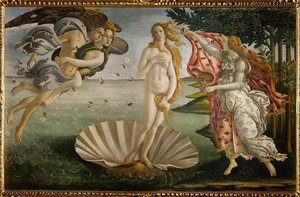
Botticelli’s legacy rests upon a handful of iconic paintings that continue to captivate audiences centuries later. The Birth of Venus, completed around 1486, stands as perhaps his most celebrated work—an allegorical depiction of the goddess emerging from a seashell, embodying Renaissance ideals of beauty and harmony. Its graceful composition, delicate color palette, and evocative symbolism have made it an enduring symbol of the era. Equally renowned is Primavera, created around 1482, a complex and enigmatic painting celebrating spring and love, populated with symbolic figures drawn from classical mythology. These works showcase Botticelli’s mastery of composition, his ability to create atmospheric depth, and his profound understanding of human emotion. His artistic journey unfolded in distinct phases. The early 1470s saw him focusing on religious subjects, honing his technical skills and establishing a reputation for skillful execution. The 1480s marked the peak of his creative powers, with the creation of his most famous mythological paintings. However, the late 1490s witnessed a shift in his style, influenced by the fervent preaching of Girolamo Savonarola—a Dominican friar who condemned what he saw as the decadence and moral corruption of Florence. This period resulted in more austere and emotionally charged works, reflecting a growing spiritual intensity.

Major Works

  • The Birth of Venus (c. 1486): An iconic depiction embodying Renaissance ideals of beauty.
  • Primavera (c. 1482): A complex allegorical painting celebrating spring and love.
  • Adoration of the Magi (1475-1476): Demonstrates early mastery of composition and perspective.
  • Mystic Nativity (1501): Reflects a shift towards spiritual themes in his later career.

Legacy and Rediscovery

Following his death in 1510, Botticelli’s reputation gradually faded into obscurity. For nearly three centuries, his work was largely forgotten, overshadowed by the achievements of High Renaissance masters like Leonardo da Vinci and Michelangelo. However, a remarkable rediscovery occurred in the late 19th century with the rise of the Pre-Raphaelite Brotherhood—a group of English artists who rejected academic conventions and sought inspiration in the art of the early Italian Renaissance. They were captivated by Botticelli’s linear grace, vibrant colors, and poetic sensibility, recognizing him as a kindred spirit. This renewed appreciation sparked a widespread reassessment of his work, establishing him as one of the most important artists of the Early Renaissance. Today, Botticelli is celebrated for his unique artistic vision, his masterful technique, and his enduring ability to evoke beauty, emotion, and spiritual contemplation. His influence can be seen in subsequent generations of artists who have sought to capture the same sense of grace and elegance in their own work. He remains a symbol of Florentine artistic achievement and a testament to the power of Renaissance humanism.
Боттичелли

Боттичелли

1445 - 1510 , Италия

Основные сведения

  • Artistic Movement Or Style: Раннего Возрождения
  • Artists Or Movements Influenced By This Artist: ['Прерафаэлиты']
  • Artists Who Influenced This Artist:
    • Фра Филиппо Липпи
    • Паоло Учелло
  • Date Of Birth: 1445
  • Date Of Death: 1510
  • Full Name: Alessandro di Mariano Filipepi
  • Nationality: Итальянский
  • Notable Artworks:
    • Рождение Венеры
    • Весна
    • Поклонение волхвов
  • Place Of Birth: Флоренция, Италия
Откройте для себя произведения искусства, подобранные по темам, стилям и характеристикам.