x

Картина маслом на холсте в выбранном вами размере и раме, написанная на заказ нашими художниками. ( Перейти к печати Переключиться на изображение)





























Выберите один из наших стандартных размеров, соответствующих оригинальным пропорциям произведения искусства.

Вы можете указать собственные размеры, чтобы картина идеально вписалась в выбранную раму или пространство. Если выбранный вами размер не соответствует пропорциям оригинала, мы либо обрежем полотно, либо расширим его за счет дополнительных элементов, написанных вручную. Цифровой макет будет отправлен вам на утверждение перед началом производства.
Обратите внимание, что предварительный просмотр на экране не отражает фактическую обрезку или расширение. Только макет точно покажет окончательную композицию.
Хотя доступны индивидуальные размеры, мы рекомендуем выбирать вариант из предопределенного списка, чтобы сохранить исходные пропорции.
Доставка по всему миру () за 3–4 недели вместо стандартных 5 недель. (8 Август). Без компромиссов в качестве.


Henri Matisse
Размер репродукции
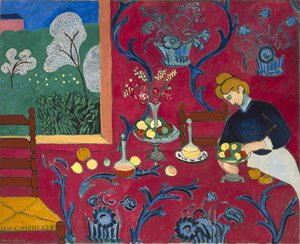
Henri Matisse's "The Conversation," painted in 1909, isn’t merely a depiction of two figures engaged in dialogue; it’s a carefully constructed tableau brimming with Fauvist energy and profoundly personal meaning. Housed within the walls of The Hermitage Museum in St. Petersburg, this oil on canvas offers a rare glimpse into Matisse’s private world – a world where artistic experimentation intertwined seamlessly with his relationship with his wife, Amélie. Initially created for Russian art collector Sergei Shchukin, the painting’s journey through revolution and subsequent donation to the public adds another layer of intrigue to its already captivating narrative.
The scene unfolds within a modestly furnished room, bathed in a deliberately flat, almost theatrical light. Matisse himself stands on the left, his posture suggesting quiet observation, while Amélie sits on the right, her gaze fixed directly upon him. The background is dominated by a window framing a vibrant tree – a subtle yet crucial element that introduces an element of nature and perhaps even a yearning for the outside world into this intimate domestic setting. Noticeably absent are any overt details of their surroundings; the furniture is simplified, the colors bold and unmodulated, characteristic hallmarks of the Fauvist movement. This deliberate reduction of detail forces the viewer to focus entirely on the figures themselves and the unspoken dynamics between them.
Matisse’s masterful use of color is undeniably central to the painting’s impact. He abandons traditional notions of realistic representation, opting instead for a vibrant, almost hallucinatory palette. Deep blues and greens dominate the background, creating a sense of depth and mystery while simultaneously drawing attention to the figures in the foreground. The striped pajamas worn by Matisse – a detail that speaks volumes about his personal habits and preferences – are rendered in a striking combination of yellows and reds, further intensifying the visual drama. This isn’t simply decorative color; it’s an emotional language, conveying mood, atmosphere, and perhaps even subconscious feelings.
The Fauvist style, to which “The Conversation” belongs, prioritized subjective experience over objective reality. Matisse, along with artists like André Derain and Maurice de Vlaminck, sought to express their inner emotions through color alone. They rejected the muted tones of Impressionism in favor of bold, arbitrary hues that aimed to evoke a visceral response in the viewer. This approach is brilliantly exemplified here – the colors don’t simply describe; they *feel*. The intensity of the blues and reds creates a palpable sense of intimacy and perhaps even tension, inviting us to speculate about the nature of their conversation.
Beyond its formal qualities, “The Conversation” offers a poignant glimpse into Matisse’s personal life. The painting was created during a period when he was experimenting with new ways of representing human figures and exploring the relationship between art and everyday experience. Notably, Matisse often painted while wearing his pajamas – a habit that became so ingrained in his routine that it frequently appeared in his work. This detail—the striped pajamas—is not merely a stylistic choice; it’s a declaration of comfort, a testament to his personal preferences, and a subtle commentary on the blurring boundaries between art and life.
Furthermore, the painting's creation was deeply influenced by Sergei Shchukin, a significant patron of modern art who played a crucial role in fostering artistic innovation in Russia. The fact that “The Conversation” hung in Shchukin’s home until it was seized during the Russian Revolution highlights its significance within the broader context of early 20th-century art history. It’s a testament to Matisse’s ability to connect with influential figures and contribute to the evolution of modern artistic expression.
Most-Famous-Paintings offers meticulously crafted, hand-painted reproductions of Henri Matisse’s "The Conversation," allowing you to bring this iconic masterpiece into your own home. Our skilled artists replicate the painting’s vibrant colors and dynamic composition with exceptional attention to detail, ensuring a faithful representation of Matisse’s original vision. Whether you are an art enthusiast, a collector, or simply seeking a stunning piece of decorative art, our reproductions provide a beautiful and authentic way to experience the power and beauty of this seminal work. Explore our range of sizes and framing options to find the perfect addition to your collection – a timeless reminder of Matisse’s genius and his profound exploration of human connection.


1869 - 1954 , Франция
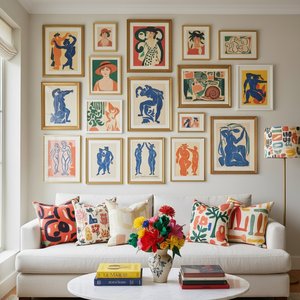
Погрузитесь в мир Анри Матисса! 25 шедевров фовизма, ярких красок и новаторских техник. Узнайте историю создания культовых картин художника и вдохновитесь для интерьера с Most-Famous-Paintings.com – музейное качество репродукций.

Погрузитесь в мир фовизма! 10 шедевров Матисса, Дерена и других мастеров экспрессионизма. Узнайте историю ярких красок и смелых форм. Репродукции картин высокого качества на Most-Famous-Paintings.com – для вашего интерьера.
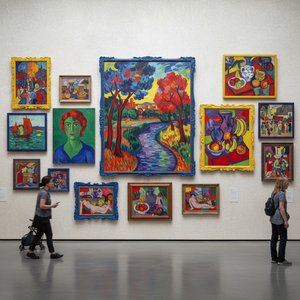
Погрузитесь в мир фовизма! 10 шедевров Матисса, Дерена и других гениев. Узнайте историю ярких красок, революционных техник и вдохновения для вашего интерьера. Репродукции картин на Most-Famous-Paintings.com

Погрузитесь в мир Клода Моне! 25 шедевров импрессионизма, от "Водных лилий" до знаменитых пейзажей. Узнайте историю создания картин и вдохновитесь для декора интерьера. Репродукции музейного качества на Most-Famous-Paintings.com.

Погрузитесь в мир цвета с Most-Famous-Paintings! От импрессионизма Моне до абстракций Кандинского – 10 шедевров, раскрывающих магию цветовой палитры. Узнайте историю искусства и вдохновитесь для декора вашего интерьера. Explore the full collection online!


Будьте в курсе последних новостей из мира искусства, эксклюзивных предложений и идей для оформления интерьера.
Расскажите нам о вашем проекте, и наши эксперты по искусству предложат вам 3 персонализированных варианта произведений искусства.
Мы подберем для вас 3 варианта — бесплатно!


 Предпросмотр
 Поделиться
 Поделиться
 Детали произведения

 Скачать
 Похожие работы
 Рентгенография
 Слайд-шоу

 Читать далее







 Вариант со стеклом доступен только для размеров менее 110 см