x

Ručne maľované reprodukcie múzeálnej kvality a archivné plátno s potlačami najslávnejších historických diel. Každý kus je dôkladne preskumatý, vytvorený a doručený s kurátorskou starostlivosťou.
Maľári, ktorí formovali spôsob, akým ľudstvo vníma krásu, svetlo a tvar. Prejdite myšou cez ich ikonické diela a objavte ich.
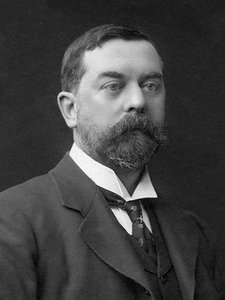
Pozrite si ikonické obrazy John Singer Sargenta! Objavte oslavu svetla a spoločnosti v jeho impresionistických krajinských výstavách a nádherných portrétnych dielach amerického génia.

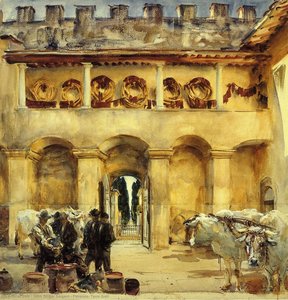

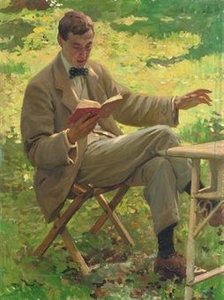
Sir Alfred Munnings – vynikajúci britský maľiar známy svojimi nádhernými obrazmi koní a romantickými krajinskami. Obdivuje sa jeho zachytávanie tradície a spojenia s prírodou.


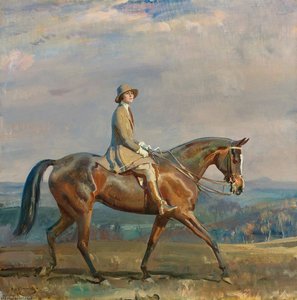
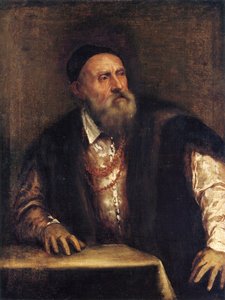
Tiziano Vecellio (Titian): Najvýznamnejší taliansky renesančný maliar, známy svojimi oslnivými farbami a portrétmi. Obdivaný umelec s dlhým vplyvom na európsku výtvarnú históriu.


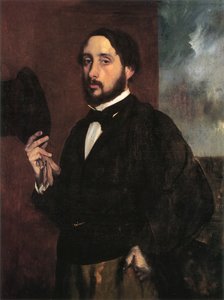
Edgar Degas: Revolučný francúzsky umelec známy svojimi fascinujúcimi obrazmi tanečníčok


Wassily Kandinsky (1866-1944) - ruský umelec, pion abstrakcie. Jeho diela vyjadrujú duchovnosť a emócie prostredníctvom farieb a tvarov. Objevte jeho tvorbu! #Kandinsky #AbstraktnáUmelnosť


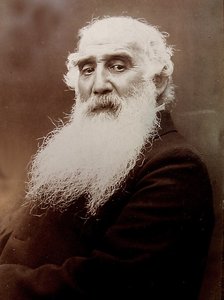
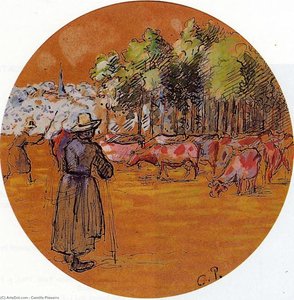
Camille Pissarro: Francúzsky impresionista známy svojimi krajinskami a životom v Paríži a St. Thomas. Vplyvný umelec, mentor Cézanneho a Van Gogha.


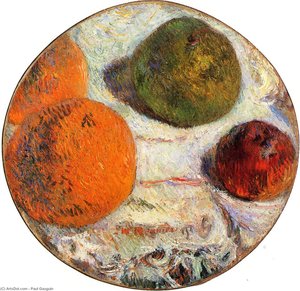
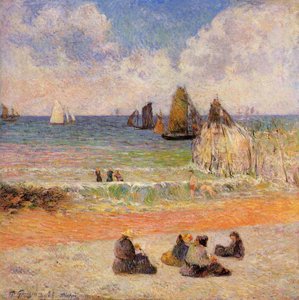
Paul Gauguin: Revolucionárny umelec s výraznými farbami a exotickými motívmi. Jeho diela spájajú impresionizmus, symbolizmus a fascináciu primitívnymi kultúrami. Objevte jeho cestu od financií k legendárnemu umelcovi!


Peter Paul Rubens – geniálny barokový maliar! Dynamické kompozície, bohaté farby & ikonické diela ako 'Zosnutie Krista'. Objavte jeho život a umelky.


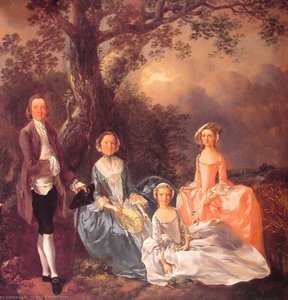
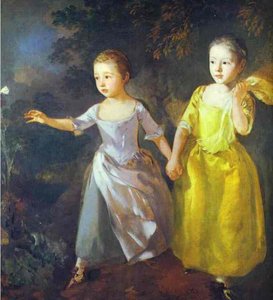
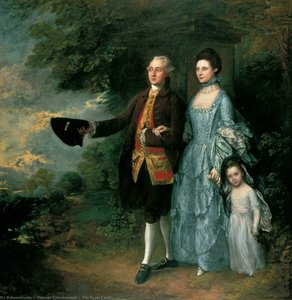
Thomas Gainsborough (1727-1788): Britský maliar známy portrétmi a krajinami, zakladateľ Royal Academy. Jeho diela zachytávajú esenciu anglického venkovu a ľudského ducha.
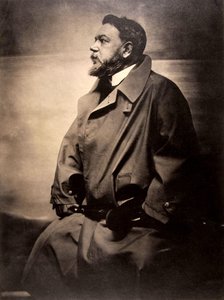
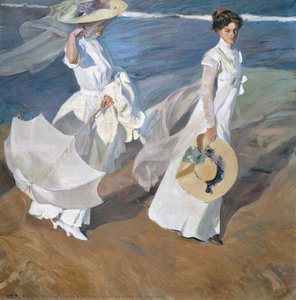
Joaquín Sorolla: Španielska ikonická figura impresionizmu, oslavujúca svetlo pobrežia Valencijskej oblasti. Poznáte jeho tvorbu? Obrazov v múzeách sveta a nezabuditeľné výstavy!


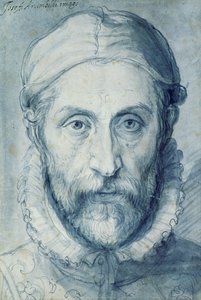
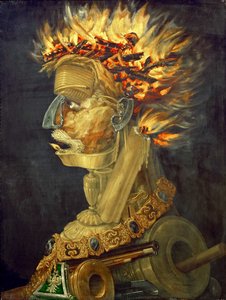
Slovenská Meta Popis: Giuseppe Arcimboldo (1527-1593) bol taliansky maliar známy svojimi fantastickými portrétmi zloženými z ovocia, zeleniny a predmetov. Jeho jedinečný štýl, kombinujúci renesančnú eleganciu s surrealistickým humorom, fascinuje dodnes.
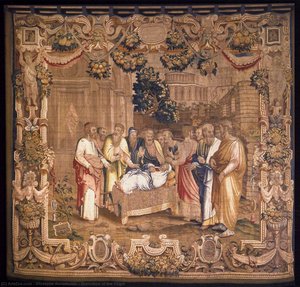

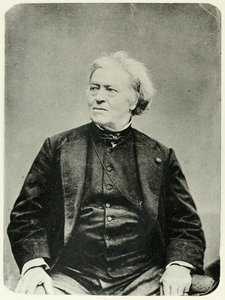
Jean-Baptiste Corot (1796-1875) - francúzsky krajinár, ktorý spájal klasiku s impresionizmom. Jeho pokojné obrazy zachytávajú krásu prírody a ovplyvnili mnohých umelcov.
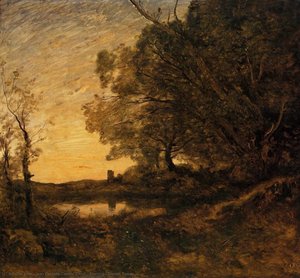


Not a print. A hand-painted oil reproduction of the world's greatest works — framed in solid wood and delivered ready to hang.
Prejdite si osem storočí umeleckých úspechov — od byzantského zlata až po súčasný pluralizmus — a nájdite diela, ktoré vás oslovia.
c. 500–1000 CE
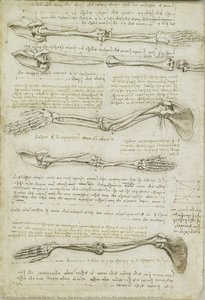
Characterized by the fusion of classical Greco-Roman, Christian, and barbarian artistic traditions across Europe. This era saw the height of Byzantine imperial splendor, the development of intricate insular illumination, and the rise of Carolingian and Ottonian monastic workshops. Art primarily served liturgical functions, emphasizing spiritual abstraction over naturalistic representation.
c. 1000–1300 CE
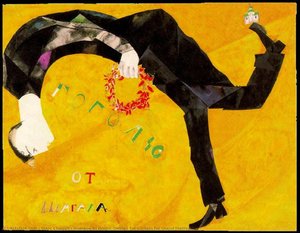
Marked by a dramatic expansion of urban centers and religious institutions across Western Europe. This period witnessed the development of monumental Romanesque stone sculpture and the subsequent birth of the Gothic style, defined by soaring rib vaults and luminous stained glass. Imagery became more expressive, reflecting a deeply structured feudal and ecclesiastical worldview.


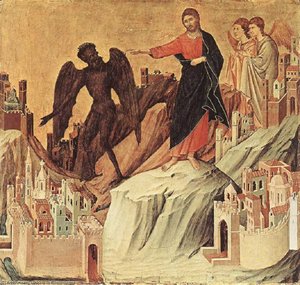
c. 1300–1400 CE
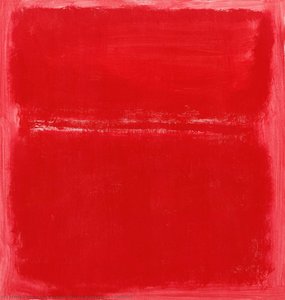
A transformative era defined by profound social shifts and the devastating impact of the Black Death. Artistic production responded with intensely emotive, humanized religious imagery. The International Gothic style brought refined courtly elegance to panel painting, while Italian Proto-Renaissance pioneers began reintroducing spatial depth, laying the groundwork for humanistic naturalism.

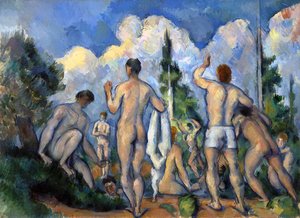
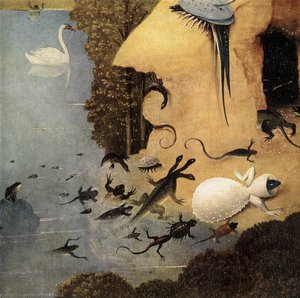
c. 1400–1600 CE
Characterized by a self-conscious revival of classical antiquity and the rise of intellectual humanism. Artists revolutionized visual culture through the mathematical mastery of linear perspective, anatomical precision, and the development of oil painting techniques. No longer mere artisans, creators achieved elevated status, balancing secular civic pride with innovative sacred commissions.

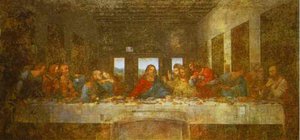

c. 1600–1800 CE
Spanning the dynamic shifts of the seventeenth and eighteenth centuries, this era encompasses the theatrical grandeur of the Baroque and the delicate intimacy of the Rococo. Driven by Counter-Reformation zeal and the wealth of global trade networks, artists manipulated light, shadow, and scale to create emotionally charged, politically potent visual environments.
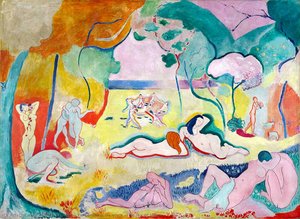

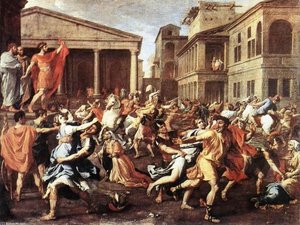
c. 1800–1900 CE
An era of rapid industrialization and socio-political upheaval that shattered traditional academic hegemony. Artistic production fragmented into a succession of revolutionary movements: the emotional intensity of Romanticism, the unvarnished truth of Realism, and the ephemeral light studies of Impressionism. This period fundamentally redefined the relationship between the artist and modern society.
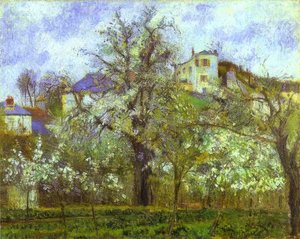
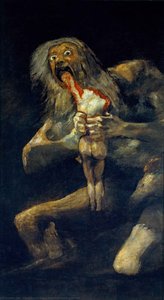
c. 1900–1970 CE
Defined by a radical rejection of traditional representation and the celebration of the avant-garde. Spurred by global conflicts and technological acceleration, artists embraced abstraction and conceptual experimentation. Movements such as Cubism, Expressionism, and Pop Art interrogated the very definition of art, reflecting the fragmented psychological landscape of twentieth-century life.


c. 1970–Present
Encompassing diverse artistic practices from the late twentieth century to the present day. Characterized by pluralism and postmodern critique, this era moves beyond singular movements to embrace installation, performance, and digital media. Artists engage directly with global networks, questioning identities, geopolitical structures, and the boundaries of an increasingly interconnected visual culture.
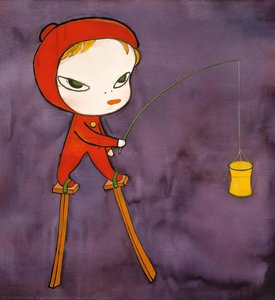


Every great painting, hand-reproduced in oil and delivered ready to hang. Find yours.
Prezerajte si našu kolekciu podľa umeleckých smerov, ktoré pretvorili spôsob, akým maliari vnímali svet — a ako svet vnímal maľby.


Rejecting idealized academic conventions and dramatic romanticism, Realism emerged in the mid-19th century as a deliberate effort to document everyday life with unvarnished objectivity. Painters focused on the working class, mundane tasks, and contemporary social realities, favoring earthy palettes and honest representation over mythologized or heroic subjects.
Preskúmať kolekciu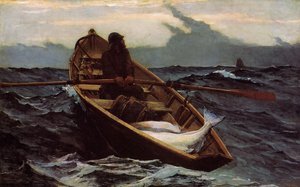


Developed in the late 19th and early 20th centuries, this movement captured the changing landscape of American life with profound honesty. Artists documented rapidly growing urban centers, industrial labor, and quiet rural communities, creating a distinct visual identity that reflected the social transformations, grit, and unique character of a developing nation.
Preskúmať kolekciu


Arising in the late 18th century as a critique of Enlightenment rationalism, Romanticism championed intense emotion, individual imagination, and the awesome power of nature. Artworks from this period frequently feature dramatic compositions, rich colorism, and a fascination with the sublime, emphasizing human vulnerability against vast, untamable elements.
Preskúmať kolekciu


Originating in late 19th-century France, Impressionism revolutionized Western painting by discarding formal studio practices for plein-air execution. Characterized by loose, visible brushwork and a vivid palette, artists prioritized the shifting effects of light, atmospheric conditions, and transient everyday moments over precise line and traditional narrative content.
Preskúmať kolekciu
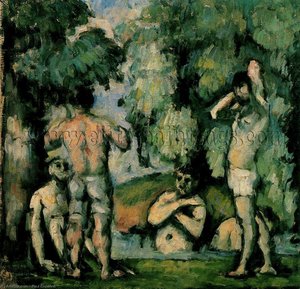

Emerging as an extension of and reaction to Impressionism, this diverse late 19th-century movement shifted focus from objective sensory perceptions to structured, symbolic expression. Artists employed vivid, non-naturalistic color, thick paint application, and defined geometric forms to explore personal psychological depths and greater formal order on the canvas.
Preskúmať kolekciu


This late 19th-century avant-garde movement rejected literal representation in favor of expressing ideas, psychological states, and spiritual truths through metaphorical imagery. Heavily influenced by poetry and mysticism, artists constructed dreamlike, allegorical scenes that prioritized internal emotions, mythology, and the subconscious over the objective observation of the natural world.
Preskúmať kolekciu


Inspired by the archaeological rediscovery of classical antiquity, Neoclassicism dominated the late 18th century by emphasizing rationality, order, and civic virtue. Reacting against late Baroque decorative excesses, paintings feature austere, symmetric compositions, linear precision, smooth surfaces, and historical subject matter designed to inspire moral clarity and political duty.
Preskúmať kolekciu


Flourishing at the turn of the 20th century, Art Nouveau sought to break down the traditional hierarchy between fine art and applied arts. Visually defined by sinuous, flowing lines, organic curves, and elegant botanical motifs, the movement aimed to create a harmoniously integrated aesthetic environment encompassing painting, architecture, and decorative objects.
Preskúmať kolekciu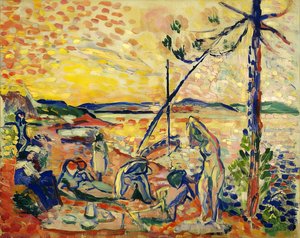
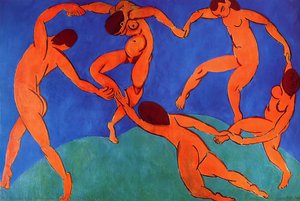

Pioneered in the early 20th century, Fauvism was characterized by its revolutionary use of explosive, non-naturalistic color and raw, visible brushwork. Artists liberated color from its traditional descriptive role, employing pure, unmodulated pigments directly from the tube to project intense emotion and establish structural rhythm independent of literal reality.
Preskúmať kolekciu


Encouraged by the Counter-Reformation in the 17th century, Baroque art is defined by dynamic movement, theatrical grandeur, and intense emotional appeal. Masters used pronounced chiaroscuro — a sharp contrast between deep shadow and piercing light — to craft deeply immersive, awe-inspiring compositions that engaged the viewer's spirituality through vivid sensory experiences.
Preskúmať kolekciu


Marking the transition from the medieval period to modernity, the Renaissance witnessed a profound revival of classical Greco-Roman learning and philosophy. Artistically, this era introduced revolutionary advancements in linear perspective, anatomical precision, and balanced, harmonious proportions, synthesizing deep Christian devotion with a newly awakened scientific humanism and naturalism.
Preskúmať kolekciu

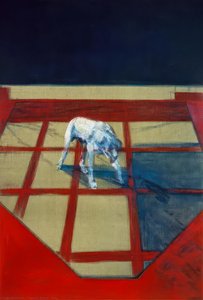
Originating in early 20th-century northern Europe, Expressionism prioritized the depiction of subjective psychological states over objective external reality. Artists utilized radical formal distortion, harsh jagged lines, and jarring, unnatural colors to project internal anxieties, alienation, and raw emotional intensity, frequently offering a pointed critique of modern industrial society.
Preskúmať kolekciu

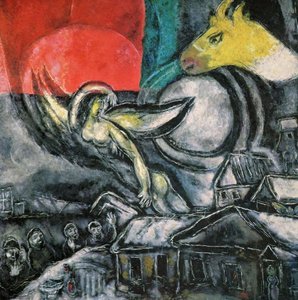
Founded in the 1920s, Surrealism aimed to bridge the fractured boundaries between dream and reality by liberating the creative power of the subconscious mind. Influenced deeply by psychoanalysis, artists utilized unexpected, bizarre juxtapositions, automatism, and illusionistic techniques to challenge rational thought and explore the poetic logic of the unconscious.
Preskúmať kolekciu


Co-founded in the early 20th century, Cubism radically dismantled centuries of traditional perspective by deconstructing objects into flat, geometric facets. Instead of depicting a subject from a single static viewpoint, artists rendered figures from multiple angles simultaneously, asserting the canvas as a conceptual, two-dimensional construction rather than an illusionistic window.
Preskúmať kolekciu
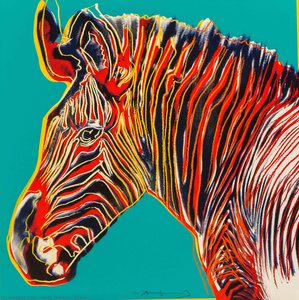
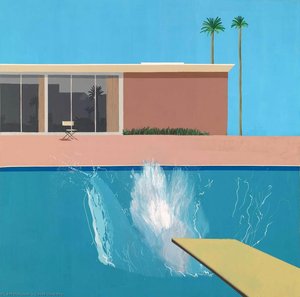
Emerging in the mid-20th century, Pop Art challenged the elitism of traditional fine art by incorporating imagery from popular culture, mass media, and consumerism. Utilizing commercial printing techniques, comic strip aesthetics, and bold advertising palettes, artists mirrored and critiqued post-war society, effectively blurring the boundaries between high and low culture.
Preskúmať kolekciu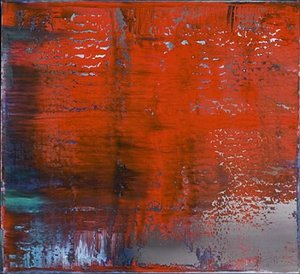


Developing in post-World War II New York, Abstract Expressionism shifted the focus of painting to pure abstraction and monumental scale. Through spontaneous gestural brushwork, action painting, and expansive color fields, artists sought to communicate universal human emotions and cross-cultural spiritual truths directly from the subconscious, emphasizing the physical act of creation.
Preskúmať kolekciuSpanning the late 19th to mid-20th centuries, Modernism represents a broad, experimental break from classical academic traditions in response to rapid industrialization and global change. Embracing the ethos of constant reinvention, artists systematically questioned the nature of representation, exploring fragmentation, abstraction, and the intrinsic qualities of their artistic mediums.
Preskúmať kolekciuProduced from the late 20th century to the present, Contemporary art is characterized by a globally diverse, institutionally critical, and technologically fluid landscape. Moving beyond traditional boundaries of style and medium, artists utilize conceptual frameworks, digital tools, and multimedia installations to engage dynamically with urgent themes of identity, globalization, and socio-political critique.
Preskúmať kolekciuDo nášho katalógu zaraňujeme majstrovské diela z tisícov inštitúcií po celom svete. Preskúmajte ich kolekcie — a potom si tieto diela prineste domov.

Objavte krásne umelecké zbierky začiatku القرن العشرين v Neue Galerie NYC! Pozrite si ikonické obrazové dielka Klimta, tvorbu Kleeho a Schieleho a atmosféru rakúskych kaviaren pri Fifth Avenue.

Muzeum Finých Umení v Bostone: Obdivujte rozsiahlu zbierku umenia z celého sveta, od starovekých artefaktov po moderné diela. Unikátna architektúra a vzrušujúce výstavy pre všetkých milovníkov umenia.
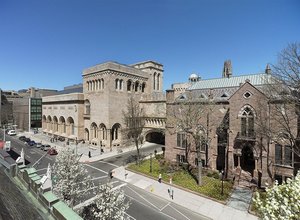
Objavte Yale University Art Gallery v Hartforde! Bohatá zbierka od staroveku po súčasnosť, diela európskych majstrov a architektonické skvosty. Vstup voľný!
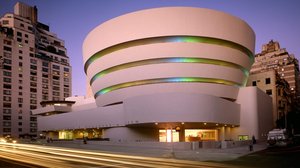
Zažite moderné umenie v ikonickom Guggenheim múzeu NYC! Frank Lloyd Wrightova architektúra, Kandinsky, Picasso a ďalšie majstrovské diela.
Tri čítania na spoločnú tému — vybrané naším redakčným tímom, aby sa vám ešte hlbšie vnímali diela v našej kolekcii.
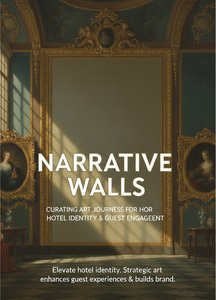 E-kniha
Odborné rady pre hoteliérov o kurátorstve umeleckej zbierky. Vytvorte jedinečnú atmosféru, odzrkadľte históriu a hodnoty vášho hotela s WahooArt.com! Zvýšte prestíž a spokojnosť klientov.
 E-kniha
Obohatte svoj hotel jedinečným umením! Sprievodca pre dizajnérov a majiteľov hotelov o výbere, integrácii a ochrane umeleckých diel. Profesionálne poradenstvo a inšpirácia.
 E-kniha
Preskúmajte svet umeleckej diverzity s WahooArt! Ponúkame kvalitné reprodukcie obrazov na zákazku, personalizované riešenia pre hotelový dizajn a odborné konzultácie. Vytvorte priestor, ktorý odráža v
Nižšie si vyberte jednu odpoveď — potom kliknite na odkaz a pokračujte v päť otázkovom kvíze na jeho vlastnej stránke.
V ktorom meste sa nachádza Reynolds Morse Foundation? — Cleveland, Spojené štáty americké
¿Čo je hlavným štýlom obrazu „Joining Kazan to Russia. Allegory“?
V ktorom meste sa narodil Antonio da Correggio?
Každá reprodukcia začína v našom archíve. Prostredníctvom múzejskej kvality fotografie a odborných katalógov študujeme originálne dielo, aby sme zabezpečili presnosť každej farby, textúry aj každého proporčného detailu.
Naše štúdio zamestnáva maliarov vyškolených v klasickej technike — mnohí z nich majú vysokoškolské vzdelanie v oblasti krásnych umení a špecializáciu na konkrétne obdobia alebo školy. Každý umelec je priradený k dielom, ktoré zodpovedajú jeho majstrovstvu.
Plátna z ľanu a bavlny. Olejové farby s trvavosťou farieb presahujúcou 100 rokov. Lachovanie s formuláciou identickou s tou, ktorá sa používa pri múzeálnej konzervácii. Pretože skvelá reprodukcia si zaslúži rovnakú starostlivosť ako originál.


Zostaňte v obraze s najnovšími správami zo sveta umenia, exkluzívnymi ponukami a nápormi na dekoráciu.
Povedzte nám o svojom projekte a naši odborníci na umenie vám pripravia 3 personalizované návrhy umeleckých diel.
Nechajte si od nás vybrať 3 možnosti priamo pre vás – zadarmo!