x

 Oil On CanvasWallArtPost-Impressionism
 187919th Century
 46.0 x 56.0 cm
Ručne maľovaný olej na plátne vo vašej zvolenej veľkosti a v ráme, vyrobený na mieru našimi umelcami. ( Kúpiť tlač Kúpiť obrázok)





























Vyberte si z našich preddefinovaných rozmerov, ktoré zodpovedajú pôvodným pomeroḿ diela.

Môžete zadať vlastné rozmery tak, aby sa hodili do konkrétneho rámu alebo priestoru. Ak sa váš zvolený rozmer nezhoduje s pôvodnými proporciami obrazu, dielo buď orezáme, alebo ho doplníme ručne maľovanými prvkami. Pred začiatkom výroby vám zašleme digitálny náhľad na schválenie.
Upozorňujeme, že ukážka na obrazovke neodráža skutočné orezanie alebo doplnenie. Skutočnú finálnu kompozíciu zobrazuje iba digitálny náhľad.
Hoci sú k dispozícii vlastné rozmery, odporúčame vybrať rozmer z preddefinovaného zoznamu, aby sme zachovali pôvodné proporcie.
Celosvetová doprava () za 3 až 4 týždne namiesto štandardných 5 týždňov. (15 august). Bez kompromisov v kvalite.


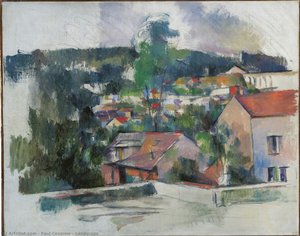
Landscape with Waterline
Veľkosť reprodukcie
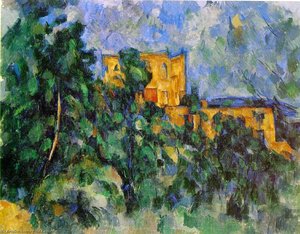
Paul Cézanne’s ‘Landscape with Waterline,’ painted in 1879, stands as a cornerstone of Post-Impressionism and exemplifies the artist's revolutionary approach to depicting nature. More than just a visual record, it’s an exploration of perception itself—a deliberate fracturing of form that foreshadowed the radical innovations of Cubism while retaining a profound sense of serenity.
The painting’s composition is deceptively simple—a vista of a rural landscape punctuated by a prominent tree and distant houses. However, Cézanne didn't strive for photographic accuracy; instead, he employed bold brushstrokes and flattened planes to convey the artist’s subjective experience of the scene. Notice how Cézanne abandons traditional perspective, presenting multiple viewpoints simultaneously—a technique that anticipates Cubist principles but retains a palpable connection to Impressionistic color palettes.
Cézanne meticulously layered pigment onto the canvas, creating an illusion of depth through subtle gradations and textural variations. The tree trunk is rendered as a series of interlocking cylinders, disrupting linear perspective and emphasizing its solidity. Similarly, Cézanne’s handling of foliage contributes to the overall impression of movement and vibrancy.
‘Landscape with Waterline’ emerged during a period of significant artistic upheaval—the waning days of Impressionism and the burgeoning excitement surrounding new experimental styles. Cézanne deliberately rejected the fleeting effects of light favored by his predecessors, opting instead for forms that resist easy categorization. This defiance of convention reflects a broader intellectual movement concerned with questioning established norms and exploring alternative ways of representing reality.
The painting’s placement within the Smith College Museum of Art’s collection underscores its importance as part of a larger narrative of artistic innovation. Alongside works by Sébillot and Ranson, Cézanne's Landscape with Waterline represents a pivotal moment in art history—a decisive step away from representational illusion toward a more expressive and psychologically resonant vision.
Despite its apparent stillness, ‘Landscape with Waterline’ communicates a powerful emotional undertone. Cézanne's masterful use of color—particularly the muted greens and blues—creates an atmosphere of contemplative calm. The solitary figure adds to this sense of solitude, inviting viewers to contemplate the beauty and complexity of the natural world.
Ultimately, Landscape with Waterline transcends mere depiction; it embodies Cézanne’s belief that art should capture not just what is seen but also what is felt—a legacy that continues to inspire artists and collectors alike. Its enduring appeal lies in its ability to evoke a profound appreciation for the transformative power of observation and artistic experimentation.


1839 - 1906 , Francúzsko

Explore the profound history of landscape masterpieces. From the Barbizon School to Monet's Impressionism, discover how timeless natural scenes bring serenity and prestige to your collection through museum-quality, hand-painted oil reproductions.

Discover the evocative world of Tonalism. Explore how masters like Whistler and Tryon used mist, shadow, and subtle color to capture profound mood and atmosphere in landscape art. An expert guide for fine art enthusiasts and collectors.


Zostaňte v obraze s najnovšími správami zo sveta umenia, exkluzívnymi ponukami a nápormi na dekoráciu.
Povedzte nám o svojom projekte a naši odborníci na umenie vám pripravia 3 personalizované návrhy umeleckých diel.
Nechajte si od nás vybrať 3 možnosti priamo pre vás – zadarmo!


 Náhľad
 Odoslať
 Zdieľať
 Podrobnosti o dielo

 Stiahnuť
 Podobné diela
 RTG skúška
 Prezentácia
 Zobraziť viac







 Možnosť skla je dostupná len pri rozmeroch pod 110 cm