x

Ručne maľovaný olej na plátne vo vašej zvolenej veľkosti a v ráme, vyrobený na mieru našimi umelcami. ( Prejsť na tlač Prepnúť na obrázok)





























Vyberte si z našich preddefinovaných rozmerov, ktoré zodpovedajú pôvodným pomeroḿ diela.

Môžete zadať vlastné rozmery tak, aby sa hodili do konkrétneho rámu alebo priestoru. Ak sa váš zvolený rozmer nezhoduje s pôvodnými proporciami obrazu, dielo buď orezáme, alebo ho doplníme ručne maľovanými prvkami. Pred začiatkom výroby vám zašleme digitálny náhľad na schválenie.
Upozorňujeme, že ukážka na obrazovke neodráža skutočné orezanie alebo doplnenie. Skutočnú finálnu kompozíciu zobrazuje iba digitálny náhľad.
Hoci sú k dispozícii vlastné rozmery, odporúčame vybrať rozmer z preddefinovaného zoznamu, aby sme zachovali pôvodné proporcie.
Celosvetová doprava () za 3 až 4 týždne namiesto štandardných 5 týždňov. (9 august). Bez kompromisov v kvalite.


Políček s Lollichonom
Veľkosť reprodukcie
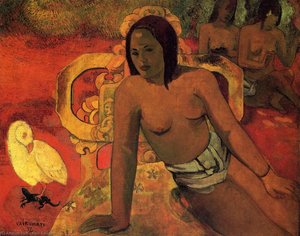
Paul Gauguin's Lollichon Field, painted in 1886 during his sojourn in Pont-Aven, France, isn’t merely a depiction of a village scene; it’s an immersion into a world steeped in quiet contemplation and the enduring beauty of rural life. Housed within the prestigious Los Angeles County Museum of Art (LACMA), this canvas transcends its subject matter to become a profound meditation on harmony, color, and the artist's evolving approach to capturing the essence of human experience. Gauguin, already pushing against the boundaries of Impressionism, sought to move beyond fleeting impressions of light and shadow, instead aiming to convey deeper emotional truths through his art – a desire powerfully realized in this evocative work.
(Image of Lollichon Field by Paul Gauguin)
The painting unfolds with a remarkable simplicity, yet within that apparent ease lies a carefully constructed composition. A cluster of red brick houses, bathed in the soft glow of afternoon light, anchors the scene – humble dwellings suggesting a life lived close to the land. Green trees, rendered with bold strokes and vibrant hues, frame the village, while a grassy field stretches out towards the horizon, inviting the eye into its depths. Scattered throughout this idyllic landscape are figures: individuals engaged in everyday activities—a man standing near the left side of the canvas, another closer to the center, and two more on the right. A dog, positioned at the bottom-left corner, adds a touch of domesticity and companionship. It’s a tableau of ordinary life elevated through Gauguin's artistic vision.
Gauguin’s departure from Impressionism is immediately apparent in his masterful use of color. He abandons the subtle gradations of light and shadow favored by his predecessors, opting instead for bold, saturated hues that vibrate with energy. The reds of the houses are intense, the greens of the trees are lush, and the yellows of the field radiate warmth. Crucially, these colors aren’t applied in a haphazard manner; they're meticulously blended and layered, creating a sense of depth and texture. Gauguin’s vigorous brushwork—short, broken strokes that seem to dance across the canvas—further contributes to the painting’s dynamic quality. This technique wasn’t simply about representation; it was about conveying emotion and movement, capturing the very spirit of the scene.
Lollichon Field stands as a pivotal work within the Post-Impressionist movement. Emerging roughly between 1886 and 1905, this artistic reaction sought to move beyond the limitations of Impressionism’s focus on capturing fleeting moments of light. Artists like Gauguin weren't interested in merely replicating what they saw; they aimed to express their inner feelings and ideas through color, form, and symbolism. Gauguin’s work, particularly during his time in Tahiti, became a cornerstone of this movement, influencing generations of artists to come. His exploration of primitive subjects, coupled with his bold use of color and expressive brushwork, paved the way for movements like Fauvism and Expressionism.
Lollichon Field is more than just a beautiful landscape; it’s a testament to Gauguin's artistic innovation and his profound engagement with the world around him. Its significance extends far beyond its aesthetic qualities, solidifying its place as a crucial piece in the history of modern art. Reproductions offered by Most-Famous-Paintings.com allow you to bring this captivating vision into your own space, experiencing firsthand the power and beauty of Gauguin’s unique artistic voice. Explore a high-quality reproduction today.
Learn more about the Post-Impressionism Art Movement on Most-Famous-Paintings


1848 - 1903 , Francúzsko

Explore the transformative era of Post-Impressionism. Discover how masters like Van Gogh moved beyond light to embrace emotion, structure, and vibrant color, redefining modern art history through expressive brushwork and symbolic depth.


Zostaňte v obraze s najnovšími správami zo sveta umenia, exkluzívnymi ponukami a nápormi na dekoráciu.
Povedzte nám o svojom projekte a naši odborníci na umenie vám pripravia 3 personalizované návrhy umeleckých diel.
Nechajte si od nás vybrať 3 možnosti priamo pre vás – zadarmo!


 Náhľad
 Odoslať
 Zdieľať
 Podrobnosti o dielo

 Stiahnuť
 Podobné diela
 RTG skúška
 Prezentácia

 Zobraziť viac







 Možnosť skla je dostupná len pri rozmeroch pod 110 cm