x


 Preview
 Naročite reprodukcijo Kupi digitalno sliko
 Pošlji
 Podrobnosti o delu
 Dodaj v priljubljene
 Prenesi
 Podobni izdelki
 Rentgenski posnetek
 Predvajaj diaporama
Giclée ali platnati odtis muzejske kakovosti z hitro proizvodnjo in prilagodljivimi možnostmi končne obdelave.





























Izberite eno od naših vnaprej določenih velikosti, ki ustrezajo prvotnim proporcijam umetničkega dela.

Svoje dimenzije lahko vnesete sami, da bodo ustrezne za določen okvir ali prostor. Če izbrana velikost ne bo skladna z razmerji izvirne slike, bomo umetniško delo orezali ali podaljšali s pomočjo ogledalnega odraza ali barvno polnega roba. Pred začetkom proizvodnje vam bomo poslali digitalni predogled za potrditev.
Upoštevajte, da predogled na zaslonu ne prikazuje dejanskega orezovanja ali podaljševanja. Le digitalni predogled bo natančno prikazal končno kompozicijo.
Čeprav so na voljo prilagojene velikosti, priporočamo izbiro dimenzije s predhodno določenega seznama, da ohranite prvotna razmerja.
Globalna dostava () v 2 tednih namesto standardnih 4/5 tednov. (24 julij)


untitled (3063)
Velikost reprodukcije
Andy Warhol's “Untitled (3063)” isn’t merely a depiction of a woman lounging by an umbrella; it’s a carefully constructed tableau that encapsulates the anxieties and aspirations of 1960s America, viewed through the lens of Pop Art’s fascination with celebrity, consumerism, and the fleeting nature of fame. This silkscreen image, though its exact dimensions remain unknown, pulsates with a vibrant energy—a calculated collision of bright hues, bold patterns, and seemingly effortless cool. The composition immediately draws the eye to the central figure, a woman embodying both vulnerability and defiant glamour within her black bikini. Her posture suggests a relaxed contentment, yet there’s an underlying tension, a hint of observation that elevates the scene beyond simple leisure.
Warhol's signature technique—the silkscreen—is crucial to understanding the work’s impact. The process itself, involving transferring ink from a woodblock onto silk fabric and then pressing it onto paper, lends an almost mechanical quality to the image. This deliberate detachment from traditional painting methods mirrors Warhol’s broader critique of artistic conventions. He sought to strip away the romantic notions of authorship and skill, elevating mass production and repetition into forms of art. The resulting surface is remarkably smooth, almost photographic in its clarity, yet simultaneously retains a hand-crafted feel—a testament to Warhol's meticulous control over every detail.
The inclusion of the tennis ball, strategically placed near the woman’s hand, is particularly intriguing. It’s a commonplace object, instantly recognizable as a symbol of sport, competition, and American leisure. However, its presence here subtly shifts its meaning. Rather than representing athletic prowess, it becomes an emblem of superficiality—a fleeting pleasure, easily consumed and discarded. The two additional sports balls – one in the center and another on the right – further amplify this sense of distraction and the prioritization of spectacle over substance.
The green dress with red accents adds another layer to the composition’s complexity. Green is often associated with nature, tranquility, and renewal, while red signifies passion, energy, and even danger. Their juxtaposition creates a dynamic tension—a suggestion that the woman's idyllic scene is simultaneously alluring and potentially unsettling. The clock hanging on the wall above her introduces an element of time, subtly reminding us of the relentless march forward, the pressure to achieve, and the ephemeral nature of beauty.
To fully appreciate “Untitled (3063),” it's essential to consider the historical context in which it was created. The 1960s were a period of profound social and cultural upheaval, marked by the rise of consumerism, the Vietnam War protests, and the burgeoning youth counterculture. Warhol’s work reflects these anxieties and contradictions—celebrating the allure of celebrity while simultaneously critiquing the superficiality of mass media. His use of imagery drawn from advertising, comic books, and Hollywood films tapped into a collective consciousness saturated with visual stimuli.
Furthermore, Warhol's exploration of identity – particularly through his “superstars” – resonated deeply with the era’s fascination with celebrity culture. He blurred the lines between art and commerce, challenging traditional notions of artistic value and authorship. His Factory, a hub for artists, musicians, and socialites, became a microcosm of this shifting cultural landscape—a place where fame was both attainable and ultimately fleeting.
Most-Famous-Paintings offers meticulously crafted hand-painted reproductions of “Untitled (3063),” capturing the essence of Warhol's iconic style with exceptional detail and vibrancy. Our artists replicate the silkscreen technique, faithfully reproducing the smooth surface, bold colors, and subtle nuances of the original artwork. Each reproduction is created using archival-quality materials, ensuring its longevity and preserving the integrity of Warhol’s vision for generations to come. Whether you're a seasoned collector or simply seeking a stunning piece of Pop Art décor, our “Untitled (3063)” reproduction provides an authentic and captivating representation of this seminal work – a timeless reflection on American culture and the pursuit of fleeting moments.

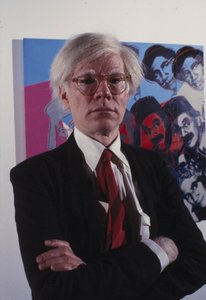
1928 - 1987 , Združene države Amerike
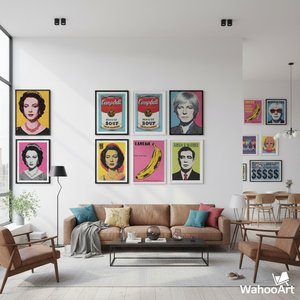
Odkrijte 25 ikoničnih del Andyja Warhola – od Marilyn Monroe do Campbell's Soup Cans. Preberite zgodbe za vsako sliko, tehnike in vpliv pop art gibanja. Kvalitetne reprodukcije slik za vaš dom na Most-Famous-Paintings.com.

Explore the revolutionary art of Andy Warhol & the Pop Art movement. Discover his iconic techniques, cultural impact, and investment potential. A guide for discerning collectors.

Explore the fascinating relationship between color & emotion in art history. Discover how master artists like Matisse & Gauguin used vibrant hues to evoke feelings and cultural meanings. A deep dive for classic art enthusiasts.
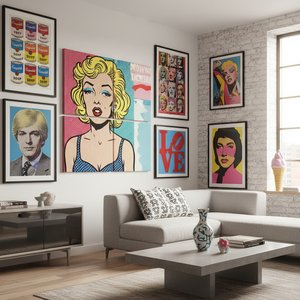
Odkrijte 10 ikoničnih pop art mojstrovin! Preberite zgodbe Andyja Warhola, Roya Lichtensteina in drugih umetnikov. Reprodukcije slik za vaš dom na Most-Famous-Paintings.com – navdih & kakovost.

Explore the captivating evolution of Pop Art through oil painting! Discover contemporary artists reinterpreting iconic imagery & invest in museum-quality reproductions. Expert art consultation at Most-Famous-Paintings.


Bodite na sešte, s najnovejšimi novicami iz sveta umetnosti, ekskluzivnimi ponudbami in idejami za dekoracijo.
Povejte nam o svojem projektu in naši strokovnjaki za umetnost vam bodo pripravili 3 prilagojene predloge umetniških del.
Naj vam izberemo 3 možnosti – popolnoma brezplačno!


 Deli
Deli


 Razviljaj več







 Možnost stekla je na voljo le za velikosti pod 110 cm