


x

 Olje na platnuStenska umetnostAbstract Expressionism
 1943Moderna doba
 97.0 x 24.0 cm
 Hirshhorn Museum and Sculpture Garden
Giclée ali platnati odtis muzejske kakovosti z hitro proizvodnjo in prilagodljivimi možnostmi končne obdelave. ( Kupi ročno naslikano sliko Kupi digitalno sliko)





























Izberite eno od naših vnaprej določenih velikosti, ki ustrezajo prvotnim proporcijam umetničkega dela.

Svoje dimenzije lahko vnesete sami, da bodo ustrezne za določen okvir ali prostor. Če izbrana velikost ne bo skladna z razmerji izvirne slike, bomo umetniško delo orezali ali podaljšali s pomočjo ogledalnega odraza ali barvno polnega roba. Pred začetkom proizvodnje vam bomo poslali digitalni predogled za potrditev.
Upoštevajte, da predogled na zaslonu ne prikazuje dejanskega orezovanja ali podaljševanja. Le digitalni predogled bo natančno prikazal končno kompozicijo.
Čeprav so na voljo prilagojene velikosti, priporočamo izbiro dimenzije s predhodno določenega seznama, da ohranite prvotna razmerja.
Globalna dostava () v 2 tednih namesto standardnih 4/5 tednov. (16 avgust)


Vodospad
Velikost reprodukcije
Arshile Gorky’s “Waterfall,” painted in 1943, isn't merely an image; it’s a visceral reaction to the turbulent landscape of his time – a reflection of personal trauma interwoven with the broader anxieties surrounding World War II and the lingering echoes of the Armenian Genocide.
Rejecting traditional representation, Gorky abandons literal depiction in favor of abstract forms that strive to capture the essence of movement and feeling. Dominating the canvas are sweeping lines reminiscent of flowing water—though not a waterfall itself—creating an impression of dynamism and instability. These curves intertwine with amorphous blobs and elongated shapes, hinting at anatomical fragments – limbs, torsos – yet maintaining an elusive quality that resists definitive interpretation.
Executed in oil paints on canvas, “Waterfall” showcases Gorky’s masterful command of texture. Thick impasto—heavy application of paint—creates areas of sculptural depth and visual interest alongside thinner washes that diffuse color and soften contours. Visible brushstrokes contribute to the painting's expressive character, conveying spontaneity and deliberate consideration simultaneously.
Painted during a period marked by profound upheaval, “Waterfall” speaks directly to Gorky’s experiences as an Armenian survivor witnessing the horrors of genocide. The fragmented composition mirrors the shattered psyche resulting from trauma—a visual metaphor for displacement and vulnerability. Yet, amidst this melancholy undertone lies an undeniable optimism; the painting embodies a transformative impulse – a desire to transcend limitations and embrace new artistic horizons.
The color palette—primarily shades of grey and blue—underscores the painting’s mood of introspection and unease. However, subtle tonal variations suggest hidden depths, hinting at underlying emotions and symbolic resonances. The overall impression is one of melancholy beauty – a poignant reminder that art can convey profound psychological truths without resorting to explicit narrative.
“Waterfall” stands as a testament to Gorky’s artistic courage—a bold assertion of emotion and abstraction that continues to inspire collectors and interior designers alike.


1904 - 1948 , Turčija

Odkrijte 10 mojstrin del abstraktnega ekspresionizma! Pollock, Rothko & De Kooning - zgodbe za kulise ikoničnih umetnin. Inspirirajte se in poiščite reprodukcije na Most-Famous-Paintings.com!
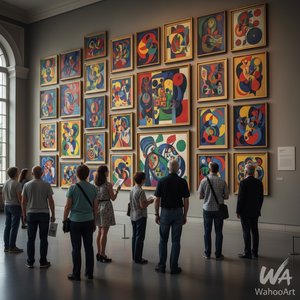
Journey through Wassily Kandinsky's 25 most iconic abstract paintings. Explore his revolutionary use of color, form & spiritual expressionism. Find museum-quality Kandinsky reproductions and elevate your home decor with Most-Famous-Paintings.com. Discover all masterpieces on Most-Famous-Paintings.com!
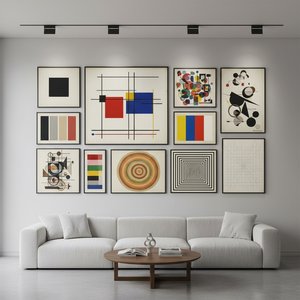
Odkrijte 10 mojstrovin geometrične abstrakcije! Mondrian, Malevich, Kandinsky in drugi. Zgodbe umetnikov, tehnike ter navdih za vaš dom. Kvalitetne reprodukcije slik na Most-Famous-Paintings.com. Raziskajte celotno zbirko online!
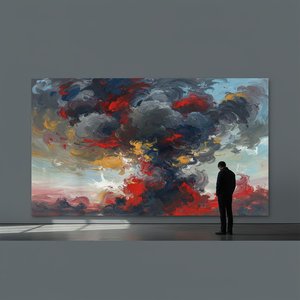
Explore the profound emotional world of Abstract Expressionism with Most-Famous-Paintings. Discover key artists like Pollock & Rothko, learn about collecting, and find museum-quality reproductions to inspire your space.
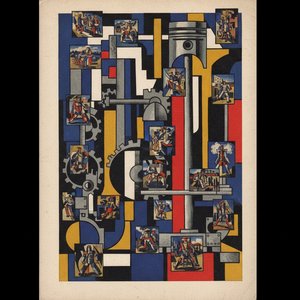
Odkrijte 25 mojstrovin Fernanda Légerja – pionirja kubizma in tubizma. Raziskajte zgodbe, tehnike in navdih za ikonične slike tega modernističnega umetnika. Kvalitetne reprodukcije slik na Most-Famous-Paintings.com.


Bodite na sešte, s najnovejšimi novicami iz sveta umetnosti, ekskluzivnimi ponudbami in idejami za dekoracijo.
Povejte nam o svojem projektu in naši strokovnjaki za umetnost vam bodo pripravili 3 prilagojene predloge umetniških del.
Naj vam izberemo 3 možnosti – popolnoma brezplačno!


 Predogled
 Pošlji
 Deli
Deli
 Podrobnosti o delu

 Prenesi
 Podobni izdelki
 Rentgenski posnetek
 Predvajaj diaporama
 Razviljaj več







 Možnost stekla je na voljo le za velikosti pod 110 cm


