


x

 Acrylic On CanvasWallArtGeorgian Portraiture
 1772
1772 54.0 x 54.0 cm
 National Trust
Giclée ali platnati odtis muzejske kakovosti z hitro proizvodnjo in prilagodljivimi možnostmi končne obdelave. ( Kupi ročno naslikano sliko Kupi digitalno sliko)





























Izberite eno od naših vnaprej določenih velikosti, ki ustrezajo prvotnim proporcijam umetničkega dela.

Svoje dimenzije lahko vnesete sami, da bodo ustrezne za določen okvir ali prostor. Če izbrana velikost ne bo skladna z razmerji izvirne slike, bomo umetniško delo orezali ali podaljšali s pomočjo ogledalnega odraza ali barvno polnega roba. Pred začetkom proizvodnje vam bomo poslali digitalni predogled za potrditev.
Upoštevajte, da predogled na zaslonu ne prikazuje dejanskega orezovanja ali podaljševanja. Le digitalni predogled bo natančno prikazal končno kompozicijo.
Čeprav so na voljo prilagojene velikosti, priporočamo izbiro dimenzije s predhodno določenega seznama, da ohranite prvotna razmerja.
Globalna dostava () v 2 tednih namesto standardnih 4/5 tednov. (18 avgust)


Pike, Tench and Chub
Velikost reprodukcije
Arthur William Devis (1762–1822) stands as a pivotal figure in the landscape of Georgian portraiture, recognized primarily for his masterful execution of ‘conversation pieces,’ intimate depictions that captured not merely likeness but also social milieu. While overshadowed by later artistic trends—particularly Romanticism’s emphasis on dramatic emotion and sublime landscapes—Devis's work retains an enduring appeal due to its quiet elegance and meticulous attention to detail, offering a valuable glimpse into the sensibilities of his era.
Born in London in 1762, Devis descended from a lineage dedicated to artistic pursuits. Following closely in the footsteps of his elder brother Thomas Anthony Devis—also a painter—he embarked on an apprenticeship under the tutelage of Nicolas Antoine Jegouët, a Flemish topographical artist who instilled in him a foundational understanding of perspective and compositional balance. This formative experience decisively shaped Devis’s artistic trajectory, steering him away from grand narratives toward the nuanced portrayal of individuals within domestic settings.
“Pike, Tench and Chub,” painted circa 1772, exemplifies Devis's signature style—characterized by a restrained palette dominated by muted browns, creams, and ochres. The canvas showcases three fish specimens arranged on a richly textured surface, meticulously rendered with oil paint using glazing techniques that achieved remarkable luminosity and depth. These subtle tonal variations contribute to the painting’s overall atmosphere of serene contemplation.
Beyond its technical prowess, “Pike, Tench and Chub” resonates deeply with the intellectual currents of the Enlightenment. The inclusion of fish—particularly pike, tench, and chub—was a deliberate symbolic gesture reflecting the burgeoning interest in natural history and scientific observation prevalent during Devis’s lifetime. These aquatic creatures represented not merely beauty but also resilience and adaptability – qualities valued by thinkers grappling with questions of morality and human understanding.
Furthermore, the painting's placement within Kedleston Hall—a stately mansion owned by William Cavendish, 7th Duke of Devonshire—underscores its significance as a product of aristocratic patronage. The Duke’s fascination with natural history fueled his commissioning of Devis, demonstrating the role of wealthy patrons in fostering artistic innovation and disseminating knowledge.
“Pike, Tench and Chub” remains a testament to Devis's ability to distill complex ideas into visually arresting compositions. Its understated beauty—coupled with its intellectual underpinning—continues to captivate viewers today, cementing Devis’s place as one of the most accomplished portraitists of his generation.


1712 - 1787 , Združeno kraljestvo

Explore the life & work of Arthur William Devis (1762-1822), a key figure in Georgian portraiture and naval history painting. Discover his intimate 'conversation pieces' and captivating depictions of colonial India. Learn more at Most-Famous-Paintings.

Explore the life & work of John Hoppner, a leading Georgian portraitist. Discover his vibrant style, influential patrons, and lasting impact on British art history. Expert insights for collectors.
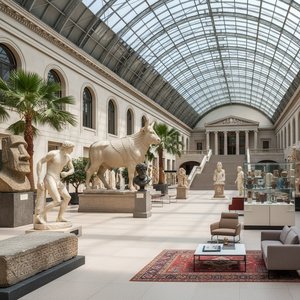
Odkrijte 25 mojstrovin Britanskega muzeja! Preberite zgodbe o slikarjih, tehnikah in nesmrtnih umetninah. Reprodukcije slik, dekoracija doma & navdih za vaš interier na Most-Famous-Paintings.com. Raziščite celotno zbirko online!

Explore the captivating world of Johann Zoffany, master portraitist of Georgian society. Discover his unique 'conversation pieces,' imperial commissions & lasting legacy. A guide for discerning collectors.

Explore the enchanting world of Arthur Rackham (1867-1939), a leading figure in British Golden Age illustration. Discover his iconic fairy tale art, classic book illustrations & lasting legacy. Learn more at Most-Famous-Paintings.


Bodite na sešte, s najnovejšimi novicami iz sveta umetnosti, ekskluzivnimi ponudbami in idejami za dekoracijo.
Povejte nam o svojem projektu in naši strokovnjaki za umetnost vam bodo pripravili 3 prilagojene predloge umetniških del.
Naj vam izberemo 3 možnosti – popolnoma brezplačno!


 Predogled
 Pošlji
 Deli
Deli
 Podrobnosti o delu

 Prenesi
 Podobni izdelki
 Rentgenski posnetek
 Predvajaj diaporama
 Razviljaj več







 Možnost stekla je na voljo le za velikosti pod 110 cm


