x

 Olje na platnuStenska umetnostBaroque
 1606Renesanca
 128.0 x 103.0 cm
 Palazzo Rosso
Kupite digitalno sliko visoke ločljivosti z izboljšano kakovostjo, ki je precej boljša od spletnega predogleda.
Vsaka datoteka je pod natančnim nadzorom naših strokovnjakov, ki uporabljajo napredna orodja in strokovno ročno obdelavo. Zagotovimo, da ima vsaka slika izjemno jasnost, natančnost barv in fine podrobnosti.
Končna datoteka je po e-pošti dostavljena v 72 urah, optimizirana za takojšnjo uporabo v profesionalnem, uredniškem in tiskarskem okolju. To je kakovost, ki ji zaupajo vrhunska oblikovalna studia, založniki in galerije.
Prenesite datoteko visoke ločljivosti za osebno uporabo, tiskanje in kreativne projekte. ( Kupi tisk Kupi ročno naslikano sliko)
Ko izberete Most-Famous-Paintings.com, ne prejmete le slike – prejmete digitalno umetniško delo, ki je profesionalno urejeno, izdelano z natančnostostjo in zavestno zagotovljeno z garancijo za zadovoljstvo. Tukaj je vse, kar samodejno prejmete z vašim naročilom:

Vaša digitalna slika visoke ločljivosti bo na vaš e-naslov poslana v roku 72 ur od zaklopa naročila – pripravljena za takojšnjo uporabo.

Vaše umetniško delo je strokovno optimizirano z uporabo naprednih orodij umetne inteligence in ročne obdelave, kar zagotavlja največjo stopnjo podrobnosti, jasnosti in barvne natančnosti.

Ste zaradi nespremietne napake izgubili ali izbrisali svojo datoteko? Ni težav – vam jo bomo ponovno poslali kadar koli in brezplačno.

Uživajte v svojem umetniškem delu takoj, brez carin, davkov ali stroškov dostave – digitalni prenosi so vedno brezdavčni.

Z uporabo profesionalnih orodij in upravljanja barv zagotavljamo, da vaša digitalna slika čim bolj natančno odraža prvotne barve.

Če niste zadovoljni s svojo digitalno sliko, jo bomo uredili ali vam v 60 dneh povrnili 100% denarja – brez kakršnih koli vprašanj.

Niste zadovoljni? Zagovрите popoln povračilo sredstev v 60 dneh po prejemu digitalne datoteke – brez kakršnih koli vprašanj.

Kupite 3 slike, prihranite 10% - Kupite 5 slik, prihranite 15% - Kupite 10+ slik, prihranite 20%. Odlično za kreativne projekte, galerije in agencije.
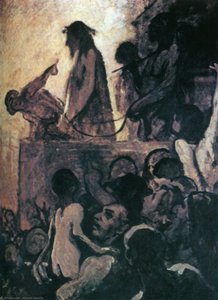
Caravaggio's Ecce Homo, painted circa 1605/06 or 1609 and currently residing in the Palazzo Bianco of Genoa, is not merely a depiction of a biblical scene; it’s a profound exploration of human emotion, faith, and the unsettling nature of power. This arresting image, rendered in oil on canvas measuring 128 x 103 cm, immediately commands attention through its masterful use of chiaroscuro – Caravaggio's signature technique of dramatic light and shadow – creating an atmosphere thick with tension and moral ambiguity. The painting’s impact transcends the historical narrative it portrays, offering a timeless meditation on guilt, judgment, and the fraught relationship between humanity and authority.
The scene itself is deceptively simple: Pontius Pilate, the Roman governor of Judea, presents a scourged and crowned Jesus to a hostile crowd. Three figures dominate the composition – a man being nailed to the cross (likely a symbolic representation of Christ), another holding him down with his hands on his chest, and a third observing the event from behind a balcony. The stark contrast between the bright light illuminating the faces and bodies of these individuals and the enveloping darkness of the background immediately draws the viewer’s eye to the central figure: Jesus himself. His expression is one of profound sorrow and resignation, yet also an unsettling calmness, as if accepting his fate with quiet dignity.
Caravaggio's genius lies not just in his subject matter but in his revolutionary approach to technique. The *Ecce Homo* exemplifies his mastery of chiaroscuro, a technique he developed and perfected throughout his career. He doesn’t simply paint light; he sculpts it, using intense beams to highlight the faces and bodies of the figures while plunging the background into deep shadow. This creates an almost theatrical effect, amplifying the drama and emotional intensity of the scene. Notice how the light seems to emanate from a single source, casting sharp, defined shadows that emphasize the physicality of the figures – their wounds, their muscles, their expressions of anguish. This deliberate manipulation of light isn’t just aesthetic; it serves to draw the viewer's attention directly to Jesus, forcing us to confront his suffering and Pilate’s complicity.
Furthermore, Caravaggio’s use of *tenebrism* – a particularly extreme form of chiaroscuro – intensifies this effect. The figures are almost violently illuminated against the dark backdrop, creating a sense of claustrophobia and highlighting their vulnerability. The stark contrast between light and shadow isn't merely decorative; it’s deeply symbolic, representing the conflict between divine grace and human sin, between hope and despair.
Beyond its immediate visual impact, *Ecce Homo* is rich in symbolism. The crown of thorns, prominently displayed on Jesus' head, immediately evokes the suffering associated with his crucifixion. The man holding him down represents the crowd’s demand for Pilate to execute him, while the observer symbolizes the indifference or complicity of those who witness injustice. Pilate himself, rendered as a somewhat hesitant and conflicted figure, embodies the moral dilemma faced by rulers – the temptation to avoid responsibility and appease the masses. The painting is a powerful commentary on the nature of power, the burden of leadership, and the consequences of inaction.
Painted during a period of intense religious fervor and political upheaval in Italy, *Ecce Homo* reflects the anxieties and uncertainties of the time. Caravaggio’s work was deeply rooted in the Counter-Reformation, and his dramatic depictions of biblical scenes were intended to evoke strong emotional responses in viewers – encouraging piety and repentance. The painting's placement within the Palazzo Bianco, a historic building designed for the Brignole-Sale family, adds another layer of historical context, suggesting a deliberate attempt by the patrons to connect with the themes of suffering and redemption.
Michelangelo Merisi da Caravaggio’s *Ecce Homo* remains one of the most compelling and emotionally resonant works in art history. Its masterful use of chiaroscuro, combined with its profound symbolism and historical context, creates an experience that is both visually stunning and intellectually stimulating. Reproductions of this iconic painting capture a fraction of its original power, offering a window into the heart of human suffering and the complexities of faith. Whether viewed in person or reproduced, *Ecce Homo* continues to challenge viewers to confront uncomfortable truths about themselves and the world around them.

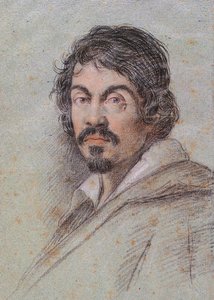
1571 - 1610 , Španija


Bodite na sešte, s najnovejšimi novicami iz sveta umetnosti, ekskluzivnimi ponudbami in idejami za dekoracijo.
Povejte nam o svojem projektu in naši strokovnjaki za umetnost vam bodo pripravili 3 prilagojene predloge umetniških del.
Naj vam izberemo 3 možnosti – popolnoma brezplačno!


 Predogled
 Pošlji
 Deli
Deli
 Podrobnosti o delu

 Prenesi
 Podobni izdelki
 Rentgenski posnetek
 Predvajaj diaporama
 Razviljaj več