x

 Olje na platnuStenska umetnostBaroque
 1603zgodnje moderno obdobje
 300.0 x 203.0 cm
Kupite digitalno sliko visoke ločljivosti z izboljšano kakovostjo, ki je precej boljša od spletnega predogleda.
Vsaka datoteka je pod natančnim nadzorom naših strokovnjakov, ki uporabljajo napredna orodja in strokovno ročno obdelavo. Zagotovimo, da ima vsaka slika izjemno jasnost, natančnost barv in fine podrobnosti.
Končna datoteka je po e-pošti dostavljena v 72 urah, optimizirana za takojšnjo uporabo v profesionalnem, uredniškem in tiskarskem okolju. To je kakovost, ki ji zaupajo vrhunska oblikovalna studia, založniki in galerije.
Prenesite datoteko visoke ločljivosti za osebno uporabo, tiskanje in kreativne projekte. ( Kupi tisk Kupi ročno naslikano sliko)
Ko izberete Most-Famous-Paintings.com, ne prejmete le slike – prejmete digitalno umetniško delo, ki je profesionalno urejeno, izdelano z natančnostostjo in zavestno zagotovljeno z garancijo za zadovoljstvo. Tukaj je vse, kar samodejno prejmete z vašim naročilom:

Vaša digitalna slika visoke ločljivosti bo na vaš e-naslov poslana v roku 72 ur od zaklopa naročila – pripravljena za takojšnjo uporabo.

Vaše umetniško delo je strokovno optimizirano z uporabo naprednih orodij umetne inteligence in ročne obdelave, kar zagotavlja največjo stopnjo podrobnosti, jasnosti in barvne natančnosti.

Ste zaradi nespremietne napake izgubili ali izbrisali svojo datoteko? Ni težav – vam jo bomo ponovno poslali kadar koli in brezplačno.

Uživajte v svojem umetniškem delu takoj, brez carin, davkov ali stroškov dostave – digitalni prenosi so vedno brezdavčni.

Z uporabo profesionalnih orodij in upravljanja barv zagotavljamo, da vaša digitalna slika čim bolj natančno odraža prvotne barve.

Če niste zadovoljni s svojo digitalno sliko, jo bomo uredili ali vam v 60 dneh povrnili 100% denarja – brez kakršnih koli vprašanj.

Niste zadovoljni? Zagovрите popoln povračilo sredstev v 60 dneh po prejemu digitalne datoteke – brez kakršnih koli vprašanj.

Kupite 3 slike, prihranite 10% - Kupite 5 slik, prihranite 15% - Kupite 10+ slik, prihranite 20%. Odlično za kreativne projekte, galerije in agencije.
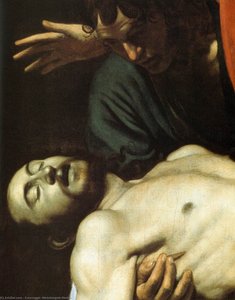
Caravaggio's "Entombment," painted in 1603-1604, stands as a pivotal work within the Baroque period and a testament to the artist’s revolutionary approach to religious painting. Commissioned for the chapel of Pietro Conti in Santa Prassede, Rome, this large canvas (300 x 203 cm) depicts the moment following Christ's crucifixion when his body is being lowered into the tomb. The scene is rendered with a raw realism and emotional intensity that was groundbreaking for its time, moving away from idealized depictions towards a more visceral portrayal of human grief and suffering.
The painting's composition is striking in its dramatic use of chiaroscuro – the stark contrast between light and shadow. Caravaggio masterfully employs this technique to draw the viewer’s eye directly to the central figures, highlighting their expressions of sorrow and anguish. The dark background serves to isolate the mourners, intensifying the emotional impact of the scene. Christ's body is positioned diagonally across the canvas, creating a sense of movement and instability that reflects the profound loss being depicted. The artist worked rapidly, often directly onto the canvas without preliminary sketches, resulting in a spontaneity and immediacy evident in the brushwork.
Created during the Counter-Reformation, "Entombment" was intended to inspire piety and devotion among viewers. The Catholic Church sought art that could effectively communicate religious narratives and evoke emotional responses. Caravaggio’s realistic portrayal of biblical figures resonated with audiences who were increasingly seeking a more personal connection to their faith. Symbolically, the painting is rich in meaning. The stone slab partially visible at the top right represents the seal placed over Christ's tomb, signifying his death and resurrection. The figures surrounding Christ – Nicodemus, Joseph of Arimathea, Mary Magdalene, and the Virgin Mary – represent different aspects of faith and mourning. Their gestures—Nicodemus’s careful handling of Christ’s body, Mary Magdalene’s grief-stricken gaze, and the Virgin's outstretched arms—convey a profound sense of loss and reverence.
What truly distinguishes "Entombment" is its ability to evoke a powerful emotional response in the viewer. Caravaggio doesn’t shy away from depicting the raw, unfiltered grief of those present at Christ's entombment. The faces are contorted with sorrow, and their bodies seem burdened by the weight of their loss. This psychological realism was unprecedented in art at the time and profoundly influenced subsequent generations of artists. The painting transcends a mere depiction of a biblical event; it becomes a universal meditation on mortality, faith, and the enduring power of human emotion.
"Entombment" is now housed within the Galleria Doria Pamphilj in Rome, Italy, continuing to captivate audiences with its dramatic intensity and artistic innovation. Caravaggio’s influence on Baroque art is undeniable, inspiring artists like Rubens and Rembrandt to explore similar themes of drama, realism, and emotional depth. The painting remains a powerful example of Caravaggio's genius and a cornerstone of Western art history.

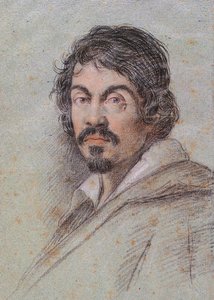
1571 - 1610 , Španija


Bodite na sešte, s najnovejšimi novicami iz sveta umetnosti, ekskluzivnimi ponudbami in idejami za dekoracijo.
Povejte nam o svojem projektu in naši strokovnjaki za umetnost vam bodo pripravili 3 prilagojene predloge umetniških del.
Naj vam izberemo 3 možnosti – popolnoma brezplačno!


 Predogled
 Pošlji
 Deli
Deli
 Podrobnosti o delu

 Prenesi
 Podobni izdelki
 Rentgenski posnetek
 Predvajaj diaporama
 Razviljaj več