x

 Olje na platnuStenska umetnostBaroque
 1593Renesanca
 67.0 x 53.0 cm
 Galerija Borghese
Giclée ali platnati odtis muzejske kakovosti z hitro proizvodnjo in prilagodljivimi možnostmi končne obdelave. ( Kupi ročno naslikano sliko Kupi digitalno sliko)





























Izberite eno od naših vnaprej določenih velikosti, ki ustrezajo prvotnim proporcijam umetničkega dela.

Svoje dimenzije lahko vnesete sami, da bodo ustrezne za določen okvir ali prostor. Če izbrana velikost ne bo skladna z razmerji izvirne slike, bomo umetniško delo orezali ali podaljšali s pomočjo ogledalnega odraza ali barvno polnega roba. Pred začetkom proizvodnje vam bomo poslali digitalni predogled za potrditev.
Upoštevajte, da predogled na zaslonu ne prikazuje dejanskega orezovanja ali podaljševanja. Le digitalni predogled bo natančno prikazal končno kompozicijo.
Čeprav so na voljo prilagojene velikosti, priporočamo izbiro dimenzije s predhodno določenega seznama, da ohranite prvotna razmerja.
Globalna dostava () v 2 tednih namesto standardnih 4/5 tednov. (18 avgust)


Sick Bacchus
Velikost reprodukcije
Michelangelo Merisi da Caravaggio’s ‘Young Sick Bacchus,’ completed around 1593, stands as a cornerstone of Baroque art—a testament to his unparalleled ability to convey profound emotion through masterful realism. Housed in the Galleria Borghese in Rome, this painting transcends mere depiction; it delves into the human condition itself, capturing a moment of fragility and confronting viewers with an unflinching gaze.
Caravaggio’s genius resided not merely in his subject matter but also in his groundbreaking technique – chiaroscuro. Unlike Renaissance artists who favored subtle gradations of light, Caravaggio employed stark contrasts to sculpt the form and heighten emotional impact. Light emanates from an unseen source, illuminating Bacchus's face and torso while plunging the surrounding drapery into deep shadows. This dramatic effect wasn’t simply stylistic; it served as a powerful tool for conveying psychological depth.
'Young Sick Bacchus' is laden with symbolic meaning, reflecting Caravaggio’s preoccupation with mortality and human suffering. The grapes represent excess and indulgence, mirroring the artist’s own turbulent life—marked by violence and exile. However, beyond this biographical resonance lies a broader meditation on the human condition. The pallor of Bacchus’s skin serves as a visual metaphor for illness, prompting viewers to confront uncomfortable truths about vulnerability and decay.
Caravaggio's influence extended far beyond the confines of Rome, inspiring artists across Europe—including Rubens and Rembrandt—who adopted his dramatic chiaroscuro style. ‘Young Sick Bacchus’ remains an enduring masterpiece, captivating audiences with its unflinching realism and profound emotional resonance. It serves as a poignant reminder that art can transcend mere representation, capturing the essence of human experience in ways that continue to resonate centuries later.
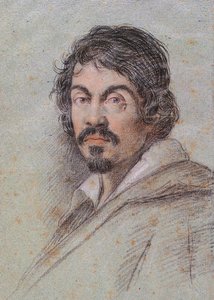
1571 - 1610 , Španija
Odkrijte 10 baročnih mojstrovine, ki so zaznamovale umetnost! Karavaggio, Bernini & Rubensovi deli v zgodovinskem kontekstu. Navdih za notranjost in reprodukcije slik na Most-Famous-Paintings.com. Raziskujte polno zbirko online!

Embark on a sophisticated journey through Italian Baroque art. Discover the dramatic interplay of light and emotion in Caravaggio’s masterpieces and explore how to bring this timeless grandeur into your collection with expert art insights.

Explore the revolutionary realism of Caravaggio! Discover his mastery of light & shadow (tenebrism), dramatic religious scenes, and lasting influence on Baroque art history. A comprehensive guide for art enthusiasts.

Explore the dramatic world of Baroque art! Discover iconic artists like Caravaggio & Rubens, defining techniques, and its lasting impact on art history. Expert insights for collectors & enthusiasts at Most-Famous-Paintings.

Explore the dramatic world of Baroque art! Discover iconic masters like Caravaggio & Rembrandt, their techniques, and the movement's lasting impact. Expert insights for collectors & enthusiasts at Most-Famous-Paintings.


Bodite na sešte, s najnovejšimi novicami iz sveta umetnosti, ekskluzivnimi ponudbami in idejami za dekoracijo.
Povejte nam o svojem projektu in naši strokovnjaki za umetnost vam bodo pripravili 3 prilagojene predloge umetniških del.
Naj vam izberemo 3 možnosti – popolnoma brezplačno!


 Predogled
 Pošlji
 Deli
Deli
 Podrobnosti o delu

 Prenesi
 Podobni izdelki
 Rentgenski posnetek
 Predvajaj diaporama
 Razviljaj več







 Možnost stekla je na voljo le za velikosti pod 110 cm