x

Giclée ali platnati odtis muzejske kakovosti z hitro proizvodnjo in prilagodljivimi možnostmi končne obdelave. ( Kupi ročno naslikano sliko Kupi digitalno sliko)





























Izberite eno od naših vnaprej določenih velikosti, ki ustrezajo prvotnim proporcijam umetničkega dela.

Svoje dimenzije lahko vnesete sami, da bodo ustrezne za določen okvir ali prostor. Če izbrana velikost ne bo skladna z razmerji izvirne slike, bomo umetniško delo orezali ali podaljšali s pomočjo ogledalnega odraza ali barvno polnega roba. Pred začetkom proizvodnje vam bomo poslali digitalni predogled za potrditev.
Upoštevajte, da predogled na zaslonu ne prikazuje dejanskega orezovanja ali podaljševanja. Le digitalni predogled bo natančno prikazal končno kompozicijo.
Čeprav so na voljo prilagojene velikosti, priporočamo izbiro dimenzije s predhodno določenega seznama, da ohranite prvotna razmerja.
Globalna dostava () v 2 tednih namesto standardnih 4/5 tednov. (18 avgust)


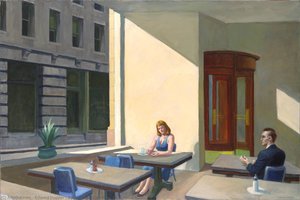
Compartment Car
Velikost reprodukcije
Edward Hopper’s “Compartment Car” (1931) is more than just a depiction of a train journey; it’s a meticulously crafted meditation on solitude, urban alienation, and the quiet dramas unfolding within the seemingly mundane moments of modern life. Painted during a period of significant social and technological change in America – the rise of railroads, increased urbanization, and the burgeoning sense of individual detachment – the painting resonates with a profound psychological depth that continues to captivate viewers nearly a century later. Hopper’s masterful use of light and shadow, combined with his precise observation of human form, elevates this scene into a powerful symbol of the anxieties and uncertainties inherent in the modern experience.
Hopper’s genius lies not merely in his technical skill but in his ability to manipulate light and shadow to evoke specific moods and emotions. The dim, diffused natural light filtering through the window creates a sense of mystery and melancholy, casting long shadows that obscure the faces of the other passengers and further emphasize the woman's isolation. This use of chiaroscuro – the dramatic contrast between light and dark – is a hallmark of Hopper’s style and contributes significantly to the painting’s evocative power. The subtle variations in tone create a sense of depth and atmosphere, drawing the viewer into the scene and inviting contemplation.
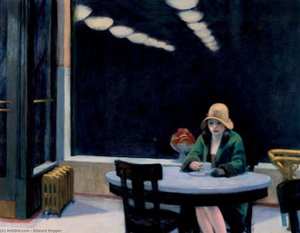
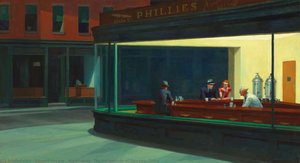
"Compartment Car" was created during a period of profound social and economic change in America. The rise of industrialization and urbanization had led to increased mobility and a growing sense of alienation, particularly among those who found themselves adrift in the impersonal landscape of modern cities. Hopper's paintings often reflected this mood of disillusionment and uncertainty, capturing the loneliness and isolation that many Americans felt despite their increasing connectedness through technological advancements. Hopper’s work aligns with the broader artistic movement of American Regionalism, which sought to depict the realities of everyday life in America, particularly in urban settings. His focus on ordinary subjects – a diner, a department store, a train compartment – elevated these scenes into powerful statements about the human condition.
“Compartment Car” continues to resonate with viewers today because it taps into universal themes of loneliness, introspection, and the search for meaning in a complex world. Hopper’s ability to capture such profound emotions through seemingly simple imagery is a testament to his artistic genius. This painting exemplifies Hopper's enduring legacy as one of America's most important 20th-century artists, whose work continues to provoke thought and inspire contemplation about the nature of modern life.

1931 - 1967 , Združene države Amerike

Explore the profound history and technical mastery of woodcut relief printing. From ancient origins to German Expressionism, discover how artists use the subtractive process to create iconic works. A definitive guide for art students, collectors, and historians.

Discover the technical mastery behind Most-Famous-Paintings.com's premium Giclée canvas prints. Our guide for elite collectors explores archival pigment inks, museum-grade substrates, and the science of high-fidelity reproduction to ensure lasting beauty and historical accuracy.


Bodite na sešte, s najnovejšimi novicami iz sveta umetnosti, ekskluzivnimi ponudbami in idejami za dekoracijo.
Povejte nam o svojem projektu in naši strokovnjaki za umetnost vam bodo pripravili 3 prilagojene predloge umetniških del.
Naj vam izberemo 3 možnosti – popolnoma brezplačno!


 Predogled
 Pošlji
 Deli
Deli
 Podrobnosti o delu

 Prenesi
 Podobni izdelki
 Rentgenski posnetek
 Predvajaj diaporama

 Razviljaj več







 Možnost stekla je na voljo le za velikosti pod 110 cm